
Image Source: Nilfanion – Ordnance Survey OpenData – CC BY-SA 3.0
There was something oddly disorientating about hearing the Islamic Revolutionary Guard Corps mention RAF Fairford last week.
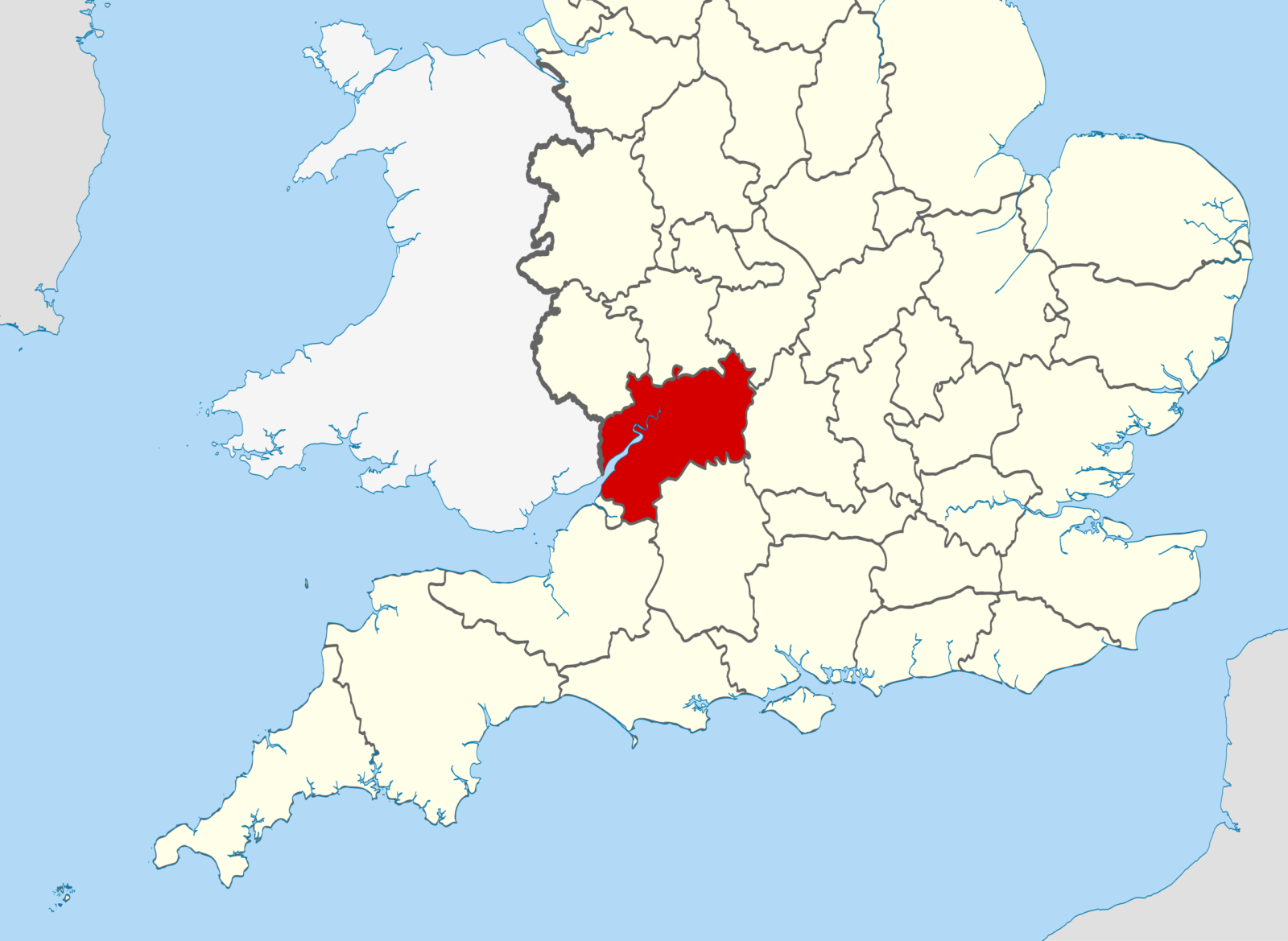
Fairford is hardly a place that intrudes on the world’s imagination. I spend Christmas not far from there. That is my only connection. Most people know it, if they know it at all, for the Royal International Air Tattoo, or as a sleepy corner of Gloucestershire surrounded by fields, stone villages and long, quiet roads.
Yet last week the IRGC, through Iran’s official news agency, declared that any military base used to launch attacks on Iran would be considered a “legitimate target”. It specifically named Fairford, claiming American B-1 bombers had flown missions against Iran from there.
The UK government insists it is simply maintaining the long-standing arrangement that allows US forces to operate from certain UK bases, while also maintaining that the UK is not itself participating in offensive operations against Iran. It is an increasingly fine distinction, particularly as Donald Trump continues to criticise European allies, including the UK, for not doing enough to support the United States.
Following the Iranian warning, ministers said the UK’s armed forces stood ready to defend the country and any military installations under threat. Whether Fairford is genuinely at risk is almost beside the point.
At around the same time, reports emerged that individuals linked to Iranian intelligence had attempted to enter the UK on small boats, with claims focusing on the IRGC’s Unit 700, the logistics branch that supports the Quds Force’s covert overseas operations. Some questioned why intelligence operatives would choose such a route rather than entering through more conventional means. Yet that objection is not conclusive. For much of the past decade, Iranians have consistently ranked among the largest national groups claiming asylum in the UK, meaning their presence among Channel crossings is not, in itself, evidence of intelligence activity.
Iran itself is an even harder place to contemplate. Only days ago the country endured sustained military operations and nightly strikes. For the past few nights, however, the skies have been markedly quieter, following an apparent pause in American bombing and a matching suspension of Iranian retaliation. Oil prices in their tipsy-turvy way have begun tumbling again. Whether this proves to be the beginning of renewed diplomacy or merely an operational lull remains profoundly uncertain.
Wars often do this. They do not merely grow. They become normal. What seemed extraordinary one week becomes routine the next. That is the nightmare for everyone involved.
Iran now appears caught in exactly that transition: from sporadic confrontation to sustained war. Even from afar, there is a growing sense that no one quite knows where to look.
In an interview with Christiane Amanpour, Tina Brown argued that “Trump has no one with him who remotely understands the Iranian mindset. The Iranians understand Trump far better than he understands them.” Others dispute that assessment, but the wider concern remains the same: miscalculation is becoming increasingly dangerous.
The intensity of the military campaign has eased, at least for now. After nearly two weeks of strikes, Washington paused further attacks, while Tehran indicated it would refrain from retaliatory operations so long as that pause continues. Neither side appears to regard the current calm as anything more than provisional.
Iran had responded earlier with missiles and drones directed at American and allied positions in Jordan, Kuwait, Bahrain and Iraq, while Iran-backed Houthi attacks had continued to disrupt shipping in the Red Sea as part of the so-called Axis of Resistance. All sides continue to make battlefield claims that cannot yet be independently verified.
Perhaps the most reliable measure of a war is not the number of missiles that fall, but the number of ordinary lives made smaller by it. Bridges are damaged. Electricity falters. Families are displaced. Independent reporting grows ever more difficult. Political prisoners disappear further from view. These quieter consequences have a terrible habit of outlasting the fighting itself.
Shipping insurance premiums have risen again, commercial vessels—where they can sail safely—continue to alter their routes, energy markets remain volatile, and governments across the region are preparing for a conflict that no one seems confident can still be contained.
International concern has intensified. The UN Secretary-General has warned the crisis is “getting out of control”, while governments across the Middle East have strengthened military preparedness and issued fresh travel advisories. Even Ukraine found itself accused at the weekend of attacking an Iranian vessel in the Caspian Sea—an allegation that, regardless of its accuracy, illustrates how quickly the conflict is spilling into new diplomatic and strategic arenas.
Inside Iran itself, attention has turned to the country’s leadership. The principal uncertainty surrounds Supreme Leader Mojtaba Khamenei, who was seriously injured earlier in the war and has yet to make a public appearance or broadcast. President Masoud Pezeshkian has said communication with him is increasing, but his prolonged absence has only reinforced the perception that the Islamic Revolutionary Guard Corps is exercising greater influence over wartime decision-making.
Diplomatic contacts continue through regional intermediaries, but they have produced no durable breakthrough. Iranian officials have participated in mediation while publicly rejecting American pressure, and the renewed exchange of attacks suggests the previous interim ceasefire has effectively collapsed.
Iran has also accused Steve Witkoff and Jared Kushner of exploiting confidential information obtained during the US-Iran negotiations to profit from market movements during the conflict. The White House strongly denied the allegation, and no independent evidence has yet emerged to substantiate it.
An Iranian Health Ministry official has reported 53 civilians killed and 592 wounded since late June, although those totals cannot yet be independently verified. Damage to bridges, electricity infrastructure and other essential services is increasing the risks faced by civilians, while the United Nations has expressed concern about attacks on civilian infrastructure across the region. Human rights organisations also warn that wartime conditions are enabling intensified repression, arbitrary detention and greater risks for political prisoners.
The broader conflict has reportedly killed thousands—primarily in Iran and Lebanon—and displaced millions since February. Those figures continue to rise as the fighting spreads.
For the moment, there is an unfamiliar quiet. The explosions that dominated recent nights have given way to anxious waiting. Yet pauses in war are not always signs that peace is approaching. Sometimes they are simply the interval in which governments rearm, reassess and decide what comes next.
Whether or not another B-1 bomber ever leaves RAF Fairford for Iran is, in some ways, the least important part of the story. What matters is that an English airfield now occupies a place in the mental geography of a Middle Eastern conflict whose future remains uncertain.
For those living in Iran, the recent quiet offers relief rather than reassurance. Homes remain damaged, families remain displaced, political prisoners remain hidden from view, and no one can say with confidence whether this pause marks the beginning of diplomacy or simply the calm before another round of fighting. That, more than the movement of aircraft or the drawing of military maps, remains the true measure of the conflict.
