
[ad_1]
The leader of a major nation decided to launch an assault on the Islamic Republic of Iran after observing its recent bouts of internal disorder. That leader, backed by pliant and corrupt political elites largely drawn from his own social circles, didn’t seem to have given much thought to strategy or tactics; his plan was just to project overwhelming force into Iranian territory and wait for the regime to collapse. He was surprised to encounter a foe who fought back with ferocity, ingenuity, and unexpectedly sophisticated technical capabilities. And he was dismayed to discover that rather than undermining the ayatollahs’ political position, his attack had strengthened their grip on power.
What followed was a period of indecisive war, including several failed attempts to negotiate a lasting ceasefire. Unsurprisingly, multilateral bodies like the UN proved powerless to broker an end to the fighting, in large part because neither the aggressor nor the defender was an especially well-liked member of the international community. As time went on, the leader who had launched this war dialed up the domestic propaganda to bolster sagging morale, and began complaining bitterly about his erstwhile allies’ failure to come to his country’s aid. He was persistently surprised by the failure of positive thinking to affect the course of the conflict, and mounting battlefield losses fueled paranoia and political repression at home.
But Iran was a tough nut to crack. The enemy’s rugged terrain made serious ground operations difficult. Efforts to encourage uprisings among Iran’s ethnic minorities ran aground on the transparent cynicism of the move and the bad blood years that years of aggressive foreign policy had engendered in the neighborhood. Nobody wanted to be cannon fodder for this cause.
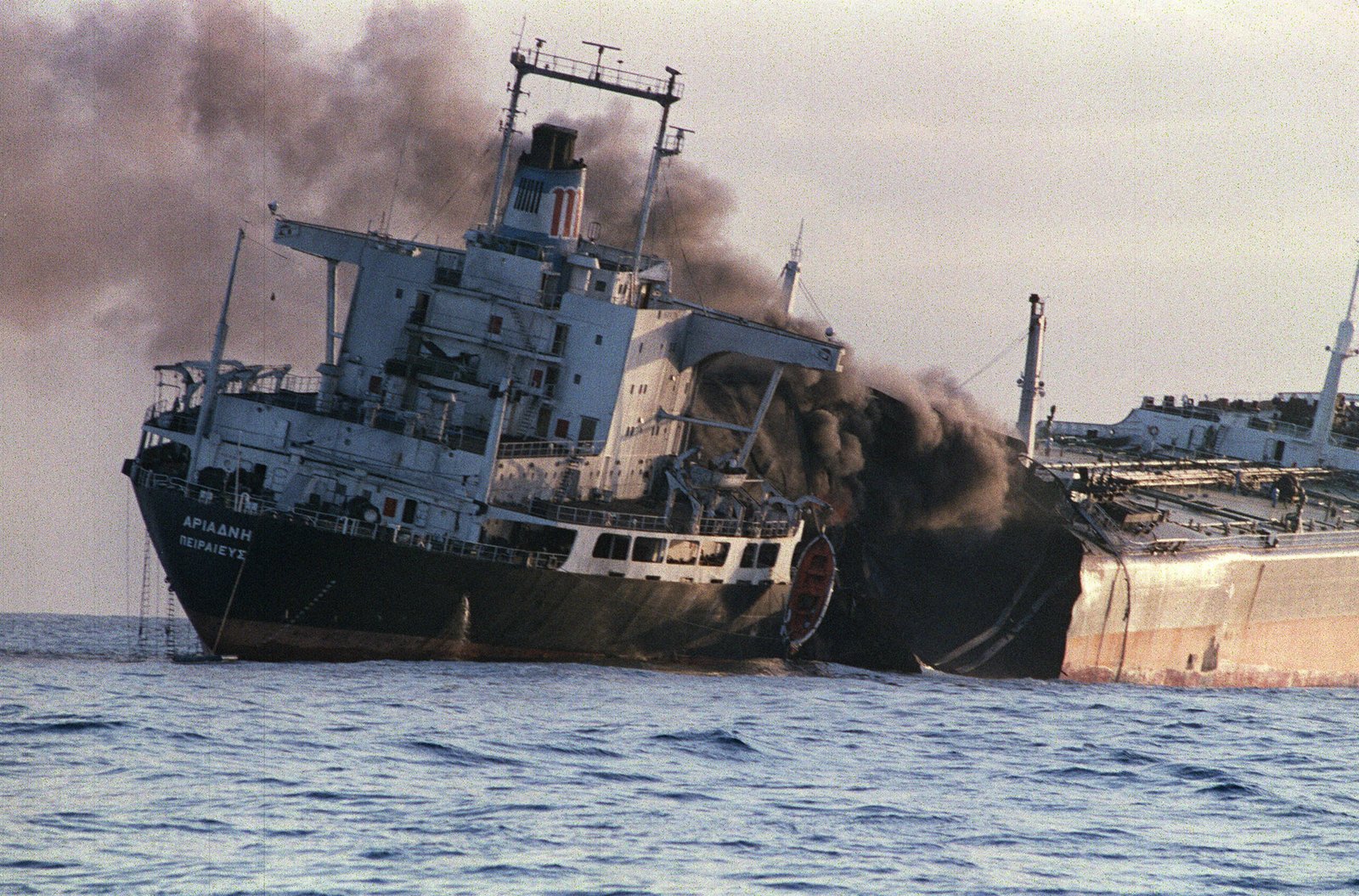
To break the military impasse, the aggressor committed ever more resources to the war effort—mostly by floating debt—and tried to restrict Iranian sea traffic through the Strait of Hormuz while ensuring its own cargoes could pass unmolested. Escalating attacks on Iranian civilian infrastructure failed to weaken the Islamic Republic’s resolve, instead provoking damaging retaliation.
Eventually, both sides, worn out by war, concluded a hollow peace that more or less returned things to the status quo antebellum. The ayatollahs were still in power and still running a pariah state. Iran, though badly mauled, retained both its sovereignty and its regional clout, and was hardly friendlier than it had been before the war. The aggressor nation, which some judged to be the technical victor on points, had failed to achieve anything resembling a decisive win. Its leader felt cheated of the gains in prestige and booty he had confidently projected at the war’s outset. In fact, the situation was rather dismal; his economy was floundering, and the nation was exhausted. He did, however, have a hypertrophic and technically triumphant military. So he made the natural next move: invade another neighbor (this one smaller and weaker) to refill the treasury and win some unambiguous martial glory.
Subscribe Today
Get daily emails in your inbox
This, it turned out, was not a very good idea. A distant global superpower, which had played only a marginal and ambivalent role in the war with Iran, deemed this invasion a bridge too far. Citing the dangers posed to the international system, it intervened ruthlessly and decisively to crush this chronic aggressor. Having alienated most of the global community, this nation faced the superpower bereft of friends and with little chance of prevailing against a vastly more populous, organized, and technologically advanced adversary. Defeat was swift, humiliating, and complete; the consequence was a long and unhappy decline in the vanquished nation’s fortunes.
What’s that? Trump? Cuba? China? What are you talking about? This is the story of Saddam Hussein and the Iran–Iraq War, Hussein’s subsequent invasion of Kuwait, and the reckoning he faced in the First Gulf War.
What did you think this column was about?
[ad_2]
Source link
