
[ad_1]
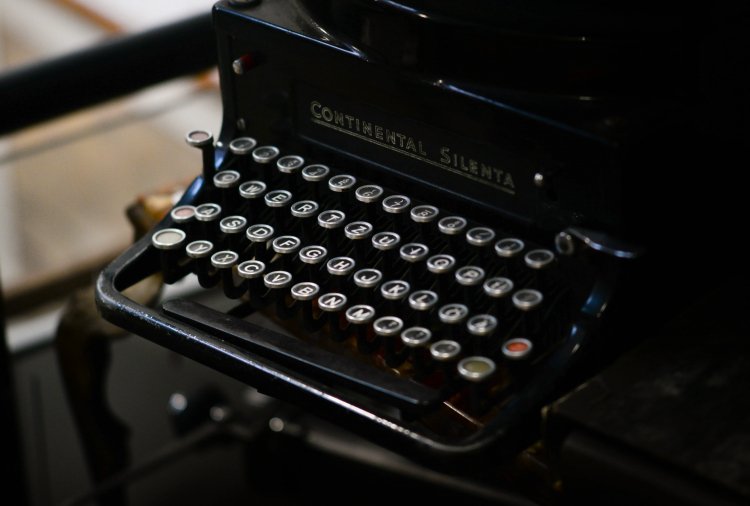
Long before a single shot was fired at Lexington or Concord, a revolution was already underway. It was waged with ink rather than arms. As America prepares to mark the 250th anniversary of its independence, it is worth honoring the force that made that independence imaginable: the colonial press.
Long before the Declaration of Independence was signed, the concept of American independence had to be imagined, argued, circulated, and defended. That did not occur in hushed conversations. It took place in newspapers and pamphlets, broadsides and printed sermons that transported ideas from town to town and colony to colony. The colonial press prepared the ground for self-government, educating citizens, questioning authority, and allowing for a shared language of liberty that shaped the American people.
Early American journalism had none of the protections that Americans now associate with the First Amendment. Colonial governors and British authorities worked to repress dissent. They threatened printers, denied government printing contracts, prosecuted the press for seditious libel, or coerced their critics into silence. The law regarded criticism of public officials not as a democratic imperative, but as a danger to public order.
But the colonial presses persisted, and it was central to the American story. Printers and publishers helped scattered colonies rally around shared grievances. A protest in Boston, a legislative resolution in Virginia, a boycott in New York, or an essay in Pennsylvania were printed and distributed across the colonies. As a result, Americans began to see themselves as not just residents of distinct provinces but as participants in a joint cause, thereby creating an American identity before there was an American nation.
The Declaration of Independence stands as the most powerful example of this dynamic. It was not merely adopted – it was printed, distributed, and read aloud in town squares from Massachusetts to Georgia. Its words became revolutionary precisely because they were circulated throughout the colonies. By bringing the Declaration to a national audience, the press transformed a congressional resolution into a seminal statement of American purpose, giving the founding document the public force it needed to matter.
The colonial press was imperfect, often partisan and combative. But its energy reflected a deeper principle: that free people must be able to question their leaders. No society striving toward self-government is genuine if it simply follows the official positions of its rulers. It requires independent journalists and publishers willing not only to question power, but to amplify the voices of ordinary citizens, giving the public a means to be heard, not just governed.
America’s 250th anniversary should not only be a commemoration of 1776. It ought to be a renewal of the values that enabled 1776 to happen. Among those values, freedom of the press occupies a prominent position in our collective history. That is what the Fallen Journalists Memorial represents. Authorized by Congress and President Trump, the memorial will be situated at the National Mall, steps away from each of the three branches of government, underscoring the essential and independent role that journalists play in holding those institutions accountable to the people. It will honor those lost and remind every visitor that press freedom is not an abstraction. It is a principle championed by real people, sometimes at the cost of their lives.
We don’t have to wait to put those values into practice. As the U.S. marks 250 years of American independence, it is also marking 250 years of the work to keep the press free, a struggle the colonial printers began and that journalists carry forward today.
Barbara Cochran, a former journalist and professor, is president of the Fallen Journalists Memorial Foundation.
[ad_2]
Source link
