
[ad_1]
When the Senate passed the 21st Century ROAD to Housing Act earlier this year, my stated view was that the bill was, like many bipartisan pieces of legislation, imperfect. The challenge in a deeply divided Washington is always whether “perfect will be made the enemy of the good,” and by extension, getting lawmakers to take a shot at a legislative solution to big problems. In a rare show of legislative hustle, Speaker Mike Johnson brought an amended version of ROAD to the floor, and it passed. The House version is simply better than the Senate bill – not perfect – but more deserving of the Senate’s support and President Trump’s signature.
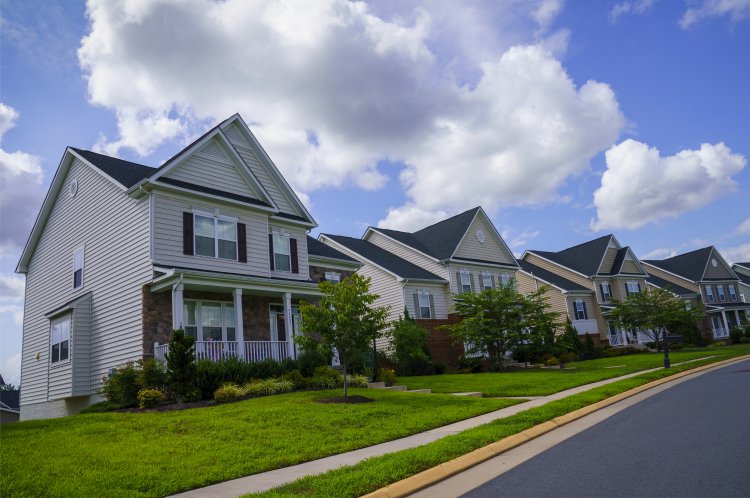
The shortage of available homes in America is driving significant discontent among voters, and the consequences of young people lacking hope of owning a home are quite shocking. Research has shown that Americans link “the value of hard work” to homeownership. Those who give up and embrace perpetual renting also gamble at higher rates, engage in frivolous consumer spending, and harbor skepticism about the merits of the stock market.
Despair over the housing issue is cascading into every other part of American life.
The U.S. has 146 million homes, according to the latest Census Bureau data, and 8.1 million are “doubled-up” units where residents are sharing homes with non-relatives. Assuming polls are correct, and half of those families want their own place, something has to change. Regulations are one of the primary targets of the ROAD to Housing Act, as are incentives to build, faster infill housing approval processes, and a program to convert abandoned structures into housing.
The most divisive plank of the bill, a build-to-rent forced-sale requirement, was eliminated. Housing industry analysts and consumer groups were concerned that the construction of rental units would plummet needlessly – and plenty of Americans prefer to rent rather than own.
At the heart of America’s housing crunch is too much rulemaking that says “No” and not enough “Yes,” which is why the rental provision is so counterproductive. Unleashing homebuilding means allowing more of everything.
Outside of Congress, the Trump administration has obviously looked at its goals around reshoring manufacturing and building millions of homes, and realized that the steel tariff regime was setting both efforts up for failure. Donald Trump signed a proclamation to slash tariffs on steel, aluminum, and copper imports, with carveouts for forklifts and residential HVAC systems.
There is no getting around the fact that home construction accounts for 47% of steel consumption. The Joint Economic Committee in the House determined that these specific tariffs were adding at least $10,900 to the cost of every new home built. Copper is used for pipes, steel for framing, and aluminum for roofing and siding.
It’s not surprising that as momentum builds in Congress toward passing the ROAD to Housing Act, the White House is restructuring its tariffs, which inflate construction costs that are then passed on to families.
There is no more time to be wasted, and no more patience left among Americans for inaction on housing. The Senate has two weeks before its next recess, and the most controversial part of the package that gave Republicans heartburn is now gone. At some point, the absence of an excuse becomes its own answer. Time to pass the bill.
[ad_2]
Source link
