
[ad_1]
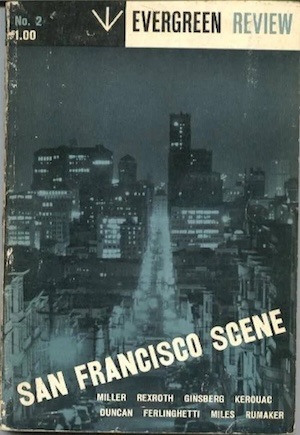
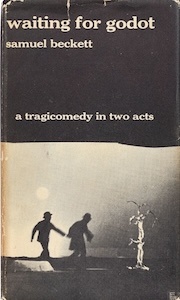
In the fall of 1957, I began visiting the student bookstore at the University of Missouri where the table with books of the Beat Generation, buoyed by the victory in San Francisco from the Howl trial, changed the course of my life. I purchased Allen Ginsberg’s Howl and Other Poems, mostly because of me scanning the introduction by William Carlos Williams. That day I also purchased some issues of “Evergreen Review,” (especially the one about the San Francisco Renaissance), and Samuel Beckett’s “Waiting for Godot.
My experience at the MU bookstore helped make me obsessed with bookstores and I began to spend as much time as I could savoring their sacredness.
In my own life, reading “Howl” was an epochal event. It was to me at 18 what Poe had been at 15, except that Ginsberg was an energizer whereas Poe tended to calm one down. I instantly sensed that the Beats were urging us onto an intoxicating mix of spontaneity and scholarship, and not to be afraid to experiment both in our lives and in our art.
When I returned to my hometown on weekends, I would chant whole sections of “Howl” to my drinking buddies as we drove aimlessly around at midnight drinking beer, an experience described in “A Book of Verse” in Tales of Beatnik Glory, Volume I.
The house in which I had been raised was next to a farm, with cows and even a bull that tended to gather along the fencerow by our lawn. On visits home from college, I would literally shout-scream sections of “Howl” at the cows and bulls as I danced back and forth in front of them.
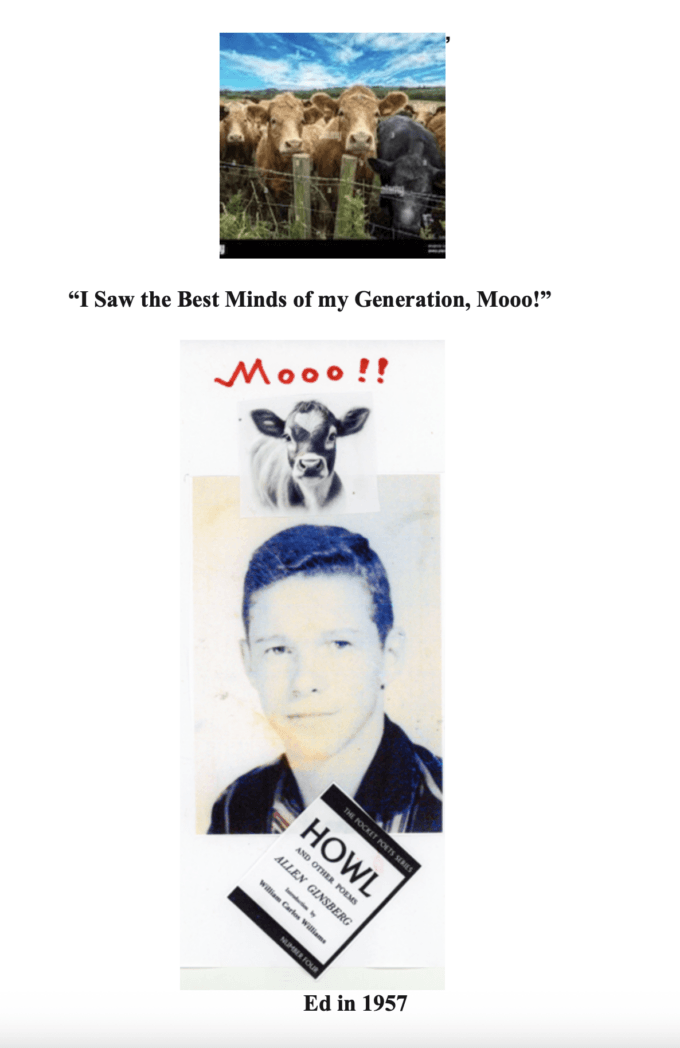
My boyhood home on Cemetery Hill in Blue Springs, Missouri was located next to a farm, and there were cows and even a bull that hung out against a fence right on our property line. I was so excited by “Howl” that on visits home from Missouri University, I strode out near the fence and shouted out lines from the poem to the cows and bull:
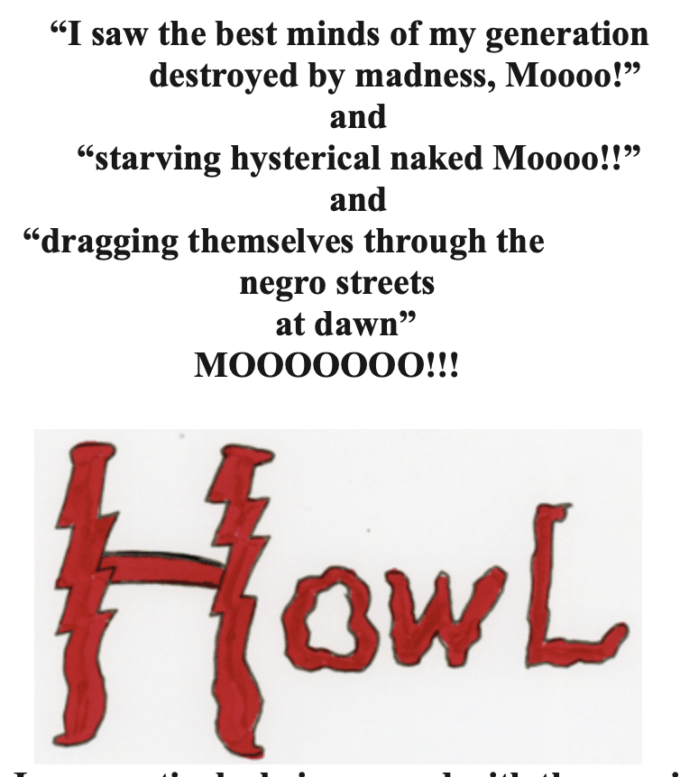
I was particularly impressed with the opening words, “I saw the best minds of my generation…” and when I hitchhiked the next year to New York City to attend NYU, I was determined to get to know some of “The Best Minds of my Generation.”
Within a few years, I managed to meet my hero
Allen Ginsberg, and others of his friends, including Gregory Corso, Jack Kerouac and William Burroughs and had begun having mybooks of poetry published….
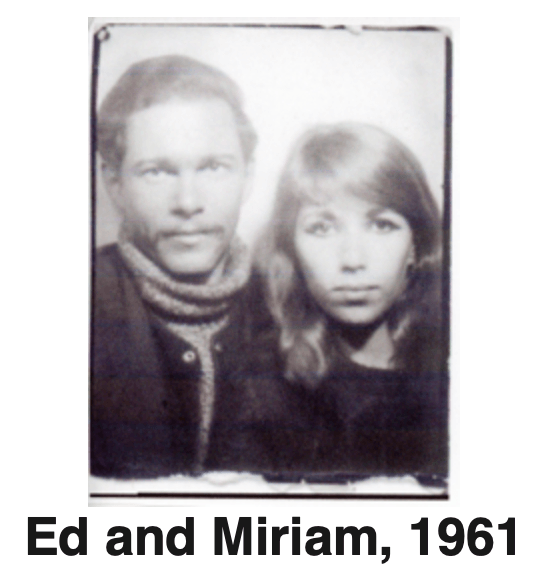
But first I met a girl in Beginning Greek
named Miriam, and we began to meet after class
and date.One day we were walking through Washington
Square Park and I said to Miriam, “I guess
we’ll have to join the Beat Generation.”“What’s that?” she replied, the answer to which
we fully learned during the next decades.
[ad_2]
Source link
