
[ad_1]
The U.S. and Iran exchanged strikes overnight into Monday for the first time since late July. The escalation centered on the Strait of Hormuz, the critical trade chokepoint that Iran effectively closed shortly after the war began.
U.S. Central Command said it had struck launchers and troops on Larak Island as the Iranian military prepared to fire naval mines into the strait. Iran retaliated by firing missiles and drones at bases in Jordan and the United Arab Emirates that host U.S. military personnel. Jordan said it had intercepted all incoming fire, while the UAE said it had “responded to” a drone attack.
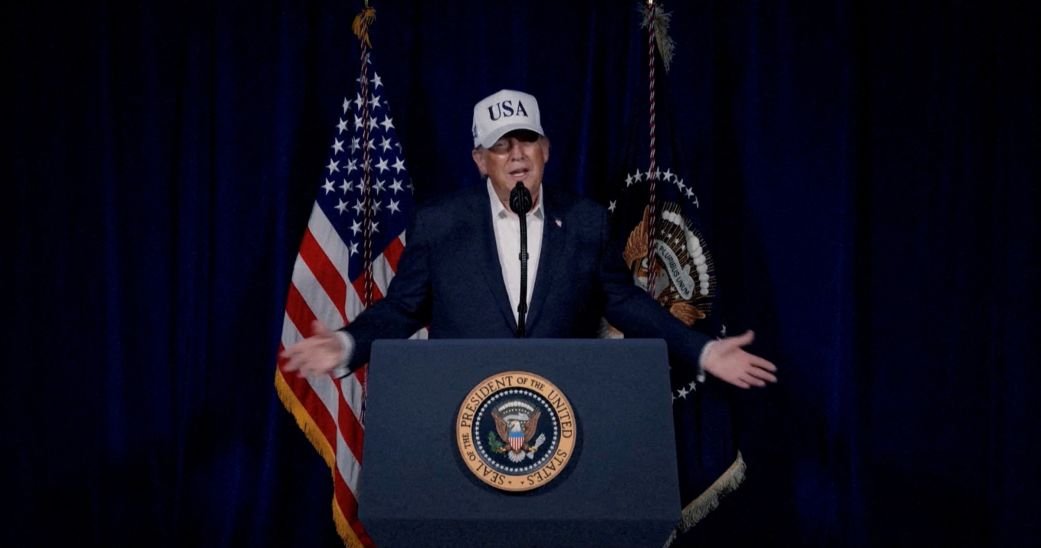
President Donald Trump told Fox News the U.S. would respond forcefully to the Iranian strikes. “We’re going to hit them hard,” Trump said Monday.
Each side accused the other of aggression. Iran’s foreign ministry said the U.S. attack had violated its national sovereignty and caused civilian casualties.
Subscribe Today
Get daily emails in your inbox
Oil prices rose following the strikes, with the price of Brent crude jumping Monday over three percent, back above $90 a barrel, after falling last week.
The exchange of fire came days after the six-month mark of a war that Trump, analysts say, had expected to be much shorter. Amid the recent pause in direct hostilities, the U.S. had developed a new strategy of further strangling the Iranian economy while helping ships transit the Strait of Hormuz.
The national average price of gasoline is $4.08 per gallon, AAA reported Monday. That’s up from $2.98 on the eve of the war.
[ad_2]
Source link
