
Last week I wrote about the possibilities of genetically engineering humans. The quickie version is this – we are already using genetic engineering (CRISPR) for somatic changes to treat diseases, and other applications are likely to follow. Engineering germline cells, which would get into the human gene pool, are legally and ethically fraught, but it’s hard to predict how this will play out. I have also written often about genetically engineering food. I think this is a great technology with many powerful applications, but it should be, and largely is, highly regulated to make sure that anything that gets into the human food chain is safe.
I haven’t written as much about genetically engineering pets, and this is likely to be the lowest hanging fruit. That is because pets are neither food nor are they a human medical intervention. But that does not mean they are not regulated – they are regulated in the US under the FDA and USDA. Genetic engineering is treated as an animal drug, and must be deemed safe to the animals being engineered. The USDA also can regulate engineered plants and animals to make sure they do not pose any risk to the environment, humans, or livestock. This makes sense. We would not want, for example, to allow a company to release a genetically engineered bee, pest, or predator into the environment without proper oversight.
Pets, as a category, are domesticated, are not intended to be used as food, nor are they intended to be released into the wild. I say “intended” because pets can become food for predators, and they can escape or be released into the wild, and even become feral. But these contingencies are much easier to prevent than with food or wild plants or animals. For example, if you get a rescue pet, it has likely already automatically been spade or neutered. One easy way to reduce risk would be to make any GE pet sterile, which is likely what the company would want to do anyway to prevent violation of their patents through breeding. In short, it seems that reasonable regulatory hurdles should not be a major problem for any effort to commercialize GE pets.
Unsurprisingly there are companies already working on this. One company, the Los Angeles Project, is working on making rabbits that glow in the dark. This is actually pretty easy (I bought some glow-in-the-dark petunias last year), as we already have isolated genes for green fluorescent protein and have put them in many types of plants and animals. Another company, Rejuvenate Bio, researches genetic treatments for chronic diseases in humans. This, of course, involves a lot of animal research, so they are also developing these treatments for pets, to increase their health and lifespan. Scoutbio is another company working on gene therapies for disease, but they are focusing on treatments for adults. There are also pet cloning companies, which is not the same thing, but there is a lot of overlap in this technology and it is not a big leap to start tweaking those embryos.
So where is all this likely to lead? First, I think GE pets will happen a lot faster than GE humans, because the ethical and therefore legal bar is likely to be a lot lower. What kinds of modifications are we likely to see? Some we will see simply because it is already possible to do, like the green fluorescent rabbits. We are doing it because we can. But as the tech evolves we can see pets with much longer lifespans. That raises an interesting question – how long would you want your dog or cat to live? Most people I talk to feel that 10-15 years for dogs and 15-20 years for cats is too short. I have owned many pets, and their brief lives always seem to go by too quickly. But at the other end of the spectrum I have also known people who own parrots, which is a lifelong commitment. Also, even though the loss of a pet can be heart-wrenching, you then get to experience a new kind of pet with their own personality and go through the puppy phase again. I also wonder how difficult it would be to lose a beloved pet you owned for 30 years, say. How much harder would that be? There is a sweet spot in there somewhere, perhaps 20-30 years. In any case, it would be interesting to be able to choose the longevity of your pet. And of course, it would be great to reduce the many chronic illnesses that plague our pets.
One other difference between pets and humans is that we have already, through conventional breeding, significantly altered our pets, especially dogs. Just think of all the different dog breeds. Some of them, I would argue, are unethical, like making dog breeds that have difficulty breathing. I seriously think that the institutions that regulate purebred dogs should place a much higher priority on the overall health of any recognized breeds, and not formally recognize any breeds with inherent health problems. It may be too late for this, but that would happen in my perfect world. In fact, genetically engineering pets may improve their overall health and happiness. The compromises that come with breeding cute traits may not be necessary with the power of genetic engineering. We could engineer new traits into baseline healthy and outbred populations, and would not have to use severe genetic restriction to create these extreme breeds.
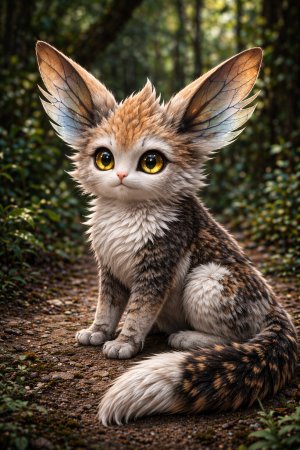
And of course genetic engineering could create pets that would not otherwise exist. Superficial traits, like eye color and coat pattern, should be easy. Do you want a long hair, short, or wire hair? What color? Short or long tail, straight or curly? Floppy ears or pointy? Non-shedding and hypoallergenic are a must. It would also be possible to engineer their personality – easy to train, family friendly, never bites, etc. We are not far from the age of designer pets. We could also go outside the bounds of existing traits, to make exotic even mythical-seeming pets. This starts to get trickier the more ambitious we get, but is within the realm of possibility.
We could also use genetic engineering to domesticate species that would be difficult to impossible to turn into pets through breeding alone. Most people by now know about the Russian silver foxes bred to be friendly and tame. There is still some controversy about the research – how domesticated are they and did they already have some traits before breeding? But regardless, they do not make good pets. They are difficult to train (they pee everywhere), are destructive, and are very high maintenance. But, with some targeted genetic engineering, it would be easier to give them all the traits we love in dogs, for example. We could do the same possibly with racoons and many other species – GE away their problematic traits and make them easy pets. This starts to get into trickier ethical territory, but at least I would argue that fully domesticating a population of wild animal through genetic engineering is ethically no different than doing it through breeding.
It seems very likely that all of this will happen eventually, with the main question being the timeline. Personally, I have no problem with it, and have to admit I would love an exotic pet – as long as it is properly regulated with the welfare of the animals being adequately considered. In fact, I would like to see a higher standard than currently exists for traditional animal breeding.
My final question, however, is what will eventually be more popular – GE pets or robotic pets. There are interesting arguments to be made for both, and perhaps people will have both, in different contexts and for different purposes. If you could have one or the other right now, in a mature form of the technology (say from 200 years from now), which would you pick? Maybe it won’t matter much because the technologies will both converge on your perfect pet.
