
[ad_1]
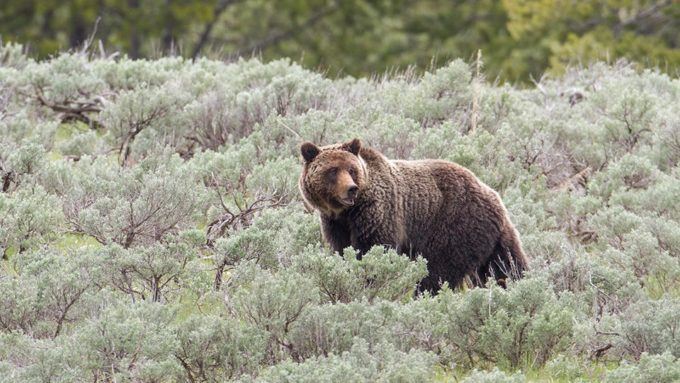
Grizzly in Yellowstone. Photo: NPS / Jim Peaco.
Grizzly bears were put on the Endangered Species List in 1975 — 51 years ago. They will not be recovered until bears from the Northern Continental Divide and the Greater Yellowstone Ecosystem can connect to provide crucial genetic exchange to prevent irreversible inbreeding. Yet, despite having a legal mandate to recover the species, the Forest Service continues to log, burn, and build roads in critical connectivity corridors.
The Larabee Hat logging and burning project is located in just such a critical wildlife corridor and will destroy the secure habitat grizzlies require for survival. That’s why the Alliance for the Wild Rockies, Native Ecosystems Council, and Council on Wildlife and Fish is challenging the project in federal court.
The deforestation is planned on the Helena Ranger District running from the Continental Divide headwaters of the Little Blackfoot River to Elliston, Montana. The project encompasses 43,158 acres (67 square miles) and would bulldoze 16.8 miles of new roads to log 17,696 acres, including 3,120 acres of clearcuts, 706 acres of non-commercial logging and 13,791 acres of intentional burning.
These “landscape scale” projects, which the Forest Service is conducting across the West, seriously impact a number of threatened and endangered species, including grizzly bears, which cannot recover without secure habitat. Yet the US Fish and Wildlife Service and the Helena-Lewis and Clark National Forest secretly decided to shrink the longstanding definition of grizzly bear secure habitat without telling the public or providing opportunity for review and comment.
For decades, science has established that secure habitat patches must be at least 2,500 acres in size and at least 1/3 of a mile from a road to give an individual female grizzly adequate space to safely forage for 24-48 hours without crossing or venturing near motorized routes since most grizzlies are killed within 1/3 mile of roads
We won a court case next to Yellowstone National Park on a similar issue last year in which these same federal agencies tried to shrink the definition of secure habitat for grizzlies to 10 acres. The Court ruling was very clear: “In relying on a 10-acre patch size to define grizzly bear secure habitat in the absence of any scientific evidence showing that such acreage provides adequate habitat, the Fish and Wildlife Service failed to use the best available science in violation of the Endangered Species Act,” adding “grizzly bears in other ecosystems have been found to need upwards of 2,500 acres of secure habitat.”
Administratively changing what qualifies as secure grizzly habitat doesn’t actually make more secure habitat for grizzlies. A one-acre island of forest surrounded by roads is a death trap for a bear trying to survive. But It makes it easier for the Forest Service to approve more logging and roads, but the law doesn’t allow it and we are not afraid to say “no” to the federal government.
The cumulative impacts of this project would be devastating to wildlife, wildlife habitat, native plants, and aquatic species. Moreover, Trump does not allow the Forest Service to even acknowledge climate change, let alone the cascading impacts from heat and extreme drought which may preclude these forests ever regenerating.
In short, we stopped this charade before and we intend to stop it again by forcing the Forest Service to follow the law, just like the rest of us.
It is neither cheap nor easy to sue the federal government. Please consider making a donation to the Alliance for the Wild Rockies to force the Trump administration follow the law. Please also consider donating to Counterpunch to keep readers informed about what our government is doing to our public lands.
[ad_2]
Source link
