
The U.S. weighed options to address the possibility of a prolonged closure of the Strait of Hormuz as the Iran War ceasefire entered its 22nd day Wednesday.
NBC reported Wednesday, citing an anonymous U.S. official, that the White House discussed options during Monday’s meeting in the Situation Room. Deliberations included whether the U.S. military presence in the strait should increase or decrease, and whether the U.S. should launch renewed operations there.
President Donald Trump posted on Truth Social Wednesday morning that Iran “can’t get their act together,” adding that “they better get smart soon!”
Trump reportedly met with oil executives at the White House on Tuesday to discuss the potential for a prolonged closure of the Strait of Hormuz. According to Axios, White House Chief of Staff Susie Wiles, Treasury Secretary Scott Bessent, and U.S. envoys Steve Witkoff and Jared Kushner were also present. The White House confirmed the event to Fox News Wednesday morning and said that topics discussed included domestic production, Venezuela, oil futures, natural gas, and shipping.
Shipping tracking data posted to X by an analyst for the trade intelligence platform Kpler show there has been no improvement in Hormuz flows since the ceasefire took effect.
Iran has set the U.S. lifting its naval blockade as a condition for opening the Strait of Hormuz.
The price of Brent crude oil rose to $117 on Wednesday morning while gas prices continued to climb. AAA reported the national average price of gas at $4.23.
In a post on Truth Social Tuesday directed at Germany’s Chancellor Friedrich Merz, Trump said that Merz “thinks it’s OK for Iran to have a Nuclear Weapon,” adding “no wonder Germany is doing so poorly, both Economically, and otherwise!” His post comes after Merz said on Monday that the U.S. is being “humiliated” by Iranian leaders.
Subscribe Today
Get daily emails in your inbox
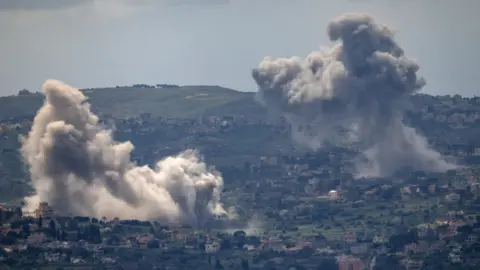
An Israeli double-tap strike on a building in southern Lebanon killed five people Tuesday, including three Lebanese Civil Defense rescue workers who had responded to the first strike, Lebanese officials said. The country’s prime minister called the attack a “war crime.”
The IDF said that Hezbollah fired two rockets at Israel on Wednesday.
Since March 2, more than 2,500 people have been killed in Lebanon, according to the Lebanese Health Ministry. Over that same period of time, two civilians have been killed by Hezbollah attacks in Israel, while 16 Israeli soldiers and one Israeli civilian have been killed in Lebanon, Israeli authorities say.
