
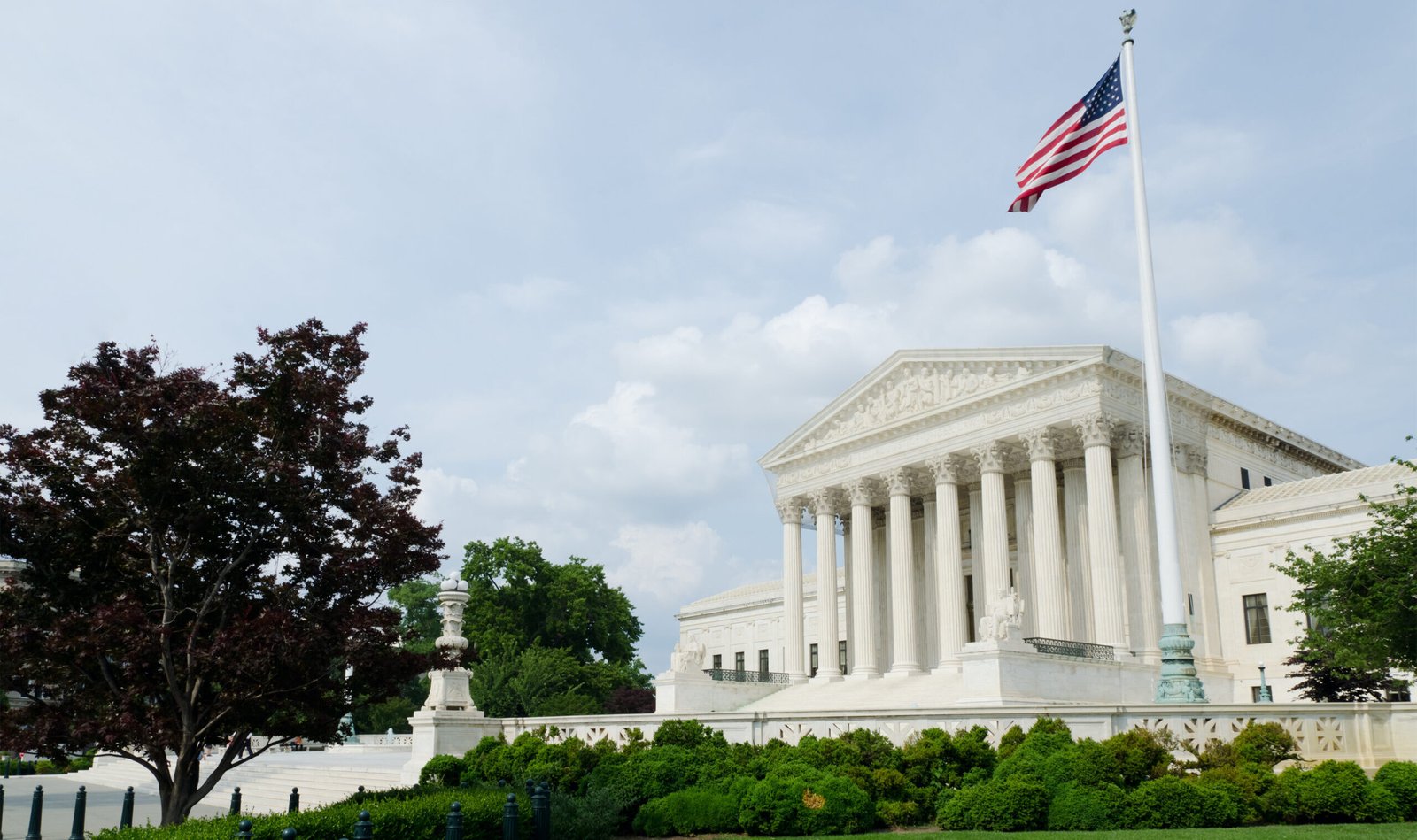
The Supreme Court ruled Wednesday in Louisiana v. Callais that Louisiana had unconstitutionally added a second black-majority congressional district, and struck down its map as a racial gerrymander. In 2024, Louisiana had been forced to add this district due to a lower court ruling.
Subscribe Today
Get daily emails in your inbox
The 6–3 ruling split between the court’s conservative and liberal blocs. Associate Justice Samuel Alito penned the opinion, which represents a shift in the interpretation of Section 2 of Voting Rights Act of 1965, which made gerrymandering to dilute minority political representation illegal. The Supreme Court ruled that, while compliance with VRA can be a compelling state interest, it does not impose a liability that requires states to engage in racial gerrymandering, as it ruled Louisiana had done.
While the decision narrowed the interpretation of Section 2 of the VRA, it did not rule the provision to be unconstitutional, which some had anticipated.
The immediate impact of the decision is likely to shift Louisiana from containing a congressional delegation of four Republicans and two Democrats to one of five Republicans and one Democrat. The ruling is likely to also have an impact on the congressional maps of other states, particularly in the South.
