
[ad_1]

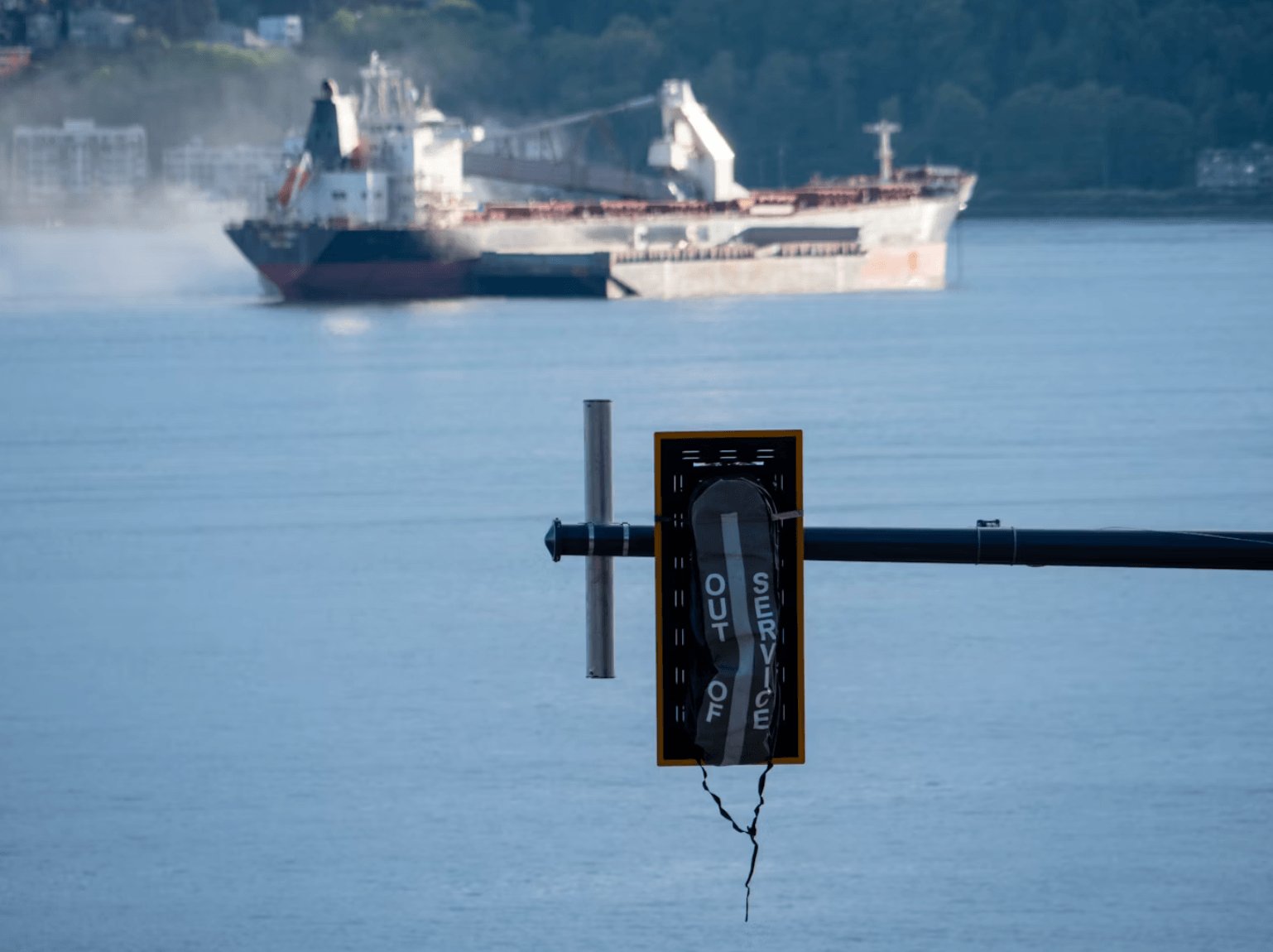
Photo by Theo Bickel
After having accused five Chinese refineries of buying Iranian oil, the US Treasury on 24 April put them on its ever-growing list of sanctioned companies. On the face of it, routine enough. For decades Washington has asserted the right to decide who can trade with the rest of the world, and everyone else has acquiesced to its diktats for fear of being shut out of an international financial system tethered to the dollar.
But this time it didn’t go according to plan. Beijing, which had previously limited itself to verbal protests and discreet workarounds, rejected the sanctions and announced that Chinese courts would prosecute any company that complied with them. In justified its stance by citing the need to ‘safeguard the country’s sovereignty, security and development interests’. In other words: to prevent US sanctions from disrupting energy flows that have become essential to the regional economy.
The targeted refineries supply several countries with petrol and jet fuel. Blacklisting them would weaken the supply chains of a continent that functions as one vast integrated production system: Gulf hydrocarbons, Chinese and South Korean components, Vietnamese and Bangladeshi assembly lines. Within this network of interdependence, a prolonged disruption of energy flows – already weakened by tensions around the Strait of Hormuz – could rapidly throw the entire production apparatus into disarray.
Faced with this risk, Beijing is hardening its tone, especially now that it possesses ways of mitigating the impact of US financial sanctions: a cross-border payment system and the growing use of yuan-denominated settlements in the oil trade, agreements between central banks and projects for interoperable digital currencies. China’s calculations have therefore changed: a power struggle with the US has become less costly than a lengthy disruption of commercial flows.
The episode deals a further blow to a sanctions regime that is being used ever more often and proving ever less effective. It may lead to more systematic circumvention strategies, made possible by the emergence of alternative mechanisms backed by China. ‘The era in which Washington could simply decree who the world could and could not trade with, and expect compliance, is ending,’ one analyst wrote triumphantly and perhaps somewhat prematurely (Morning Star, 16 May). What remains to be seen is what kind of economic order China itself intends to consolidate.
Its response to the industrial accelerator act Brussels unveiled in early March gives a clue. Presented by the European Commission as an antidote to deindustrialisation, the plan would make public support conditional on the use of locally made components and on technology transfers, particularly in the battery, electric vehicle and solar panel sectors. Beijing immediately denounced this as a slide towards ‘protectionism’ that went against World Trade Organisation rules.
‘If the EU presses ahead with the legislation, and thereby harms the interests of Chinese companies, China will have no choice but to take countermeasures,’ its government warned. Yet these instruments resemble those China long used to build its own industrial rise and which the US has implemented with growing zeal over the past decade.
In challenging US hegemony, Beijing is thus defending the continued existence of a free-trade order whose contours Washington long defined – and adopting the same logic: in world trade, rules matter less than the power of those who make them.
This first appeared on Le Monde-Diplomatique.
[ad_2]
Source link
