
[ad_1]
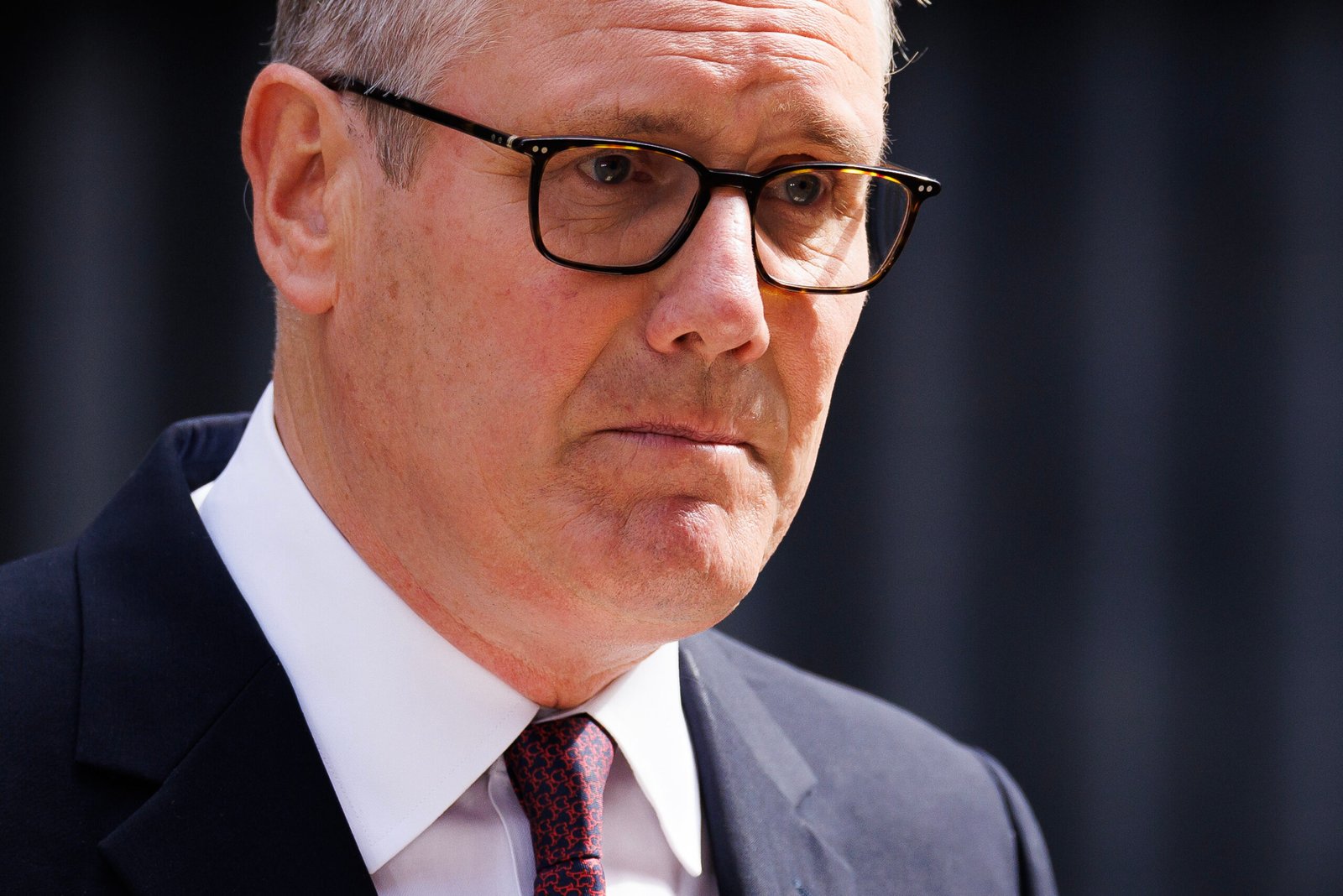
Keir Starmer announced Monday his resignation as UK Prime Minister following the reelection of a key Labour Party rival to parliament and growing dissension inside his party.
“The question my party is asking now is whether I am best placed to lead us into the next general election,” Starmer said in his resignation speech from 10 Downing Street, “I have heard the answer of my parliamentary party to that question, and I accept that answer with good grace.”
Subscribe Today
Get daily emails in your inbox
Starmer’s rival, Andy Burnham, was elected to parliament in a Makerfield by-election last Thursday. Following Starmer’s statement, Burnham thanked the prime minister for his service and signaled he would pursue a leadership role in the party. “His decision marks the beginning of a transition and it is important that this process is conducted in an orderly and responsible way,” Burnham wrote. “I will put myself forward as part of this process.”
Starmer fell under criticism within his party following steep losses in regional and local elections this May to Nigel Farage’s conservative Reform UK party. He was also widely criticized for his appointment of Peter Mandleson, an associate of Jeffrey Epstein, as UK ambassador to the United States despite Mandelson’s failing security clearances.
Starmer’s resignation will make the next leader of the United Kingdom the seventh prime minister in a decade. Nominations for the Labour Party’s leadership will open on July 9 and close with parliament’s summer recess, meaning that the next prime minister could be elevated as early as mid-July.
[ad_2]
Source link
