
[ad_1]
The diplomatic process to end the war on Iran is not buried yet. President Donald Trump, in a post on Truth Social, said that “most points were agreed to” during U.S.–Iranian talks in Islamabad last weekend. “In many ways,” Trump added, “the points that were agreed to are better than us continuing our Military Operations to conclusion.” There is hope among the mediators that the gap could be narrowed and talks could resume before the ceasefire ends on April 21.
But the first round in Islamabad—the highest-level face-to-face talks between the U.S. and Iran since the Islamic Republic of Iran came into being in 1979—ended in disappointment. The two nations did not even agree to further talks as was hoped, though, at the time of writing, non-face-to-face talks are progressing and another round of talks is expected this week.
The three quotations below shed light on why a peace deal is proving elusive and what the U.S. can do to improve the chances for peace.
Quotation #1
Vice President J.D. Vance, during a press conference after the Islamabad talks, complained that the Iranians “have chosen not to accept our terms.” It was for this reason, he said, that the negotiations had failed. And it is this quote that best illustrates the central problem in U.S. negotiations with Iran.
The U.S. is repeating a failed strategy of demanding maximalist concessions from a country that has already declined to accept them and which does not see itself as having lost leverage attained in the war. From Iran’s perspective, this is dictation, not diplomacy, and it demonstrates a lack of respect.
“The simple fact is that we need to see an affirmative commitment that they will not seek a nuclear weapon,” Vance said. Had he stopped there, there could likely have been peace, since Iran has repeatedly said it does not seek nuclear weapons. Under the Iran nuclear deal, Tehran agreed to mechanisms by which the world community could verify it wasn’t trying to build the bomb. But Vance didn’t stop there.
The vice president added the need for Tehran to commit that “they will not seek the tools that would enable them to quickly achieve a nuclear weapon.” That is a demand for zero enrichment of uranium and a shuttering of Iran’s civilian nuclear program. Iran is guaranteed a right to that program as a signatory to the Nuclear Non-Proliferation Agreement, and they will not surrender their sovereignty or their right to that program.
Quotation #2
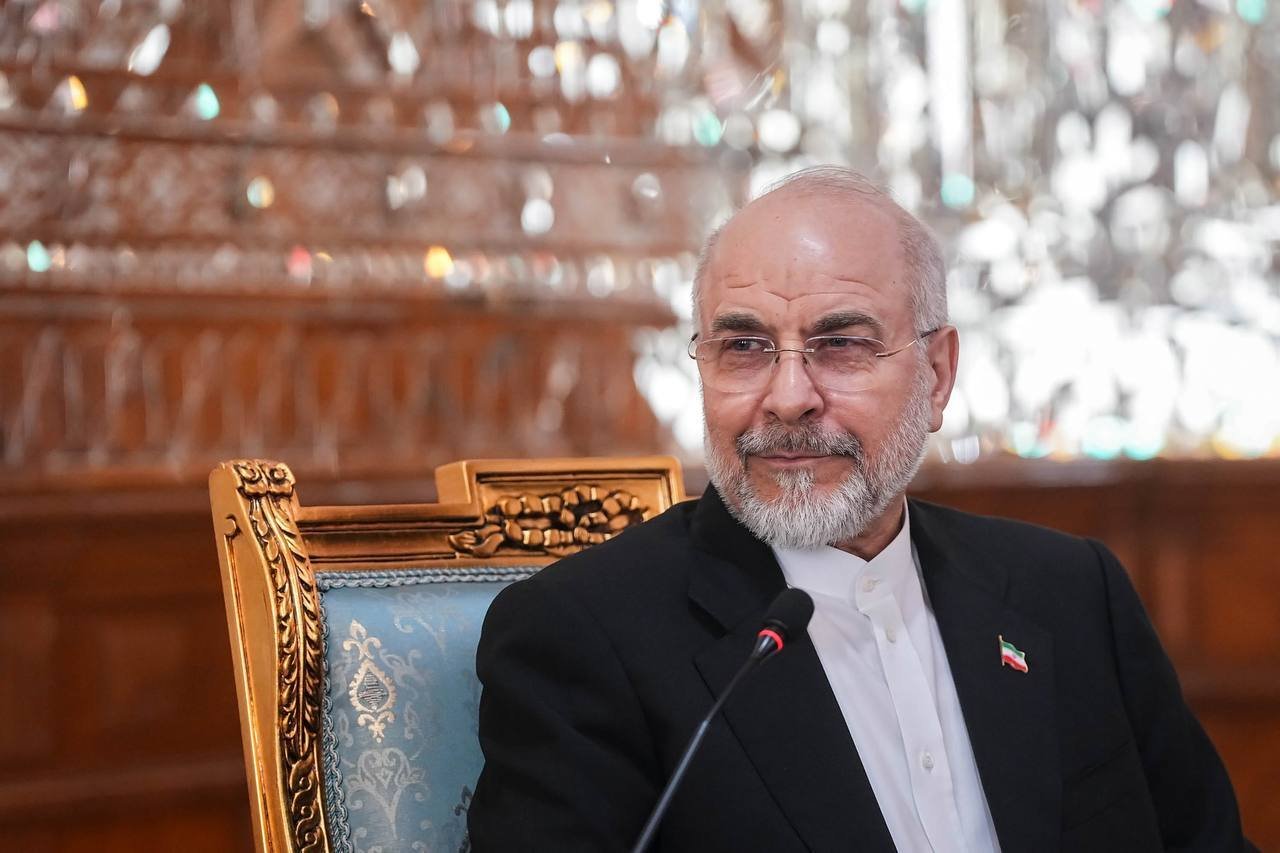
Speaker of Iran’s Parliament and head of its negotiating team, Mohammad Bagher Ghalibaf, recently tweeted, “The opposing side ultimately failed to gain the trust of the Iranian delegation in this round of negotiations.”
The American delegation went immediately to dictating terms and delivering ultimatums to Iran without first establishing trust, which is in short supply after Washington used negotiations to buy time before attacking Iran in February. Many Iranians think the negotiations that preceded the “12-day war” in June were also a ruse. “Due to the experiences of the two previous wars, we have no trust in the opposing side,” Ghalibaf said.
Compounding the problem, Trump has broken diplomatic agreements. It was the first Trump administration that unilaterally pulled out of the hard-won Iran nuclear deal, despite Iran’s verified compliance.
Quotation #3:
President Trump, shortly after the talks in Islamabad broke down, wrote on Truth Social, “Effective immediately, the United States Navy, the Finest in the World, will begin the process of BLOCKADING any and all Ships trying to enter, or leave, the Strait of Hormuz.”
The Trump administration is trying to coerce Iran into making concessions. But faced with maximalist demands, an absence of trust, and extreme threats and escalation, it is very difficult for Iran to engage in diplomacy without losing face. Trump’s threats are provocative because they could mean not just a return to war with Iran but a widening of that war.
This week Trump followed through on the Truth Social threat, imposing a blockade on Monday. The State Department has been subordinated to the Pentagon, and diplomacy has been replaced by threats and escalation. “We negotiate with bombs,” as Secretary of Defense Pete Hegseth said.
Trump also threatened that “at an appropriate moment, we are fully ‘LOCKED AND LOADED,’ and our Military will finish up the little that is left of Iran!” He said that if the blockade is not enough to make Iran agree to U.S. terms, he could resume strikes on Iran.
Subscribe Today
Get daily emails in your inbox
Tehran has warned that if Iranian ports are threatened, “no port in the Persian Gulf and the Sea of Oman will be safe.” China’s Defense Minister Dong Jun reminded the U.S., “We have trade and energy agreements with Iran. We will respect and honor them and expect others not to meddle in our affairs. Iran controls the Strait of Hormuz, and it is open for us.”
And since France has negotiated passage through the Strait with Iran, the threat could even lead to a showdown with a NATO ally. It’s of course unlikely that the U.S. and France would find themselves in military conflict, but Trump’s extreme rhetoric has inflamed tensions even with allies. The UK reiterated that it would not help implement the U.S. blockade, despite Trump’s claims to the contrary.
Before the bombing of Iran, mediators said that a peace agreement was “within our reach if we just allow diplomacy the space it needs to get there.” During the Islamabad talks, we heard that a memorandum of understanding was “just inches away.” But both times, the talks fell short because the U.S. insisted on dictating terms when no trust had been built and resorting to military threats and force while talks were ongoing.
[ad_2]
Source link
