
[ad_1]
The research on diet sodas has about as much clarity as a glass of Diet Coke.
Studies contradict one another. Some are funded by the beverage industry. The way they are structured can lead to different findings.
Comparisons matter, too. Are diet sodas better for your long-term health than sugary sodas? Probably, yes. But compared to water? Not so much.
Garnish that with claims about the artificial sweetener aspartame causing cancer, diet sodas being addictive, and hyper-sweet flavors affecting brain chemistry, and the health outlook on diet sodas is even more complex.
Here’s a quick guide to navigating the low-calorie beverage menu — and weaning yourself off sweet, fizzy sodas, if you’re ready.
Are diet sodas bad for your health? Studies differ
Several large-scale studies found significant associations between consuming artificially sweetened drinks — like diet sodas — and a number of health issues, including Type II diabetes, obesity, hypertension, metabolic syndrome and cardiovascular issues.
But these were observational studies, meaning scientists compare people’s health outcomes with their diets. A correlation between diet soda consumption and poor health outcomes doesn’t prove the soda caused those outcomes.
There could be other confounding factors. For example, maybe people who drink diet sodas do so because they are already concerned about their health. Or maybe they drink diet soda because they really like high-calorie dishes and want to offset the excess calories they get through that food.
Plus, researchers haven’t consistently found the same negative health outcomes from artificially sweetened drinks when they do smaller and shorter-term experiments to try and establish cause and effect.
In a 2022 systematic review, the World Health Organization examined results from 50 randomized controlled trials. Generally, the studies showed no significant health effects (positive or negative) from these non-sugar sweeteners, or very mild benefits for short-term weight loss and body mass index — particularly when compared to sugary sodas.
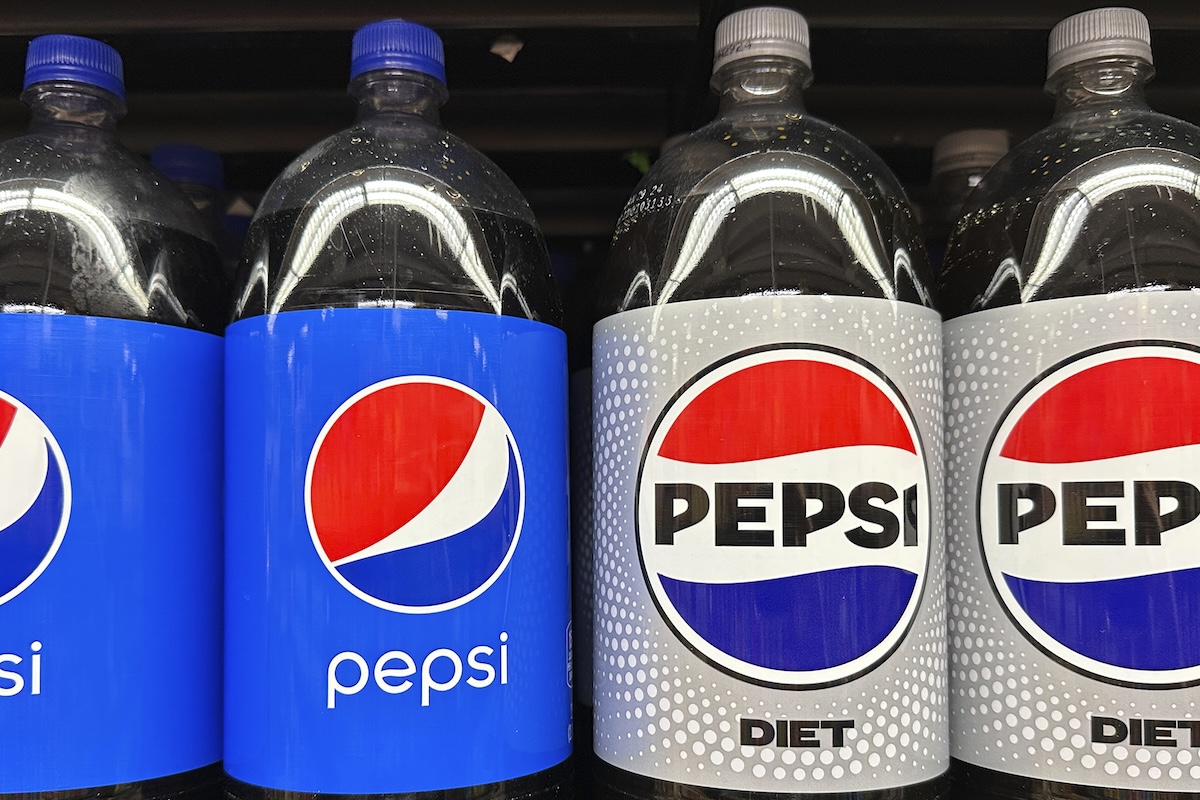
Pepsi sodas are displayed for sale in New York on, Wednesday, Nov. 15, 2023. Large epidemiological studies have found a correlation between diet sodas and negative health outcomes, but short-term controlled trials have not consistently proven causation. (AP)
Diet soda is a healthier option than sugary soda, but neither is best
Although the verdict on diet sodas is still out, we know that Americans consume more than recommended amounts of added sugar, and it’s harming their health.
Sugary drinks are a big part of that. A 12-ounce can of regular Coke contains about 39 grams of sugar. That’s about 10 teaspoons, more than the 9 teaspoons the American Heart Association says adult males should consume at most every day, and the recommended max of 6 teaspoons for women.
Artificial sweeteners, meanwhile, come in smaller doses. That same 12-ounce can of Diet Coke only contains around 200 milligrams — about one-sixteenth of a teaspoon — of aspartame, which is 200 times sweeter than table sugar.
“If a patient is consuming large amounts of regular soda (more than 1 can every week or two) and the alternative is diet soda to satiate a craving for something sweet, I’ll take it,” Dr. Sarah Fishman, an endocrinologist who treats diabetes, said in an email. “But if I can convince someone to go straight from regular soda to water or seltzer, that’s always much preferred.”
Experts we spoke with agreed: Diet soda is a better option than regular soda, but switching to water, or another unsweetened drink like tea, is best.
In this Dec. 25, 2018, a person uses a soda fountain dispenser at the Back Bowl bowling alley in Eagle, Colorado. (AP)
Gut microbiome, metabolism, and the brain — other concerns about diet sodas
Diet sodas might have zero calories, but scientists are investigating how they may impact digestion, metabolism and brain chemistry.
Some experimental data in animals and humans shows that non-sugar sweeteners may affect the digestive system microbes that break down food, but it’s not clear yet whether those changes are harmful.
Other researchers are exploring how peoples’ bodies react when they consume something that tastes sweet but doesn’t contain any energy to break down. Drinking a diet soda won’t raise your blood sugar or cause significant insulin release like a regular soda would, but researchers are exploring whether these sweeteners, that are often consumed alongside other carbohydrates, could affect metabolism and insulin sensitivity over the long-term.
“There is a lot of theoretical research in this area but limited actual human studies,” Fishman said.
Scientists have also compared MRI brain scans of people who regularly consume artificial sweeteners and those who don’t and found their brains respond differently to sugar and artificial sweeteners. The results suggest that regularly consuming these hyper-sweet beverages might make that sweet flavor feel less rewarding.
But with many chemically distinct artificial sweeteners on the market, it’s difficult to parse how each one — aspartame, saccharin, sucralose, etc. — affected the gut, brain, and metabolism.
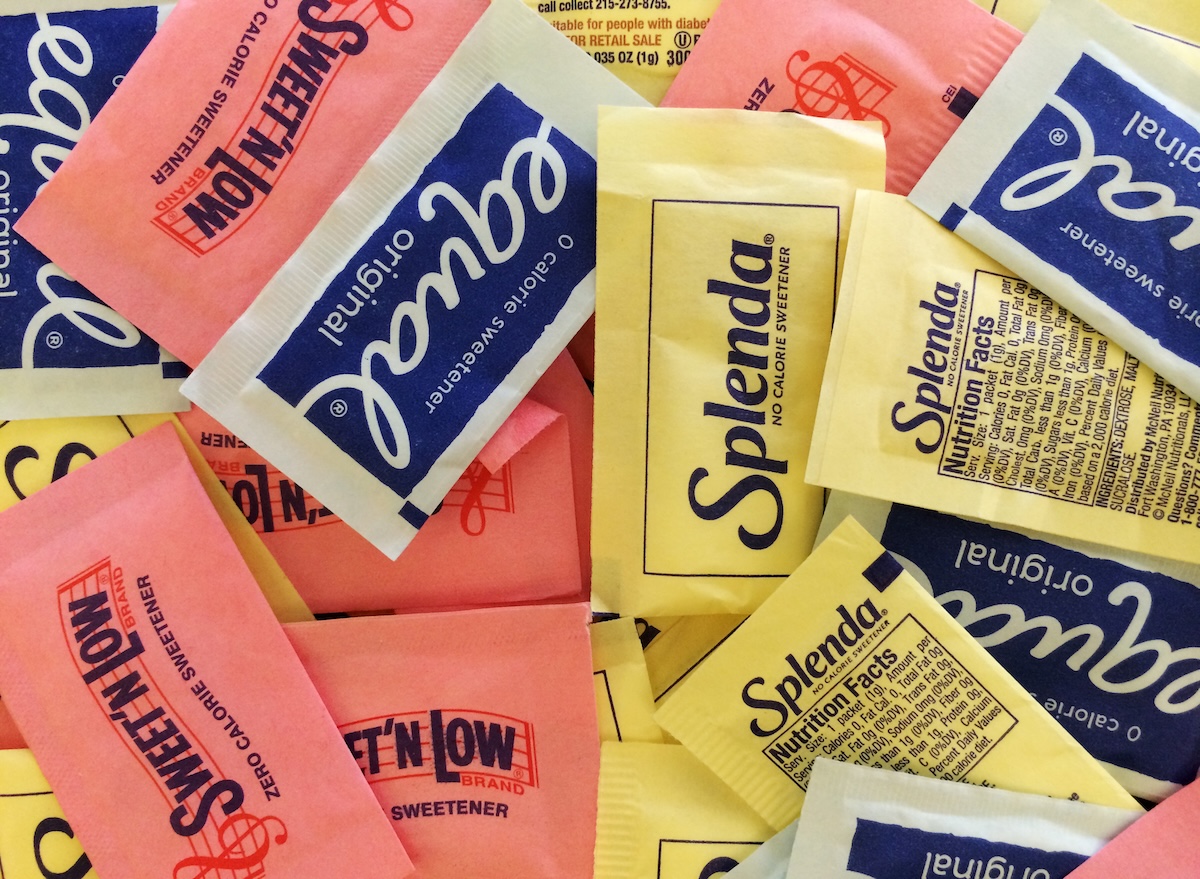
There are several FDA-approved artificial sweeteners on the market. Sometimes they are listed by their chemical name, but you might know their brand names like Splenda (sucralose), Sweet’N Low (saccharin) or Equal (aspartame). (AP)
Do I need to be worried about aspartame?
If you are a regular soda drinker, you may have heard about aspartame being linked to liver cancer. In 2023, The World Health Organization categorized aspartame as possibly carcinogenic to humans.
Some experts criticized the label as hinging on limited evidence, much of it from studies involving only animals. But even if you were worried, you’d have to be guzzling sodas to be in danger because the WHO set the acceptable daily intake of aspartame at 40 milligrams per kilogram of body weight. That means a 150-pound person would have to drink over 13 cans of Diet Coke a day to hit that number.
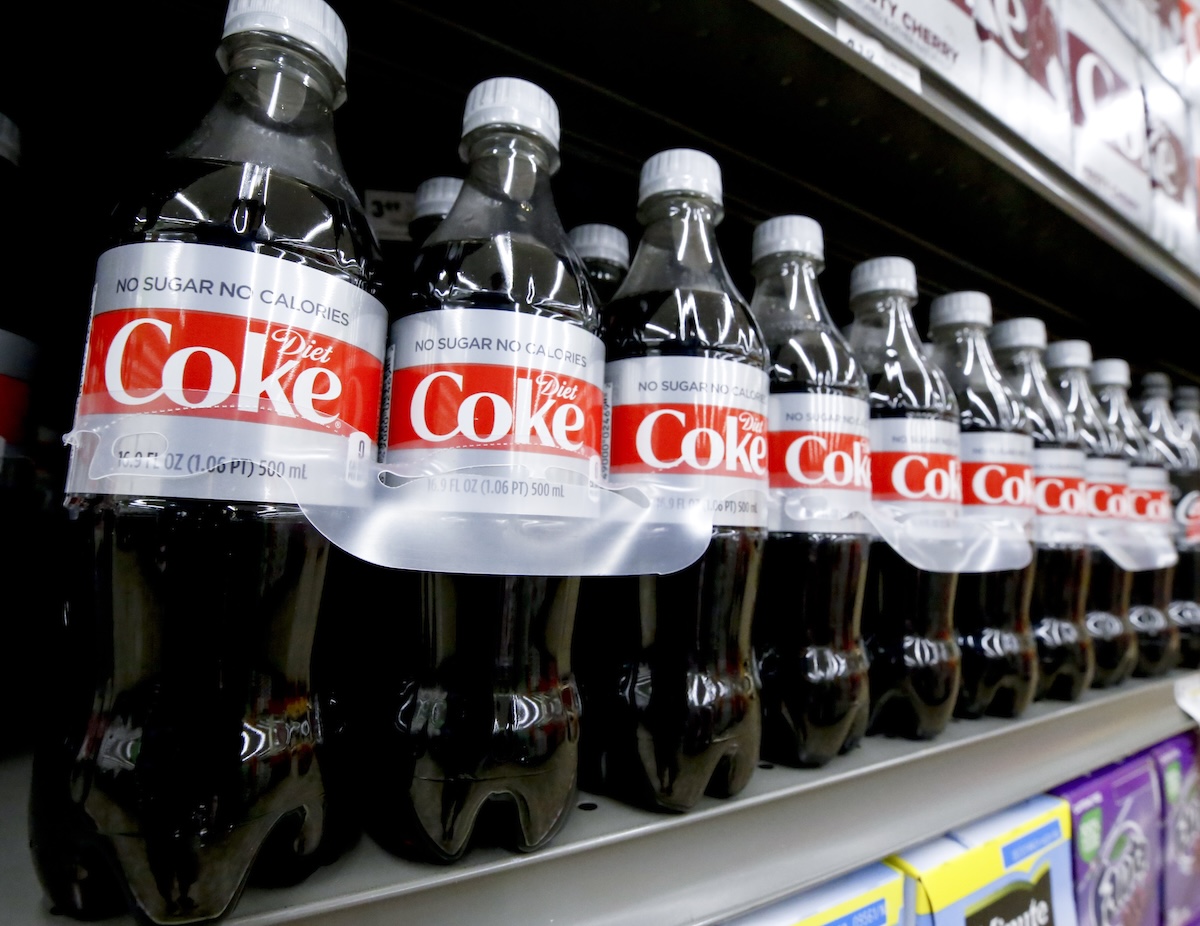
Aspartame is the sweetener used in Diet Coke and other sodas like Diet Pepsi, and Diet Dr. Pepper. It’s also used in sugar-free chewing gum, and zero sugar pancake syrups. (AP)
If you want to quit, here are some strategies
We probably all know someone with a self-proclaimed diet soda addiction. Between caffeine and the beverage’s associations with memories or routines, sodas can often lend a sense of regulation to a person’s day.
Like anything addictive, it can be hard to quit. But Nicole Avena, a neuroscientist studying food addiction, offered these tips for people who want to try:
-
Rather than eliminating any drink, try substituting the soda with sparkling water, flavored seltzer, or unsweetened tea.
-
Gradually reduce caffeine, rather than stopping cold-turkey, to avoid withdrawal.
-
Identify triggers like specific times of day, stress or fatigue that make you turn to the soda.
-
Pair the new drink with something else you already like to do — preferably something that is already a habit or routine.
-
Satisfy thirst with other forms of hydration such as water so that you don’t reach for soda.
Other psychologists suggest adding obstacles between you and your habit, making it more inconvenient to maintain. Maybe store the soda in the garage so you have to go outside to get it, or stop buying soda, except when dining out. These elements of “friction” can break behavior patterns.
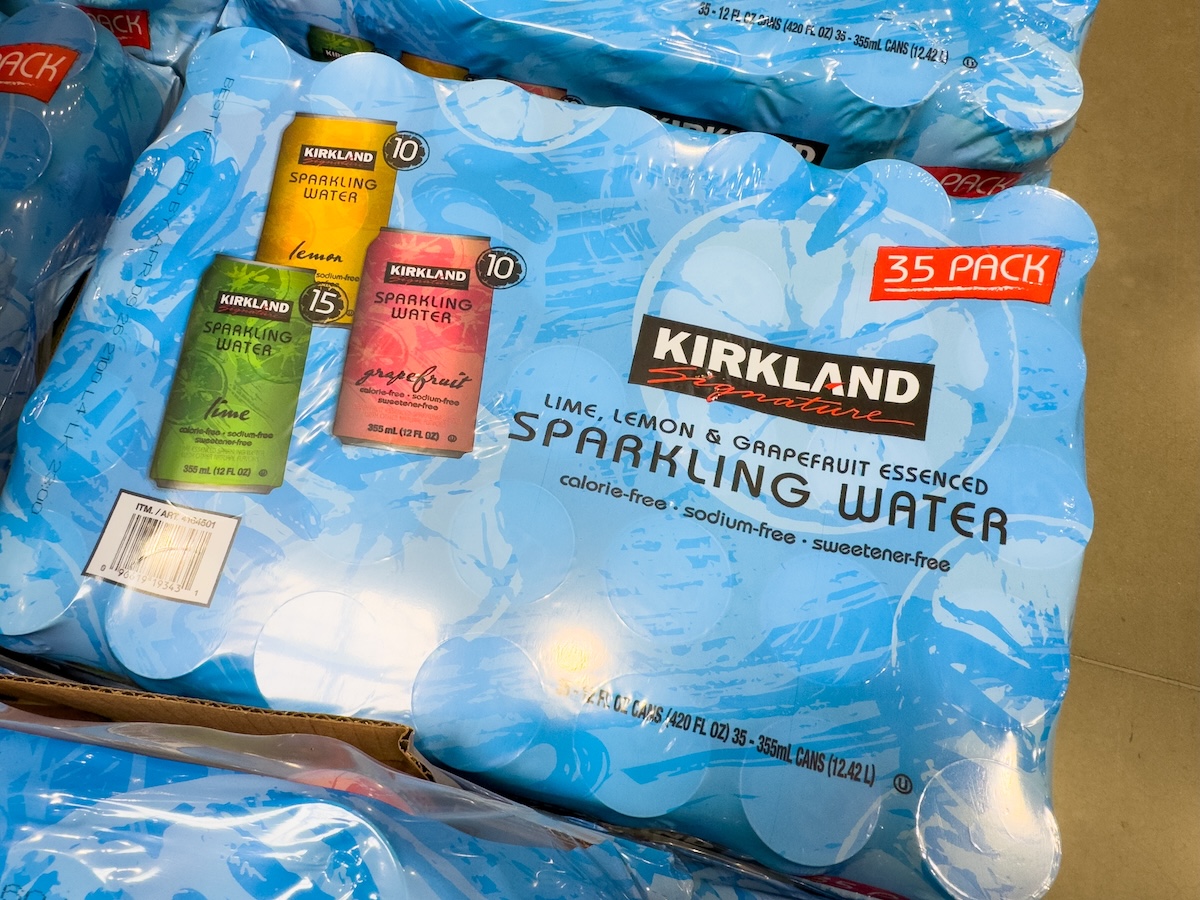
Sparkling water can offer bubbly refreshment without the sweet taste. (Shutterstock)
[ad_2]
Source link
