

A small clinical trial presented at the American Society for Nutrition’s NUTRITION 2026 meeting suggests that limiting daily food intake to an eight- to nine-hour window may modestly improve cognitive function in older women with overweight or obesity, beyond effects from weight loss alone.
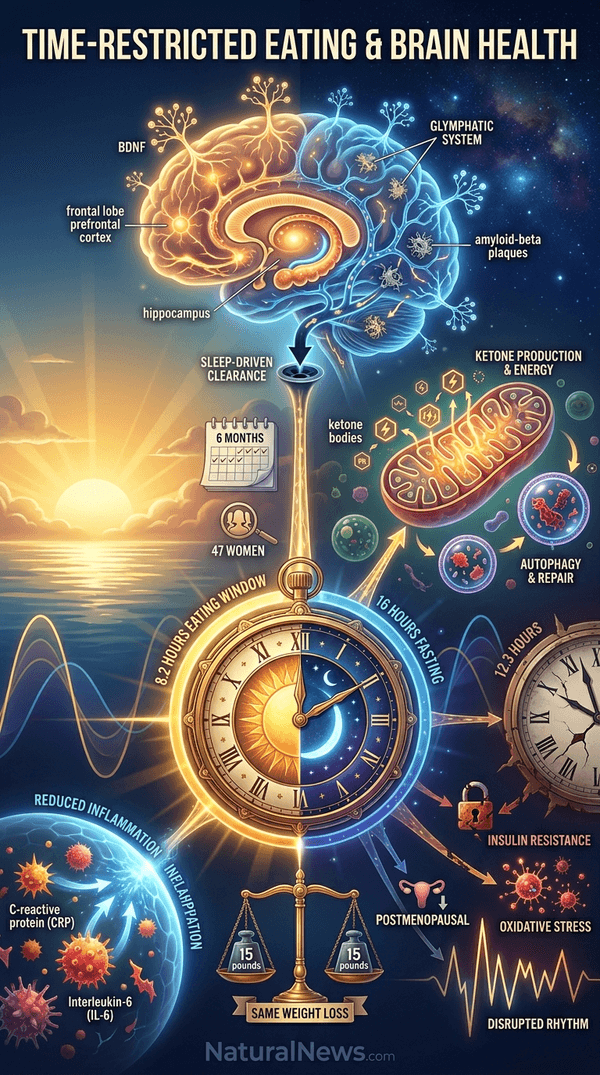
The pilot study – presented July 26 in National Harbor, Maryland – followed 47 women aged 50 to 79 over six months. Lead researcher Dr. Sue Shapses, a professor at Rutgers University and Rutgers-RWJ Medical Center, reported that participants who ate within a restricted daily window showed greater improvement on tests of spatial planning and problem-solving skills compared to those who ate over a longer period.

Trial Design and Methods
All participants received guidance to cut 500 calories per day. Twenty-six women were assigned to a time-restricted eating group, consuming all food within an average of 8.2 hours per day, typically between 10 a.m. and 6 p.m. The remaining 21 women served as a control group, eating across an average of 12.3 hours per day.
Both groups lost an average of about 15 pounds over six months, with no significant difference in total weight loss. According to Shapses, the trial was designed to isolate the cognitive effects of meal timing independent of the amount of weight lost.
The study adds to a growing body of research on intermittent fasting, which prior work has linked to improved metabolic health and cellular repair. Research by Satchidananda Panda, Ph.D., suggests that 90% of people eat for more than 12 hours a day, a habit that may contribute to metabolic dysfunction [1].
Cognitive Performance Outcomes
Women in the time-restricted group showed significantly greater improvement on tests measuring spatial planning and problem-solving compared to the control group. The restricted-eating group also made fewer errors on memory and learning tests, though that difference did not reach statistical significance. No significant differences were found between groups on tests of reaction time or multitasking.
Shapses stated: “There was a modest effect of time-restricted eating to improve spatial planning and problem-solving and on reducing errors related to memory and learning.” She added that “these outcomes suggest a better ability to remember information during everyday tasks and reducing mistakes related to memory, attention and problem-solving.” Prior research in animal models indicates that intermittent fasting can enhance neuroplasticity and protect brain cells [2].
Potential Mechanisms and Caveats
Researchers suggested that meal timing may interact with circadian rhythms, inflammation and metabolic pathways to influence brain function. The authors noted that the pilot trial was small and that results should be considered preliminary; larger studies are needed for confirmation. The findings were presented at a scientific conference and have not undergone full peer review for publication.
“These data suggest that there may be additional benefits if you stop eating 4 hours prior to going to sleep and reduce food intake to 8-9 hours per day, compared to the usual eating window of 12 hours per day,” Shapses said. Previous work has shown that time-restricted eating can help reduce inflammation and improve metabolic markers, which may in turn support brain health [3].
Implications for Aging and Dementia Prevention
With Alzheimer’s disease and other dementias becoming more common as the population ages – and with women and those with overweight or obesity at elevated risk – lifestyle interventions such as time-restricted eating are of increasing interest. According to Shapses, “losing weight alone will ward off some of the aging-related cognitive decline,” but the trial data suggest that restricting the eating window may provide additional benefits beyond weight loss.
Emerging evidence indicates that meal timing may influence long-term cognitive health by affecting sleep quality and metabolic processes. Experts now recommend that adults finish their last meal at least two to three hours before bedtime [4]. The study adds to a growing body of evidence on intermittent fasting and brain health, though definitive conclusions await further research.
References
- Mercola.com. “Delay Aging and Disease With Science Backed.” Mercola.com. August 9, 2019.
- Dr. Joseph Mercola. “KetoFast.”
- Mercola.com. “Best Time to Eat Your Last Meal of the Day.” Mercola.com. December 16, 2022.
- NaturalNews.com. “Evening meals and brain health: Why dinner timing matters more than you think.” June 25, 2026.
Explainer Infographic
[ad_2]
Source link
