
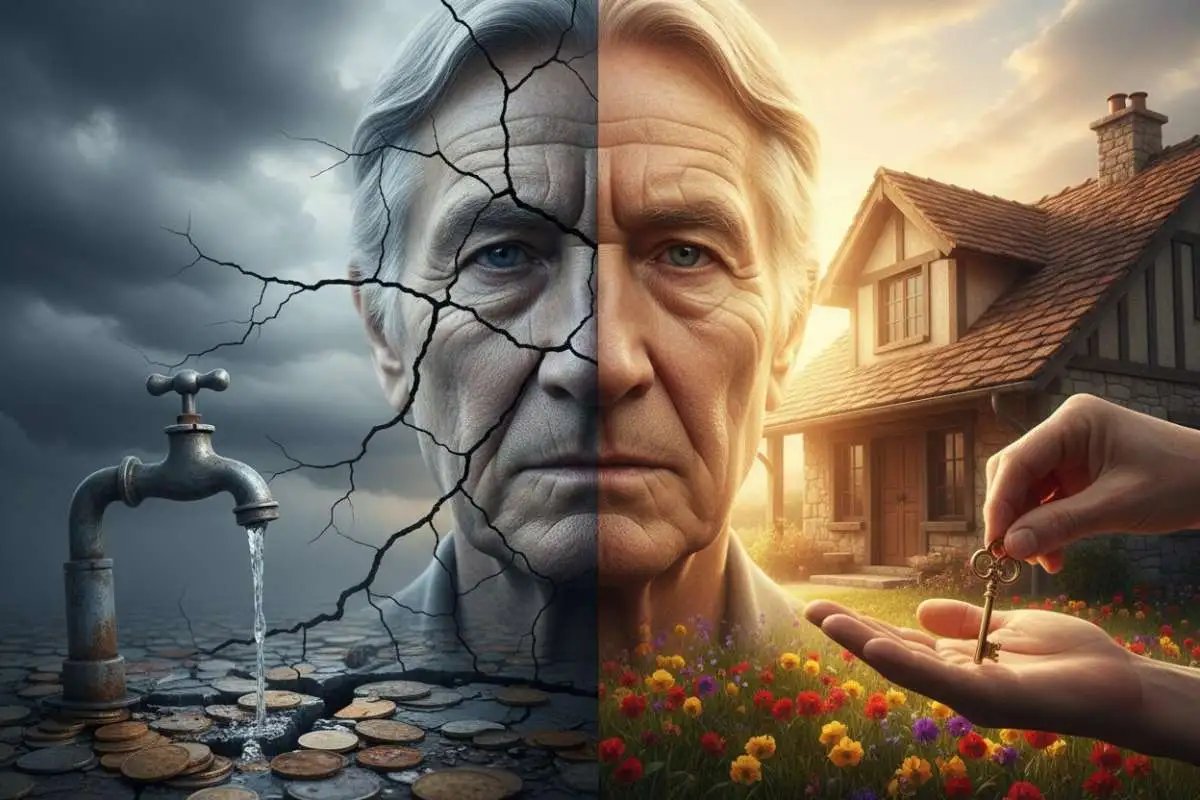
A study published in Ageing and Society involving more than 15,000 older adults found that a “precarity index” measuring instability in finances, housing, relationships, and caregiving predicted frailty better than income or education alone. Researchers from the University of Edinburgh used data from the English Longitudinal Study of Ageing to track changes in life circumstances and frailty over time. According to the study, higher levels of precarity were consistently associated with worse frailty outcomes, and changes in stability corresponded to changes in health status.
Frailty is characterized by physical decline, reduced energy, and increased vulnerability to illness, according to the researchers. The study defines frailty as one of the most reliable markers of biological aging. The precarity index captured instability across multiple domains, providing a more comprehensive picture than single factors like income. “The relationship was dynamic,” the authors said. The study was reported by mindbodygreen.

Study Design and Methodology
The research team created a precarity index that measured instability across financial strain, housing security, food and energy costs, caregiving responsibilities, and relationship status. Data came from the English Longitudinal Study of Ageing, a long-term panel study of adults aged 50 and older in England. The analysis tracked how changes in these life circumstances over time related to changes in frailty, according to the authors.
The study used a longitudinal design, following participants from wave to wave. This allowed researchers to observe that when instability increased, frailty worsened, and when circumstances stabilized, health outcomes improved. The authors said the study controlled for baseline health and demographic factors. The findings indicate that the structure of daily life may influence aging trajectories as much as traditional health behaviors.
Key Findings: Everyday Stressors Dominate
Housing insecurity, difficulty affording food and energy costs, and ongoing financial strain were identified as the strongest drivers of accelerated aging, according to the study. The relationship between precarity and frailty was dynamic: when instability increased, frailty worsened; when circumstances stabilized, health outcomes improved. The study also revealed nuance around caregiving and social connection.
Some caregiving was associated with better outcomes, but high-intensity, unsupported caregiving appeared harmful, according to researchers. Living alone or losing a partner was linked to worse frailty trajectories, reinforcing the protective role of social stability. These everyday stressors may be as influential as diet and exercise in shaping aging outcomes, the authors said. Existing research on frailty notes that it “takes a toll on the family’s budget because of its chronic progressive disability and recurrent hospitalization,” as described by Prasun Chatterjee in “Health and Wellbeing in Late Life” [4].
Implications for Longevity and Public Health
The study suggests that reducing chronic life stressors may support healthy aging just as much as optimizing diet and exercise, according to researchers. Treating stability as a health habit, focusing on “invisible” stressors like food and energy insecurity, and protecting social stability were highlighted as potential strategies. The findings indicate that retirement planning, housing security, and building support systems are longevity tools, not just financial goals.
Research on flavonoids has shown that dietary factors can reduce frailty risk [1], pointing to multiple pathways for intervention. Similarly, studies on exercise indicate that physical activity becomes more critical with age [2], but the current study argues that structural stability may be equally important. The authors of “The Longevity Leap” note that slowing biological aging involves addressing a range of factors beyond diet and exercise [5]. The findings add weight to the idea that policy measures targeting housing affordability and food security could yield direct health benefits for older adults.
Conclusion: Structural Stability as a Health Factor
The research points to life stability — financial security, housing, relationships, and manageable caregiving — as a powerful factor in healthy aging, according to the study authors. The study adds to evidence that structural and social determinants of health may be as important as individual lifestyle choices in aging outcomes. The focus on stability echoes broader arguments that aging, while inevitable, can be influenced by environment and social support [3].
Further research is needed to explore interventions that reduce precarity and support aging populations. The study’s implications extend beyond personal habits to societal structures. As the authors concluded, stability is not just a financial goal but a foundation for long-term health.
References
- Coco Somers. “Study Links Flavonoid Intake to Reduced Risks of Frailty Physical Decline in Older Adults”. NaturalNews.com. March 27, 2026.
- Lance D. Johnson. “Study finds that exercise becomes more critical as you age with 150 daily minutes of movement necessary for a healthy life”. NaturalNews.com. August 06, 2025.
- Lance D. Johnson. “Aging is Inevitable but Suffering is Optional”. NaturalNews.com. August 08, 2025.
- Prasun Chatterjee. “Health and Wellbeing in Late Life Perspectives and Narratives From India”.
- Siim Land. “The Longevity Leap: A Guide to Slowing Down Biological Aging and Adding Healthy Years to Your Life”.
[ad_2]
Source link
