
It is now an accepted narrative within the media that the US has become increasingly polarized. We just had our 250th celebration, and it seems to have further polarized our nation rather than bring it together. It is important, however, to put this polarization into perspective. We discuss this topic on my (relatively) new podcast, Political Reality, which I host with political scientist, Andres Jones Rooy.
First, we have to define what we mean by political polarization – mainly a divergence of ideology and policy preferences. How similar or far apart are Americans on average in terms of their political beliefs and preferences? It certainly feels as if such polarization is increasing, but political scientists have been confronted with a dilemma – they cannot find this polarization in the data. Left and right (Democrat and Republican) do differ in many policy preference, but those differences are a lot less than most people think, and they are not increasing over time. It turns out, most people favor common sense policies that are somewhere in the middle on most issue, with Democrats skewing a little left and Republican skewing a little right. Further, people’s core concerns are all just about the same. We all want relative safety, fair prices, and good job opportunities.
There are a few exceptions to this lack of increasing polarization, including two policy issues – abortion and global warming. Over the last 20 years there has been a little increase in the policy differences on these issues. But that’s it. Another exception is a demographic one. There has been increasing polarization within our elected officials. Senators and Representatives are becoming more polarized, even while their constituents are not.
So why does it feel we are so much more polarized? To answer this question political scientists have developed the concept of affective polarization. How do we feel about the “other side”, how do we think they feel about us, and what do we think their policy preferences and core values are? Over the last two decades they have been tracking these questions, and affective polarization has been increasing significantly. We mostly do not disagree with each other more, we just think we do and we dislike each other more. It is also likely that our representatives are becoming more politically polarized in reaction to our affective polarization. But also they may be driving it – it is tricky to disentangle cause and effect.
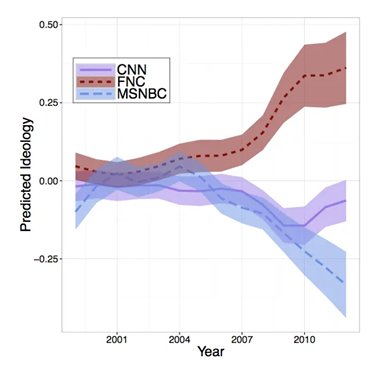
What, then, is causing this significant increase in affective polarization? In short – the media. Both traditional media and social media are clearly driving affective polarization. Media has become more partisan, and market forces favoring increasingly emotional and extreme rhetoric. Jeanine Pirro on Fox News literally “demonized” Democrats by referring to them multiple times as “Demon rats”. Three decades of escalating rhetoric like this has had an impact. Then of course there are all the problems with social media, including echochambers and algorithms. We live in an attention economy, and what drives attention is outrage. So we are all outraged. Politicians also like to outrage their constituents, because they drives donations and gets them to the polls.
Trump and our 250th celebration are a manifestation of this. I don’t want to get into the debate about to what extent Trump caused or was caused by affective polarization – it’s clearly both. But there is general agreement that he is an accelerant. The 250th was a good example – the events, the speeches, and the iconography was not intended to unite Americans to celebrate our common history, our common goals and the founding principles. It was a partisan rally, if anything designed to piss off the other half. And it worked. It is hard to argue with the conclusion that Trump is a divisive figure, whether you support him or not.
So how do we get out of this? First, I think it’s important to recognize what is and is not going on. Most people are normal people – we have similar values and want mostly the same things. Most people are fairly close together on many policy issues. None of this is to say there are not meaningful differences. And there are subsets of people who favor extreme policies that can be very harmful to other subsets of people. We do have different value priorities. But we also have a lot in common, and these real differences can be worked out through the normal process of political compromise.
To realize this better – do not believe what you read or see in the media without a solid skeptical filter. Do not trust secondary hostile sources – meaning do not let a Democratic partisan outlet tell you what Republicans are like or what they believe, or vice versa. Let people tell you what they believe, and listen to them. Don’t believe ridiculous things about the “other side”. Democrats don’t “hate America”. That’s just silly. Republicans don’t want everyone to own a gun without restriction. Most favor common sense gun safety regulation. Democrats are not all communists, and Republicans are not all fascists.
Further – we need to demand better of our elected officials. Ethical conduct should matter. Being willing to work with the other side on common sense compromise is necessary, and we should except and demand it. Instead, many people criticize and punish cooperation, because they are convinced the other side are demons who want to destroy America.
Balance your media consumption, and favor quality over partisanship. In fact, seek our reasonable media from the other side. Don’t let yourself get trapped in an echochamber.
And – learn some civics and political science. In a way, voters get what they deserve. We collectively need to take more responsibility for our own political beliefs and knowledge, to vote more responsibly, and to keep focused on important issues. Democracy is not passive. We are in a pretty deep hole, and only voters can really get us out of it. We need to primarily take control away from media. If we let them decide what to think and what to think about, they will continue to drive us over a cliff of affective polarization.
