
[ad_1]
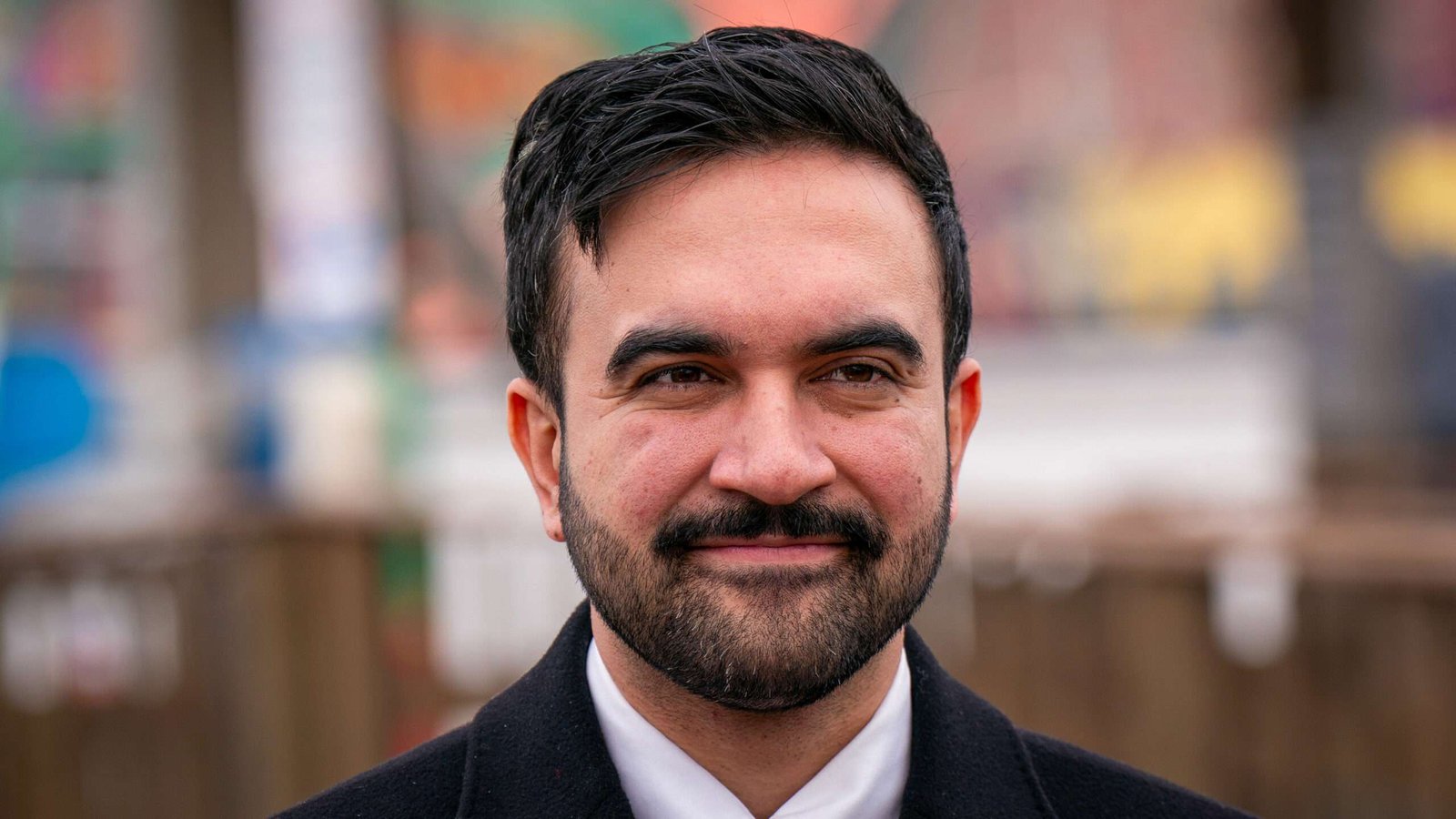
New York City Mayor Zohran Mamdani has now been in office for a little over 100 days, and while he has not yet delivered on his campaign promises to freeze the rent or make buses free, his city-owned grocery stores are one step closer to opening.
Earlier this week, Mamdani announced that a vacant lot next to La Marqueta, an East Harlem marketplace already owned by the city, will be the site of a city-owned grocery store. Mamdani said he announced this location first because it will be built from the ground up, unlike the other stores. The mayor expects the city to spend $30 million on construction costs, according to The New York Times. That’s almost half of the $70 million total the administration has announced it plans to spend on all five stores.
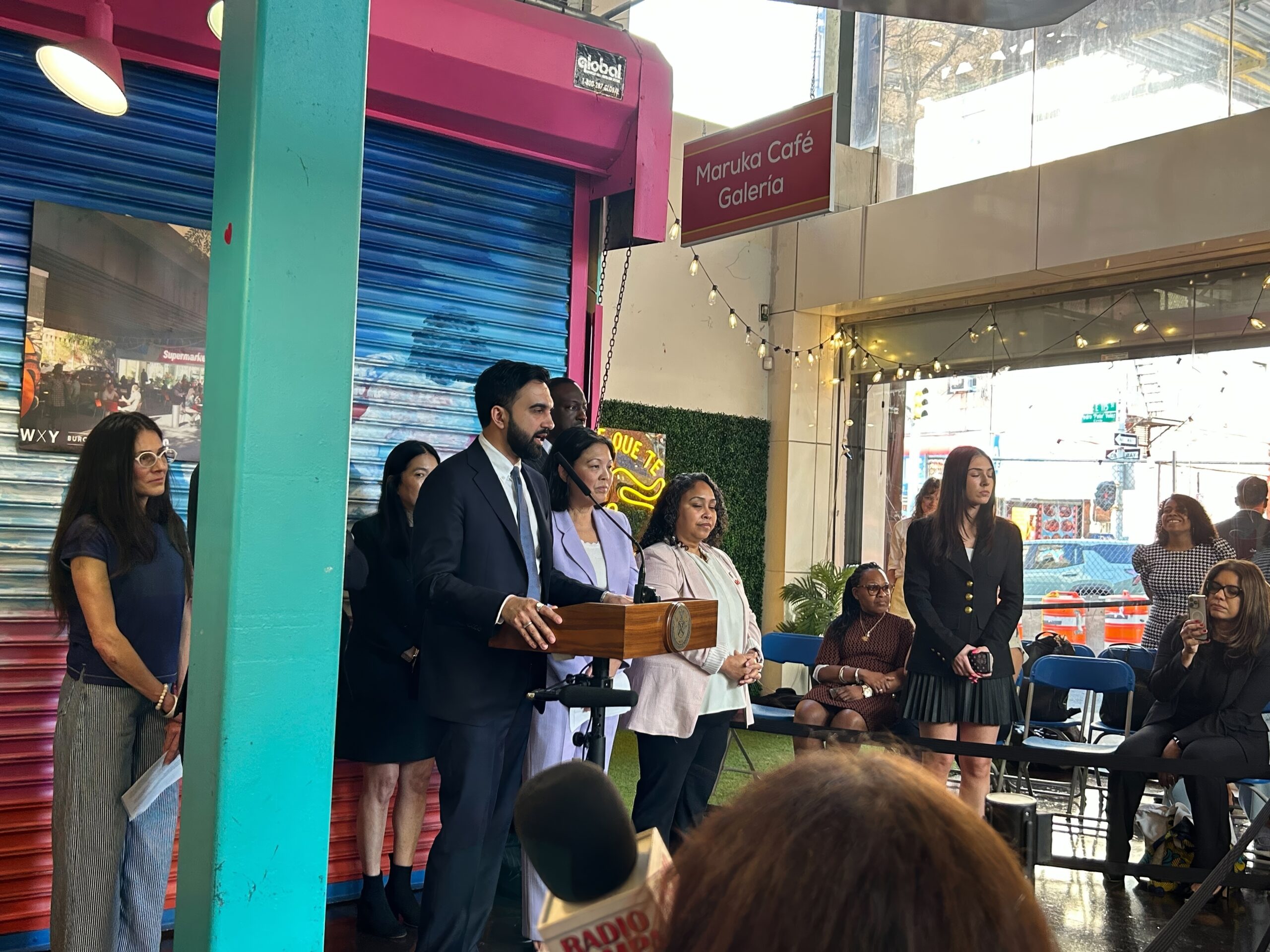
This week, the Mamdani administration gave more details on how the stores would work. To lower prices, the city will choose a private operator to run each store, who would “be contractually required to pass savings directly to customers on a core basket of everyday staples.”
“At our stores, eggs will be cheaper. Bread will be cheaper. Grocery shopping will no longer be an unsolvable equation,” Mamdani told a crowd at a rally on Sunday commemorating his first 100 days in office.
It’s unclear how discounted the groceries will be at the city-owned stores. When asked about the savings on Tuesday, Mamdani said New Yorkers will see a “clear price differential” comparing the stores’ core basket of essential goods to other food costs.
“The difference in this approach is that we are not hoping for affordability. We’re guaranteeing affordability,” he added.
But there is little reason to believe that city-run grocery stores are the solution to the “unsolvable equation” of affordability.
First, the problem is somewhat misdiagnosed. Mamdani’s deputy mayor for economic justice told Bloomberg the administration is prioritizing opening grocery stores in food deserts—a term for areas that lack access to produce and healthy foods. And during Tuesday’s press conference at La Marqueta, Manhattan Borough President Brad Hoylman-Sigal claimed a city-owned grocery store was necessary in East Harlem because “fresh produce is harder to find” in the neighborhood, forcing residents to rely on cheaper, processed foods.
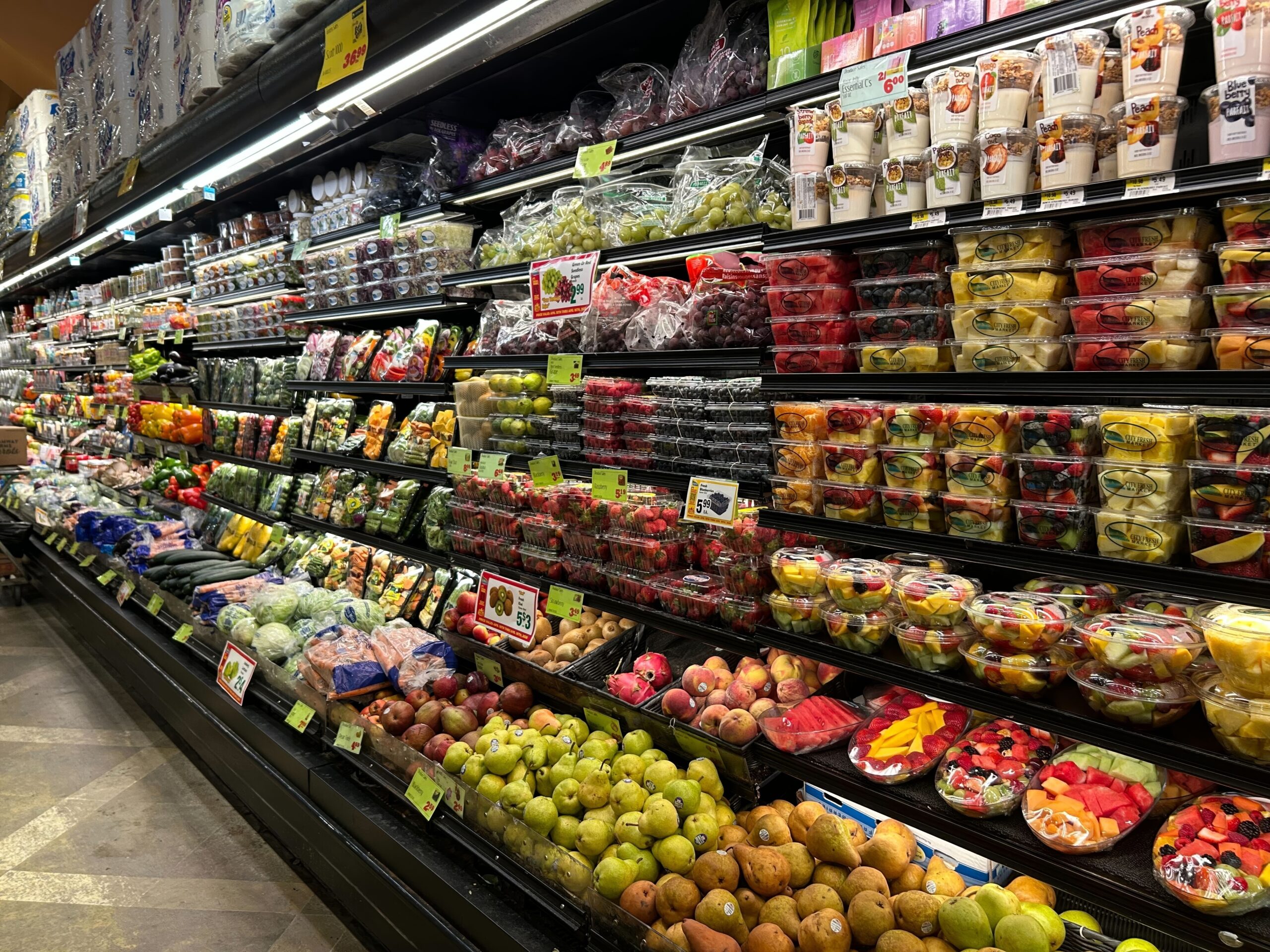
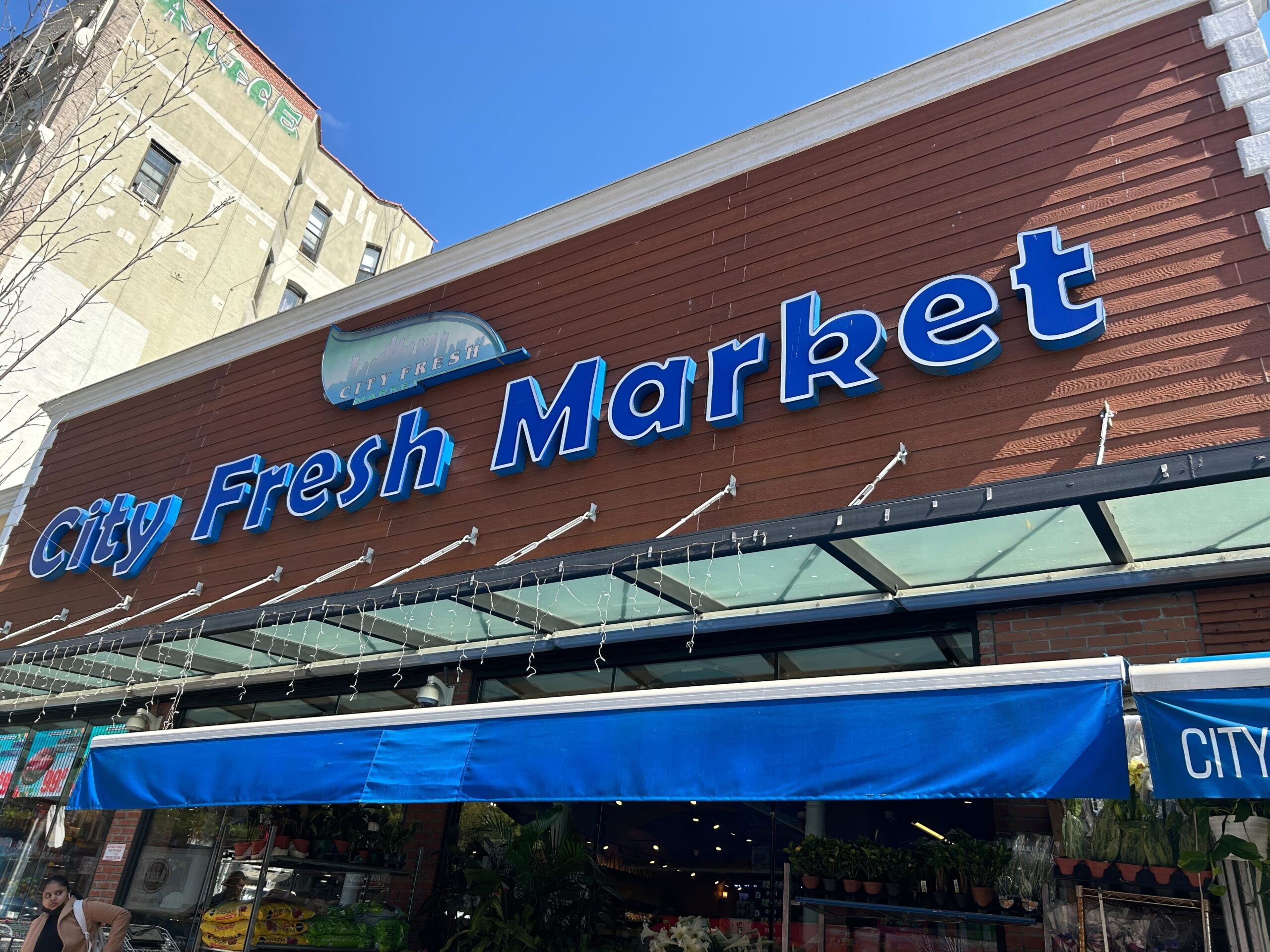
Setting aside the fact that proximity to produce-filled grocery stores does not necessarily correlate with healthier outcomes for shoppers, New York City is hardly a food desert. A recent study from a group of international researchers found that New York City was the top-ranked major American city for food access. A quick search on Google Maps also reveals that there are several grocery stores within blocks of La Marqueta in East Harlem, including one that’s a 3-minute walk away, which sells fresh produce.
Debates over food deserts aside, Mamdani has already anticipated some pushback from his critics who say government-run grocery stores won’t work.
“My answer to them is simple,” he said. “I look forward to the competition. May the most affordable grocery store win.”
But, by definition, the government-owned grocery store would not actually foster competition because it would be largely insulated from price signals and subsidized by taxpayers.
“Private grocers keep costs down by utilizing complex supply chains and economies of scale that Mamdani’s stores won’t have access to,” writes Reason‘s Natalie Dowzicky. The city store likely would not have access to this supply chain, so the government (and therefore taxpayers) will have to step in. Instead of encouraging more competition in the city and welcoming stores like Walmart, which are able to offer food at low prices without intervention, Mamdani’s plan artificially keeps prices low and passes the costs off to the government, which currently faces a $5.4 billion budget gap.
Although the plan is appealing to some residents, it is drawing criticism from the grocery store industry.
“To have the city decide to open a store in the same neighborhood in which our members are operating at already low margins — because running a store in the city is very expensive, extremely expensive — we feel that it’s a big slap in the face to us,” Antonio Pena, the president of the National Supermarket Association, told Gothamist.
The local stores will not have to worry about the competition too soon, however. Like most government projects, the store in East Harlem will take years to open. The first city-owned grocery store is expected to open in 2027, and the store at the La Marqueta site will open by 2029.
[ad_2]
Source link
