
[ad_1]
After a shooting at a San Diego mosque on May 18, social media users began to speculate that the suspects were transgender.
One X account, @amuse, which has more than 685,000 followers and regularly shares falsehoods, wrote in a post with more than 4 million views that the suspects were “identified as a transgender couple by classmates.” The post did not provide evidence and when an X user asked Grok for a source, @amuse replied, “I’m the source.” Grok is an artificial intelligence chatbot on X.
Another poster, Nick Sortor, who has 1.5 million followers, wrote May 19 on X that San Diego police are “refusing” to name the shooters. “Why, you ask? BECAUSE IT WAS A TRANS COUPLE,” he wrote.
Several TikTok videos have made similar claims about the suspects.
It’s become common after mass shootings for some social media users to spread the misleading claim that transgender people are more prone to violence than others. Research shows that the majority of mass shootings are perpetrated by men who are not transgender — and there’s no evidence so far that suspects Cain Clark, 17, and Caleb Vazquez, 18, were an exception.
Sortor’s post included a clip from a May 19 press briefing in which San Diego Police Chief Scott Wahl said, “What you will not hear from us today is the names of these two suspects. Today is about our victims and our community, coming back together again.”
But San Diego police, in a written briefing May 19, identified Clark and Vazquez, who they said shot and killed themselves after the mosque attack.
Officer Abbey Langley, a spokesperson for the San Diego police, didn’t answer questions about the suspects but pointed us to their website and YouTube channel with information about the case. Tina Jagerson, an FBI San Diego spokesperson, said the agency declined to comment on the claims. PolitiFact also reached out to the San Diego Unified School District about these claims but didn’t immediately hear back. We also reached out to the Amuse X account and Sortor but didn’t immediately hear back.
There is no public evidence in news reports or police briefings that Clark and Vazquez were transgender or a romantic couple, and police and the FBI have not described them that way in any video or written news briefings about the case.
San Diego police in a written update said the suspects both lived in San Diego, met online and “exchanged radicalized ideology.” Writings by the teens showed they shared “hatred of various religions and races,” the police statement said. FBI Special Agent in Charge Mark Remily said in a May 19 press briefing that the evidence showed “they did not discriminate on who they hated.”
The Associated Press obtained writings of both suspects and reported that the LGBTQ+ community was among many groups the suspects expressed hatred toward. The New York Times and NBC News also reported that the suspect’s online writings showed hatred toward gays and others.
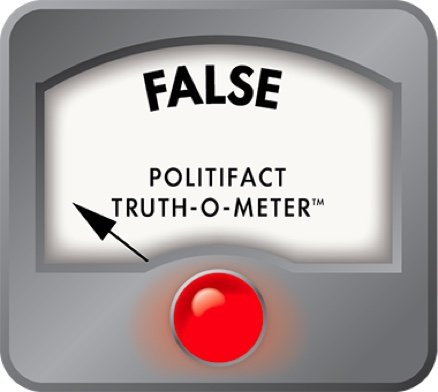
Although the investigation is early and ongoing, there’s no public evidence that Clark and Vazquez were transgender or a couple. The claim is unsubstantiated and we rate it False.
[ad_2]
Source link
