
[ad_1]

Louisiana Survived Katrina, Will It Survive the Petrochemical Industry?
21 years after Katrina, one of the deadliest hurricanes ever to strike the United States, Louisianans are facing a whole new kind of storm. Liquefied natural gas facilities are disrupting the ecosystem and displacing residents, and now that the Trump administration has okayed new LNG plants, things could get much worse. Louisianans are calling their neighborhoods “cancer alley”.
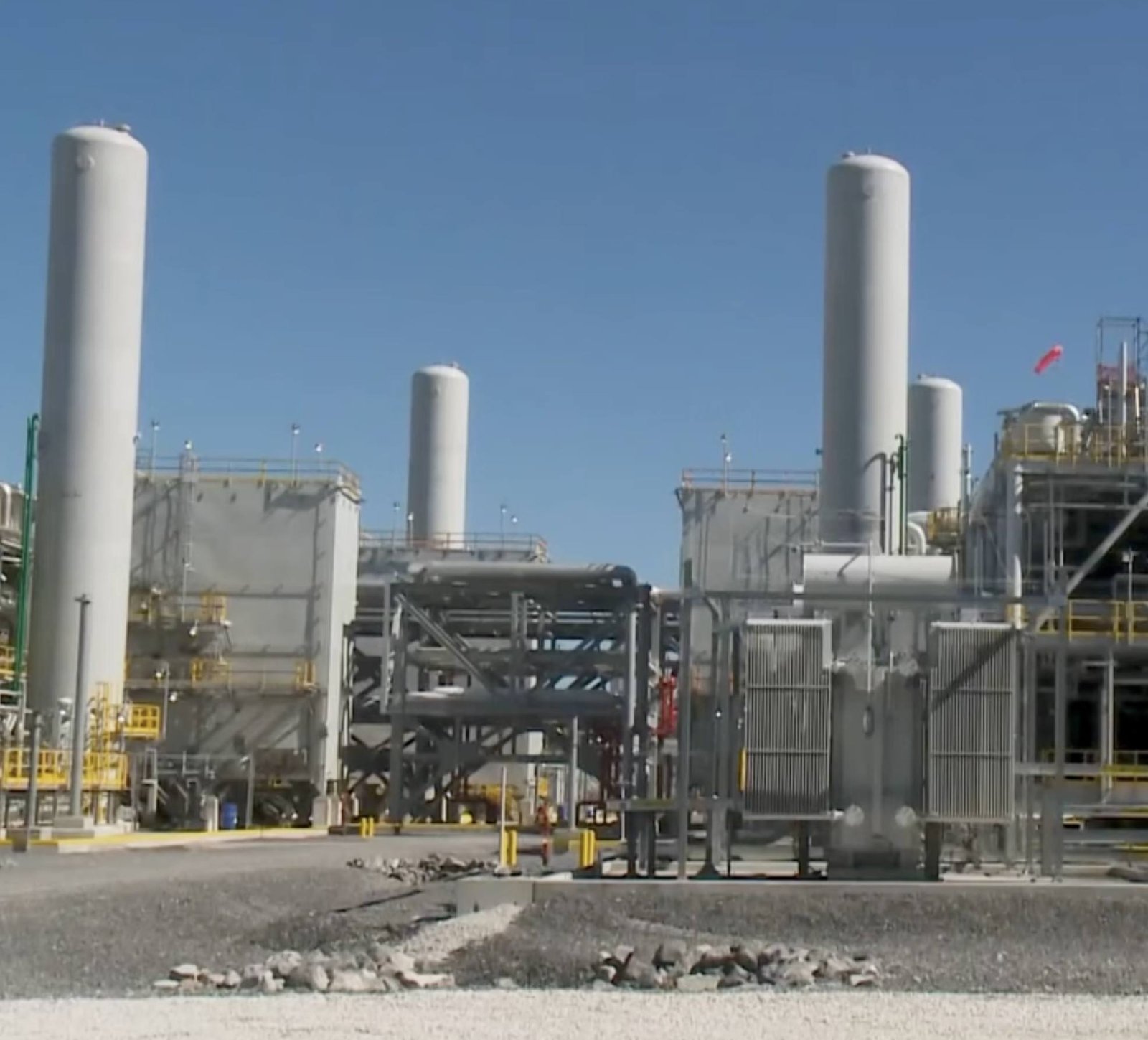
LNG terminals receive, process and cool gas to liquid form before large tanker ships take their products to market overseas. Travis Dardar, an Indigenous shrimp fisherman and two-time climate refugee, says the ships are dredging the waterways and threatening his livelihood. “There’s no way fishermen will coexist with this,” he shares. “We seen a 80% drop with one plant.”
He’s the founder of Fishermen Involved in Sustaining our Heritage or FISH, a coalition of commercial fishermen in rural Cameron Parish that has now expanded across the coast. I also spoke with General Russel L. Honoré, an army veteran and founder of GreenARMY, an alliance of civic, environmental, and community organizations.
“The destruction that’s coming from the increase in fires and floods and hurricanes and tornadoes, the scientists say it’s related to global warming,” he says. “And what [Trump’s] said to the companies? ‘Go do what you want.’”
As of spring 2026, there are at least 32 LNG facilities under construction or proposed in the U.S. 14 of those are in Louisiana, despite warnings about placing these facilities in a high-risk area that has seen destructive hurricanes even since Katrina. Catch this shocking report on public television and radio this week to learn more about the risks of LNG expansion and what it means for people and the planet. And for our podcast listeners, we’re talking all about unions and building worker power to combat authoritarianism.
[ad_2]
Source link
