
[ad_1]
Photo by Joachim Schnürle
GDP grew at a 2.0 percent annual rate in the first quarter, driven by large increases in investment and government spending. Non-residential investment grew at a 10.4 percent annual rate, adding 1.39 percentage points (p.p.) to growth in the quarter. Government spending was also a major contributor to growth, growing at a 4.4 percent rate and adding 0.73 p.p. to growth. Consumption grew at just a 1.6 percent annual rate, adding 1.08 p.p. to growth.
Consumption Was Driven by Health Care
Increased spending on health care accounted for 47.2 percent of the growth in consumption in the quarter. Nominal spending on health care services increased at an 8.3 percent rate in the quarter, while real spending grew at a 4.5 percent rate. Nominal spending is up 7.9 percent from its year-ago level. It is likely that most people don’t distinguish between health care inflation as measured by the statistical agencies and what they are paying for health care, so this rise in nominal spending might be the better measure of the perceived burden of health care expenses.
Financial services was the only other component of consumption showing rapid growth, increasing at a 4.6 percent rate. Durable goods consumption was flat, while consumption of non-durable goods fell at a 0.2 percent rate. Car purchases rose at a 5.2 percent rate, but that followed sharp declines in the prior two quarters.
Spending at hotels and restaurants fell at a 2.8 percent rate after falling at a 1.2 percent rate in the fourth quarter. The fall in these discretionary expenditures likely indicates that people are feeling financially stressed.
Computers and Software Lead Investment, Factory Construction Continues to Fall
Computer investment rose at a 67.4 percent annual rate, while investment in software increased at a 22.6 percent rate, contributing 0.58 p.p. and 0.51 p.p. to the quarter’s growth. This is clearly the story of the AI boom, although these figures do overstate the impact on GDP growth since many of the inputs were imported.
However, the spending has had a major impact on prices. Inflation for computers and related equipment was 18.5 percent in the first quarter.
Most other components of non-residential investment were weak. Investment in transportation equipment fell at a 0.1 percent rate, while structure investment fell at a 0.19 percent rate. This decline was driven largely by the continued decline in factory construction. Factory construction fell at a 22.7 percent rate in the quarter and is now down 21.7 percent from its peak in the third quarter of 2024. There is not much evidence of a manufacturing boom in these data.
Federal Government Spending Bounces Back from Fourth Quarter Decline
Spending by the federal government grew at a 9.3 percent rate after falling at a 16.6 percent rate in the fourth quarter. The drop in the fourth quarter was driven in part by the government shutdown, but also by the fact that many of the DOGE layoffs first took effect in the quarter. Real federal spending is now down 2.3 percent from its third quarter levels and 4.4 percent from the fourth quarter of 2024. It will likely show a substantial increase in the second quarter, when more of the costs of the war in Iran start to appear.
State and local spending increased at a 1.6 percent rate, up slightly from the 1.5 percent rate in the fourth quarter. The reduction in federal money in programs like Medicaid and SNAP is restraining the growth in state and local spending.
Housing Construction Continues to Fall
Residential investment fell at an 8.0 percent rate, subtracting 0.31 p.p. from the quarter’s growth. This is the fifth consecutive decline. Construction is now 4.0 percent below its peak in the first quarter of 2024.
Trade Deficit Subtracts 1.3 P.P. from Growth in the Quarter
A sharp rise in goods imports far outweighed the growth in exports, leading to a substantial rise in the trade deficit. Goods imports rose at a 25.8 percent rate. This was driven in large part by computers and related equipment associated with the boom in data centers. Exports rose at a 12.9 percent rate after falling at a 3.2 percent rate in the third quarter.
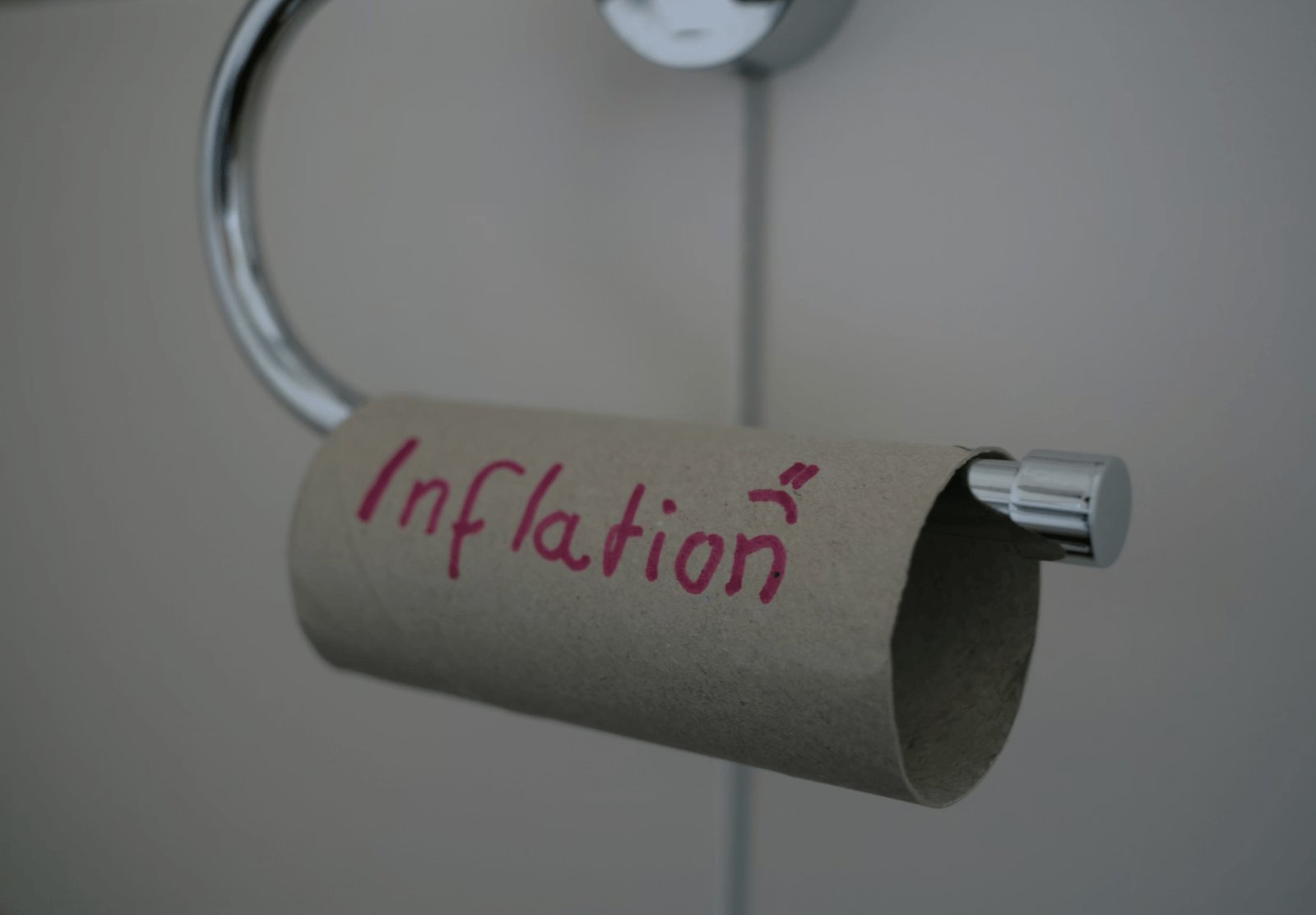
Inflation Comes Roaring Back
The PCE inflation of 4.5 percent was the highest since the 4.7 percent rate in the third quarter of 2022. The surge in energy prices following the start of the Iran war is a major part of the story here, but far from the whole story. Stripping out food and energy, the core PCE rose at a 4.3 percent rate in the quarter. There had been considerable evidence of increased inflationary pressure in the producer price indexes and the imported price index in January and February, before the war began. Also, war-related price increases are yet to be passed through in many areas.
No Evidence of Productivity Boom, Non-Farm Business Sector Value-Added Rises 1.5 Percent
While we had healthy productivity growth at 2.5 percent in 2025, there is no evidence that we are seeing an AI driven productivity boom. Output in the non-farm business sector grew at a 1.5 percent rate in the first quarter. Hours worked are likely to be close to flat, translating into a 1.5 percent rate of increase in productivity for the quarter. There may still be a boom ahead of us, but we are not seeing it yet.

Overall Picture: Modest Growth and Rising Inflation
The outcome of the Iran War will be the major factor determining growth in the second quarter and likely for the rest of the year. The first quarter saw some impact, but it was still relatively limited. Increased war-related spending has not yet shown up in the data. (Defense spending rose at just a 2.3 percent annual rate.) Higher oil prices did start to affect inflation measures, but we are just beginning to see their impact. The war began after two-thirds of the quarter was over and the initial price rises were relatively modest.
Even before the war began the economy was not looking great. Almost half of consumption growth was due to health care spending. Spending on goods was flat and spending on hotels and restaurants was actually falling. Investment in data center-related components was strong, but weak in all other components. And factory construction is plunging. This is not a good picture.
This first appeared on Dean Baker’s Beat the Press blog.
[ad_2]
Source link
