Close Menu
  • Home
  • Alternative News
    • Politics & Policy
    • Independent Journalism
    • Geopolitics & War
    • Economy & Power
    • Investigative Reports
  • Double Speak
    • Media Bias
    • Fact Check & Misinformation
    • Political Spin
    • Propaganda & Narrative
  • Truth or Scare
    • UFO & Extraterrestrial
    • Myth Busting & Debunking
    • Paranormal & Mysteries
    • Conspiracy Theories
  • Contact Us
  • About Us

Subscribe to Updates

Get the latest creative news from FooBar about art, design and business.

What's Hot

Trump’s 50% tariff on Canadian goods proves trade wars don’t work

July 21, 2026

Socialist influencer Hasan Piker is praising Mao. Here’s the truth about Chinese communism.

July 21, 2026

The Day the Grid Failed: The Seventeen Minutes That Exposed the Fragile Foundations of Modern Civilization

July 21, 2026
Facebook X (Twitter) Instagram
TheOthernews
Subscribe
  • Home
  • Alternative News
    • Politics & Policy
    • Independent Journalism
    • Geopolitics & War
    • Economy & Power
    • Investigative Reports
  • Double Speak
    • Media Bias
    • Fact Check & Misinformation
    • Political Spin
    • Propaganda & Narrative
  • Truth or Scare
    • UFO & Extraterrestrial
    • Myth Busting & Debunking
    • Paranormal & Mysteries
    • Conspiracy Theories
  • Contact Us
  • About Us
TheOthernews
Home»Political Spin»How both Biden and Trump helped kill Spirit Airlines
Political Spin

How both Biden and Trump helped kill Spirit Airlines

nickBy nickJuly 7, 2026No Comments3 Mins Read
Facebook Twitter Pinterest LinkedIn Tumblr Email
Share
Facebook Twitter LinkedIn Pinterest Email


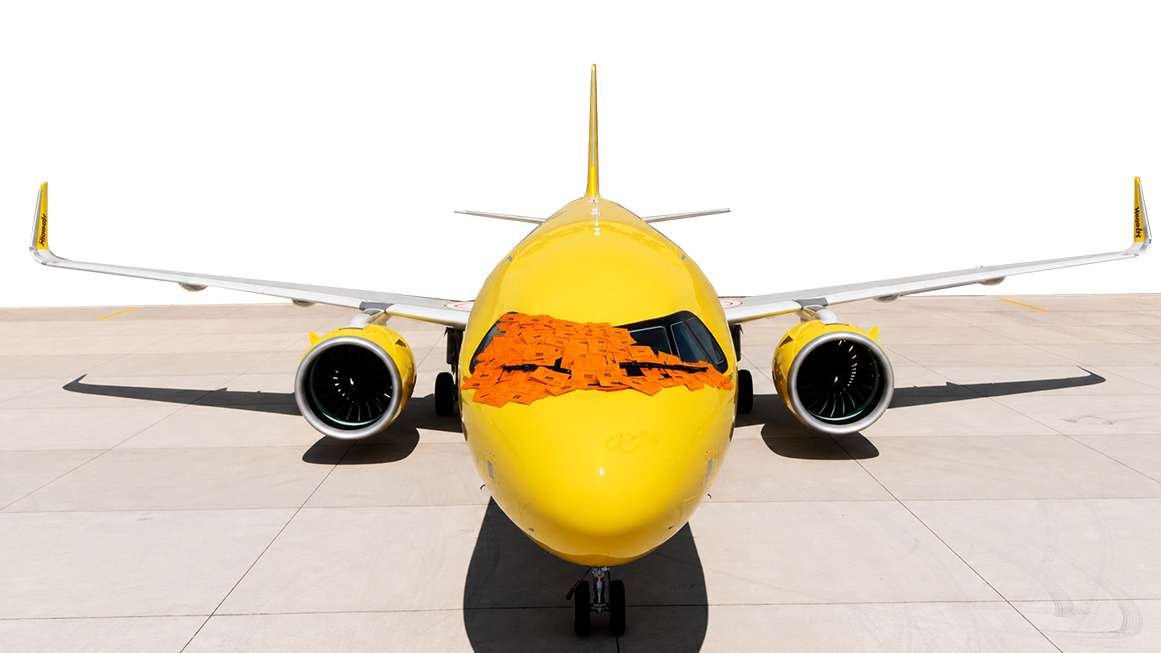
In May, ultra-low-fare Spirit Airlines announced that it would ground all flights and shut down, effective immediately. That happened despite “extensive and comprehensive efforts to restructure the business” and “create a sustainable path forward,” the airline explained in a press release.

Government meddling helped doom Spirit’s attempts to save itself. In July 2022, JetBlue announced that it would acquire Spirit for $3.8 billion. Spirit, which had long thrived on low fares and high profit margins, struggled since the COVID-19 pandemic, and JetBlue’s offer was a last-ditch effort. The Biden administration sued to stop the merger, fearing that a combined carrier would leave too few low-cost competitors. “Spirit’s presence in a market forces other air carriers, including JetBlue, to lower their fares,” the Justice Department explained.

The government prevailed. In January 2024, a federal court blocked the deal as anticompetitive. “To those dedicated customers of Spirit, this one’s for you,” wrote U.S. District Judge William G. Young. Jonathan Kanter, then the assistant attorney general in charge of the Justice Department’s Antitrust Division, called it “a victory for U.S. travelers who deserve lower prices and better choices.”

It wasn’t a victory for Spirit, which declared bankruptcy later that year and again in 2025. Then, in February 2026, President Donald Trump launched a war against Iran, sending oil and gas prices skyward. Between February and May, the price of jet fuel nearly doubled, rising from $2.12 to $4.16 per gallon.

Announcing the end of operations, Spirit cited “the recent material increase in oil prices and other pressures on the business.” But the airline was in dire straits even before the war began.

Weeks before the war, The Air Current reported that “at least two major U.S. airlines” expected Spirit to shutter within days. Frontier Airlines, which had offered to buy Spirit before JetBlue’s offer won out, reopened talks in December 2025, but Spirit again rejected its offer. “Spirit could have survived if they had accepted our agreement and merged with us,” former Frontier CEO Barry Biffle told Forbes.

Airline industry expert Gary Leff thought it would have been a mistake for JetBlue to buy Spirit, but only because the Justice Department had also sued to kill a previously approved partnership with American Airlines that would have let JetBlue access larger markets. “It was a bad antitrust theory,” Leff wrote, that treated such partnerships as illegal “rather than looking at consumer benefit or total competition in the market.”

No single factor is wholly responsible for Spirit’s failure. But any postmortem should note how two successive presidential administrations exacerbated the struggling carrier’s misfortunes.

This article originally appeared in print under the headline “Who Killed Spirit Airlines?.”


Source link

Share. Facebook Twitter Pinterest LinkedIn Tumblr Email
nick
  • Website

Related Posts

Socialist influencer Hasan Piker is praising Mao. Here’s the truth about Chinese communism.

July 21, 2026

Pennsylvania’s top court unanimously rejects warrantless searches of private land

July 21, 2026

I’ve Seen Fake Cites on Both Sides Now (II)

July 21, 2026
Leave A Reply Cancel Reply

Demo
Our Picks

Putin Says Western Sanctions are Akin to Declaration of War

January 9, 2020

Investors Jump into Commodities While Keeping Eye on Recession Risk

January 8, 2020

Marquez Explains Lack of Confidence During Qatar GP Race

January 7, 2020

There’s No Bigger Prospect in World Football Than Pedri

January 6, 2020
Stay In Touch
  • Facebook
  • Twitter
  • Pinterest
  • Instagram
  • YouTube
  • Vimeo
Don't Miss

Trump’s 50% tariff on Canadian goods proves trade wars don’t work

Politics & Policy July 21, 2026

Shortly after the Trump administration announced massive new tariffs on some Canadian imports on Monday,…

Socialist influencer Hasan Piker is praising Mao. Here’s the truth about Chinese communism.

July 21, 2026

The Day the Grid Failed: The Seventeen Minutes That Exposed the Fragile Foundations of Modern Civilization

July 21, 2026

Charming Return of X-Files’ Dana Scully, Brought to You By Legos

July 21, 2026

Subscribe to Updates

Get the latest creative news from SmartMag about art & design.

Facebook X (Twitter) Instagram Pinterest
© 2026 ThemeSphere. Designed by ThemeSphere.

Type above and press Enter to search. Press Esc to cancel.