
[ad_1]
By Mike Ludwig
This article was originally published by Truthout
Trump’s administration omitted microplastics from a list of pollutants for local utilities to monitor in drinking water.
If you’ve ever looked at a disposable bottle of water with suspicion before tossing it into a bin, you’re far from alone. On August 8, leading scientists across globe published an editorial in The Lancet warning there is “strong evidence” that plastics harm human health and natural ecosystems at every stage of production and consumption — from fracking for the fossil fuels used to make plastics, to the microplastics leaching into our bodies and the environment. Plastic waste is projected to triple by 2060 if governments fail to act.
Much of that harm is traced back to more than 16,000 chemicals used in plastic production. Hazardous plastic chemicals include known carcinogens, neurotoxicants, and endocrine disruptors such as phthalates, bisphenols, brominated flame retardants, and per- and polyfluoroalkyl substances (PFAS), a class of highly persistence chemicals linked to a range of health harms, according to The Lancet.
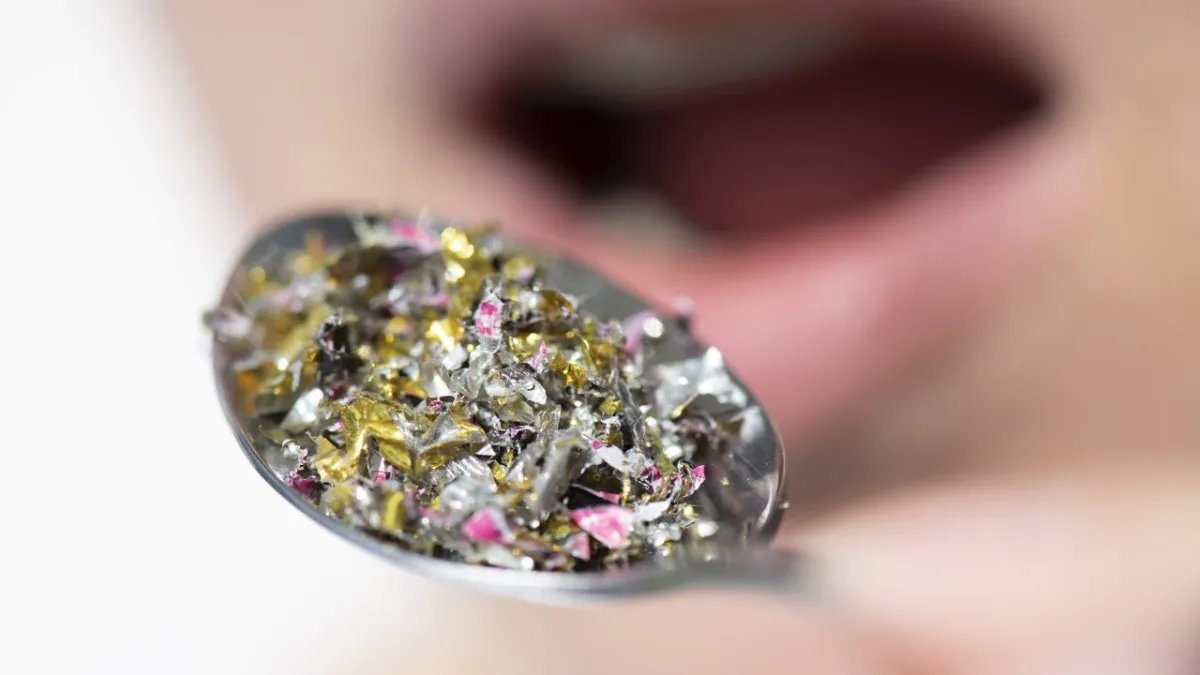
Defined as pieces of plastic less than five millimeters in size, microplastics break down into even smaller nanoplastics that are invisible to the naked eye and notoriously efficient at carrying harmful chemicals into the internal organs of humans and animals. Microplastics also do not go away over time, and their release into the environment could double globally by 2040 unless current levels of pollution are reduced.
According to The Lancet, “microplastics and nanoplastics are everywhere,” from the depths of the ocean to the Arctic, in Himalayan glaciers, and in the air, food, and drinking water people consume daily. Most recently, studies have found microplastics in human lungs and fecal matter, suggesting exposure through inhalation and food, as well as in blood, carotid arteries, hearts, brains, livers, ovaries, and testes, in addition to placentas attached to fetuses.
Alarmingly, drinking water is one of top pathways of exposure to microplastics, and research suggests that tap water in United States has the some of the highest concentrations in the world. Plastic pollution enters the water system in myriad ways; in 2026 alone, volunteers removed more than 1 million plastic pellets released by various industries into rivers, streams, and lakes across 31 states and several foreign countries. Conventional water treatment systems serving most communities cannot completely remove microplastics.
However, opponents of plastic pollution say the Trump administration has effectively delayed nationwide monitoring for microplastics in tap water for at least five years. Without a nationwide monitoring program, scientists and policy makers will struggle to grasp the scope of microplastic contamination and communicate with the public about health risks, according to Trisha Vaidyanathan, the science director at Beyond Plastics.
“Policy doesn’t really need to wait for research to be 100 percent figured out. You can take precautionary action,” Vaidyanathan said in an interview. “We already have lots of evidence about the harms of plastics, especially from the chemical perspective, so we don’t need to wait for research to continue. We know enough now to take action to protect public health.”
In April, Health Secretary Robert F. Kennedy Jr. joined Environmental Protection Agency (EPA) Administrator Lee Zeldin to announce “landmark, coordinated actions” to address microplastic contamination, including a $144 million research project focused on identifying microplastics inside individual human bodies. The EPA also placed microplastics on its draft Contaminant Candidate List, which is published every five years to identify pollutants in drinking water that are not currently regulated but may need to be in the future.
Public health groups applauded the move but cautioned that including microplastics as a candidate for regulation is no replacement for actually developing and enforcing clear drinking water standards. In November 2025, before those changes, the governors of seven states — New Jersey, Delaware, Illinois, Maryland, Michigan, Wisconsin, and Connecticut — petitioned the EPA to place microplastics on a different list — the list of drinking water contaminants of concern that local utilities are required to monitor. Monitoring the scope of the microplastic contamination and associated chemicals in the tap water piped to households is a critical first step toward developing enforceable, nationwide limits, the governors wrote.
However, in July, the EPA omitted microplastics from the draft list of unregulated pollutants that water utilities must monitor over the next five years, which will be finalized this month. By placing microplastics on the “candidate” list for regulation without requiring water treatment plants to test for them and report the data, the Trump administration can take some credit for addressing the issue without incurring the costs of taking what scientists call “precautionary action” to protect public health, according to Vaidyanathan.
“EPA had chance to take some action to monitor level of plastics in drinking water, they did not take that action and are using the need for more research as an excuse, Vaidyanathan said. “When in reality, we now know enough to at the very least start to monitor microplastics in our drinking water, in my opinion.”
The EPA claims that monitoring for microplastics in drinking water is not currently “feasible” and further research on health impacts is needed — a notion that Beyond Plastics says the scientists writing in The Lancet are trying to dispel among policy makers. As Vaidyanathan pointed out, California has already developed a roadmap for monitoring microplastics in runoff and various freshwater and marine ecosystems. The Lancet authors also outlined an analytical framework for combining data from different testing methods.
The Lancet editorial comes amid debate among scientists over studies connecting nanoplastics found in organ tissue to cardiovascular and reproductive diseases, with researchers pointing out methodological uncertainties within studies linking nanoplastics in human tissue directly to specific health problems. But the decades of research tying various chemicals associated with plastics to increased risk of disease and death at all ages is clear, according to The Lancet:
The priority for public health is to act on current evidence of plastics’ harms to health and take scientifically informed, precautionary action to prevent disease and premature death across every stage of the plastic lifecycle, even as research proceeds. Experience with tobacco, asbestos, and lead has shown the grave danger of ignoring early warnings, succumbing to industry-manufactured doubt, and delaying reasonable intervention.
The ongoing debate comes down to the two scientific pathways examining the effect of microplastics on health. The first is the effect of microplastics and nanoplastics themselves upon entering tissue in the human body, which is linked to inflammation and metabolic stress. Research and debate over these effects continues.
“Their physical presence in the body can have an impact on your health — for example, as a foreign object in the body, it is likely triggering an immune response,” Vaidyanathan said. “And I will say, this is a much newer area of research and there are many questions that we need to address.”
Scientists are far more familiar with the second way microplastics cause health problems: by carrying and leaching chemicals into our bodies, including both the chemicals used to make plastic, as well as various non-stick and flame-retardant chemicals added to finished products.
“The chemicals are riding on that microplastic, or the plastic is made up of chemicals itself, and once in your body, those chemicals can leach out into the tissue,” Vaidyanathan said. “The chemical side we know so much more about, and there is a lot of research with some very well-established health impacts.”
Instead of delaying action to provide time for “further research,” Vaidyanathan said the EPA should take precautionary action now and develop nationwide standards for identifying and monitoring nanoplastics in drinking water. That would help scientists identify hotspots and areas to focus cleanup efforts, as well as better communicate potential risks to the public.
Nearly 9 in 10 people in the U.S. are concerned about microplastics being found “in the ocean, the food chain, in land and ocean animals, and human blood and organs; plastic food packaging releasing microplastics into food and drinks; and microplastics being made with chemical additives,” according to a nationwide poll released in June by the Ocean Conservancy.
The best way to reduce our exposure to microplastics and the chemicals they carry is to reduce plastic production, particularly of unnecessary packaging for consumer products, according to Beyond Plastics. Attempting to only identify and remove microplastics from the water supply — or from the bodies of individual patients, as the Trump administration and Kennedy Jr. are promoting — will not be efficient in the long run, Vaidyanathan said.
Indeed, plastic manufacturing relies on the same fossil fuels that cause air pollution and climate disruption, another global threat to human health. Like the previous summits that have so far failed to reduce fossil fuel consumption, negotiators currently meeting at the United Nations to discuss a global treaty on plastic waste are reportedly struggling to meet the ambitious mandate of creating a legally binding instrument to “end plastic pollution.”
“Global plastic production is supposed to also double from 2020 to 2040, and this big push for fracking is a big source of support for that level of production and increase,” Vaidyanathan said.
With negotiations over the UN treaty ongoing, The Lancet authors said policy makers must resist the fossil fuel industry’s efforts to keep measures that would reduce plastic production and consumption off the table. With a new chair of the Intergovernmental Negotiation Committee elected in February, it will be crucial for negotiators to advance a draft treaty that “safeguards human and planetary health and encompasses the entire plastics lifecycle.”
“To date, a small, but powerful bloc of largely petroleum-producing nations has opposed inclusion of upstream provisions limiting plastic production and addressing plastic chemicals, both of which would protect health,” the authors wrote.
This article was originally published by Truthout and is licensed under Creative Commons (CC BY-NC-ND 4.0). Please maintain all links and credits in accordance with our republishing guidelines.
Editor’s Note: At a moment when the once vaunted model of responsible journalism is overwhelmingly the play thing of self-serving billionaires and their corporate scribes, alternatives of integrity are desperately needed, and ScheerPost is one of them. Please support our independent journalism by contributing to our online donation platform, Network for Good, or send a check to our new PO Box. We can’t thank you enough, and promise to keep bringing you this kind of vital news.
You can also make a donation to our PayPal or subscribe to our Patreon.
Please share this story and help us grow our network!
[ad_2]
Source link
