
[ad_1]
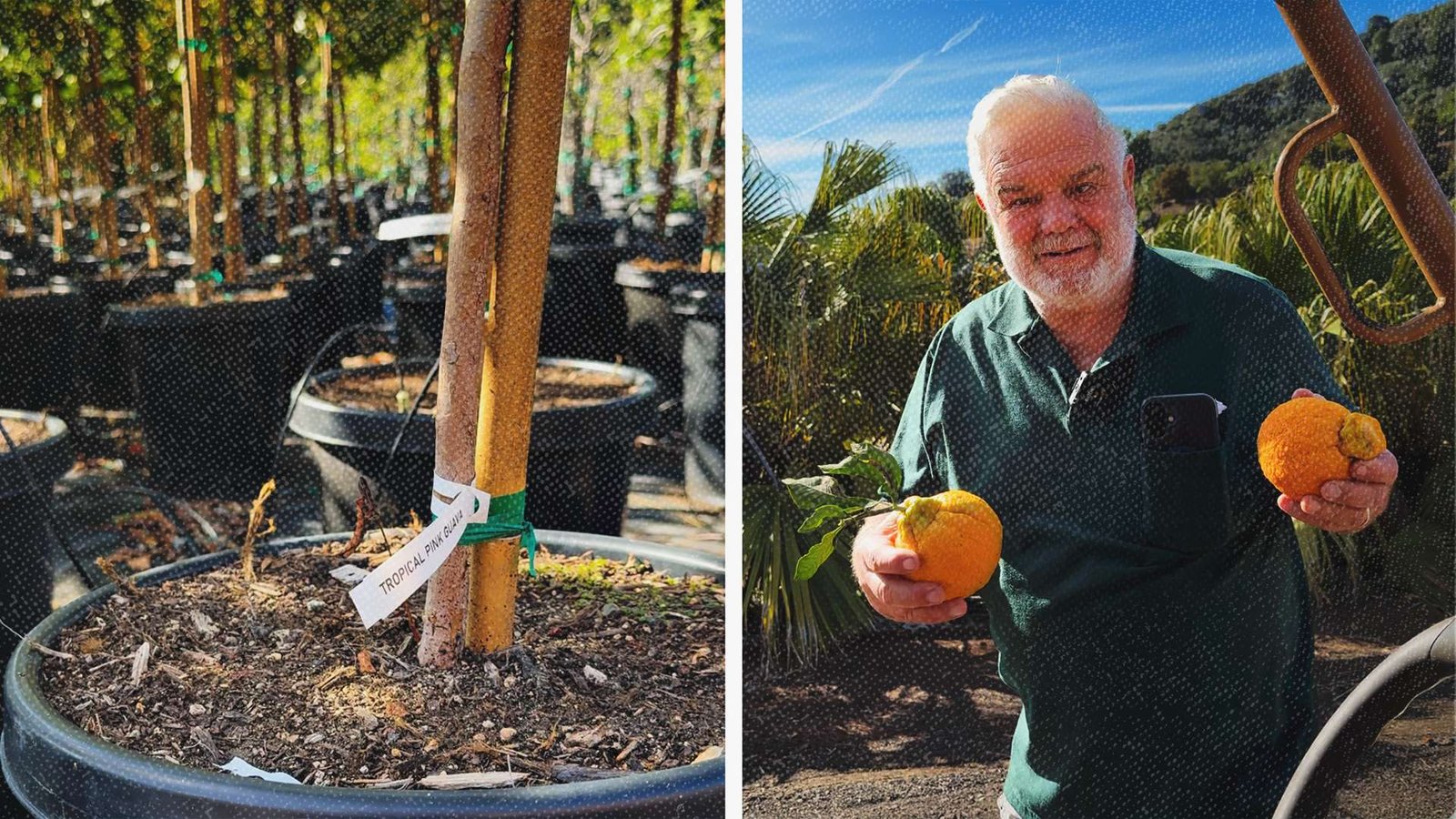
Mark Collins has run Evergreen Wholesale, a 230-acre plant nursery in San Diego, for over 40 years. But this year, he almost had to shut it down after employees from the state agriculture department destroyed more than 32,000 of his citrus plants because of an anti-pest regulation.
Collins is now suing California’s Department of Food and Agriculture (CDFA) in federal court, claiming the state cost him up to $3 million in damages.
Collins’ battle with the state stems from an invasive insect called the Asian citrus psyllid (ACP). The ACP is a tiny speckled brown insect, just one-eighth of an inch long, that has wreaked havoc on the U.S. citrus industry. The bugs carry an incurable malady called huanglongbing, or “citrus greening” disease, which causes infected trees to produce bitter, green fruits. The disease poses no threat to humans or animals, but it causes infected trees to die within a few years and has devastated Florida’s citrus farms.
ACPs were first spotted in California in 2008 and have spread throughout the southern part of the state. Fearing the insects would destroy California’s citrus farms, state regulators issued an emergency order in 2018, which imposed a 5-mile radius quarantine zone around any plant that tested positive for huanglongbing.
Collins, who has lived in both Florida and California, says that ACPs prefer humid climates, but are less of a threat in Escondido, where his farm is located. Still, he anticipated the bug could be a problem, so he built an ACP house, a protective structure for his plants. He says he also took other preventive measures to keep the bugs away, including spraying his plants regularly and treating his soil, but none of that seemed to matter to the state.
In November 2023, the CDFA declared a quarantine zone based on an “undisclosed” finding of huanglongbing disease about five miles away, according to Collins’ lawsuit. That quarantine zone touched one corner of his farm, where Collins says there were no citrus trees.
The lawsuit says the state then gave Collins three “impractical and impossible” choices: He could move all the trees on his land into insect-resistant structures and agree to only sell the plants within the quarantine area after two years; plant all the trees in the ground, which Collins says would take years—and he could not fit them all on his property; or, face the destruction of his stock. To save his business, he opted to put new plants in the ACP houses.
Collins says he responded to the agency’s demands in time, attempting to find a better solution, but he claims the agency “refused” to collaborate with him. Then, in May of 2025, Collins said the CDFA could not produce evidence of ACP on Evergreen’s property during an administrative hearing, and he maintained that his trees were healthy.
A few months later, a judge ordered the CDFA to destroy and remove Collins’ trees, and in January of this year, state agriculture employees arrived at his farm to destroy the plants.
“The abatement action taken on Evergreen Nursery was conducted pursuant to an administrative decision and order after a multiday formal hearing at which Evergreen Nursery was represented by counsel,” a CDFA spokesperson told NBC San Diego. “The abatement was necessary because the nursery opted not to comply with the requirements in the California Code of Regulations applicable to all citrus nursery stock in the quarantine zone. The quarantine zone was imposed based on the detection of [huanglongbing], and additional infected trees have subsequently been found in the area.”
In addition to leaving boxes and buckets scattered throughout his farm, Collins says the state left tree roots, rendering their treatment of the perceived ACP threat moot. After a rainfall, Collins says the trees grew over a foot tall within a few months, so state employees came back to his farm for a second time, leaving another mess.
While state regulators might argue that these measures were necessary to contain the spread of the disease and protect other farms, Collins argues that California’s “heavy-handed regulatory scheme” and “sweeping quarantine zones” have “prevent[ed] small businesses like Evergreen from continuing its operations providing healthy, pest free, affordable citrus plants for public planting.”
In the absence of selling citrus trees, Collins has been able to keep his business afloat because he had previously sold a majority of Evergreen’s business to another farm. Otherwise, he says he would have had to lay off his 24 employees. Despite everything he has lost, he is determined to continue his lawsuit.
“I’m so much of a fan of individual rights, I’m willing to slug it out with them,” he told Reason‘s Bess Byers.
Collins says he asked state officials why they could not just have tested his trees before destroying them, but the state told him they did not have enough funding to do so. But clearly, California did have enough money to chop them down, instead of trusting Collins to take care of his property as he saw fit.
[ad_2]
Source link
