
[ad_1]
The release of massive strategic petroleum reserves in the US, China and Europe, along with austerity measures around the world, have kept the Hormuz crisis from pushing petroleum prices sky-high. They are, however, up 50% or so since the Israel’s Prime Minister Benjamin Netanyahu and US President Donald Trump launched their war of aggression on Iran. The ongoing closure of the Strait of Hormuz by Iran and the counter-closure by the US of Iran’s exports has taken over a billion barrels of petroleum off the market this spring. If the Strait is not opened soon, neither austerity nor releases from reserves will prevent shortfalls from arising. After high prices come actual shortages.
Some countries do not have strategic petroleum reserves and so are already being hit hard by elevated prices for gasoline and diesel, as well as jet fuel. The Philippines has declared a state of emergency and only has 45 days of gasoline and diesel before hitting an economic brick wall. Even the price increases so far seen will have a harsh impact on the Philippine economy. As an agricultural country, it depends on irrigation pumps that are fueled by gasoline or diesel. Shortages of this fuel will limit the crop acreage that can be irrigated and cause crop shortfalls. Fuel shortages are also causing electricity prices to rise.
On top of that, the feed stock for fertilizer is natural gas, and a fifth of the world’s liquefied natural gas exports came from Qatar, which has shut down production because of the Iranian blockade. Worldwide, there is a severe fertilizer shortage that has driven up prices substantially and caused farmers to cut back the acreage they are planting. So the Philippines could witness high food prices next year because of this crisis. There are also thousands of Filipinos in the Gulf as guest workers. Some 6,000 have had to come back, but have lost their income, and the ones in the Gulf are idled, affecting remittances, a big source of the Philippines’ foreign currency earnings.
Further, by mid-summer we may be in the midst of an El Nino, causing temperatures to spike and harming worker productivity, as well as requiring air conditioning, which will put a further strain on energy use.
Some urban Filipinos are turning to electric vehicles such as Vietnam’s Vinfast. Others are switching to motorbikes, far more fuel efficient than automobiles, because they fear not being able to find an electric charger in the country, which still has not built an EV infrastructure.
Many of the same problems are afflicting India, which has seen consumers engage in panic buying of gasoline, facing long lines and potential shortages. Of course, hoarding gasoline will only make the crisis worse.
Some farmers haven’t been able to find diesel for their tractors in this planting season. Long lines of tractors are visible outside gasoline stations in some states, where there are shortages. Agriculture employs 43% of Indians.
Urban areas, of course, are also affected. The major city of Pune in Maharashtra (pop. 7 million) has seen angry rallies and demonstrations over high fuel prices, to the extent that public gatherings have been banned by the police for two weeks. Pune is an IT hub.
Indians are turning to electric vehicles, and the country saw a bigger EV penetration in April than did the US.
India is a country with a big youth bulge, but their employment prospects could be jeopardized by the Hormuz crisis. Families are already cutting back on their food consumption and putting off visits to clinics.
Africans are also especially hard hit, except for the oil state of Nigeria. Much of the South African Air Force helicopter fleet has been grounded for lack of fuel.

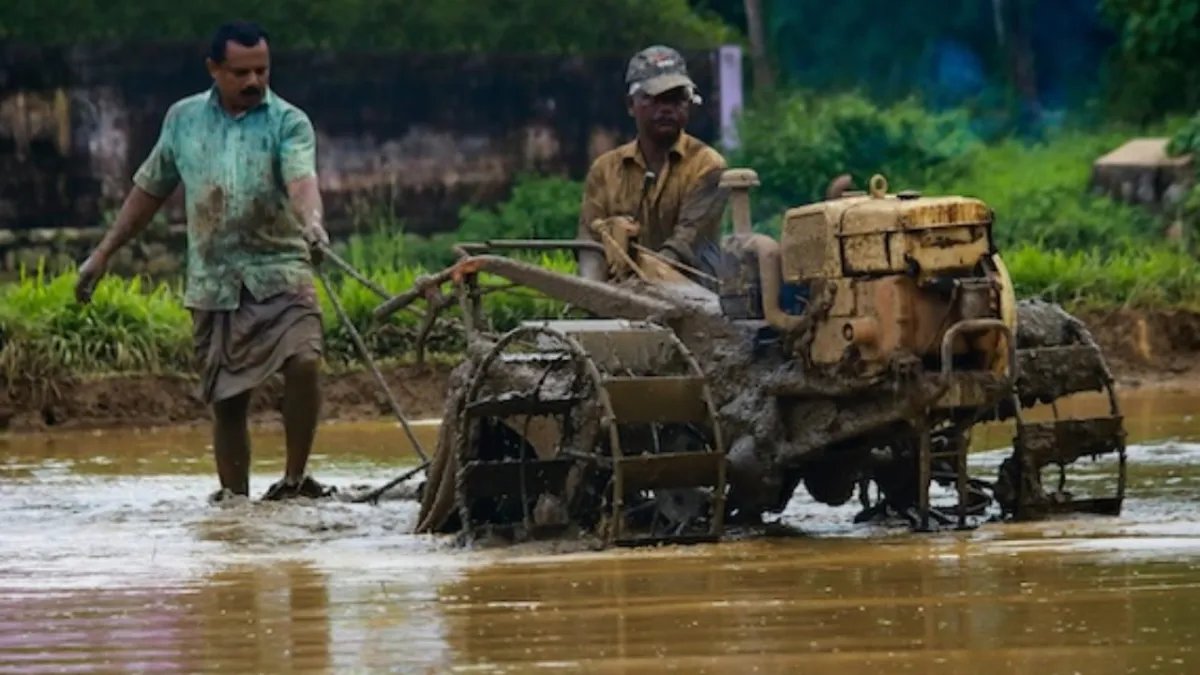
Photo of rice paddy cultivation, Kerala, India, by Nandhu Kumar on Unsplash
Kenya and Mozambique have seen angry protests over fuel prices and clashes with police; 4 protesters were shot to death in Kenya. Kenya’s primary manufacturer of electric motorbikes has seen orders double, and there is also demand for electric three-wheel vehicles used as taxis — tuk-tuks or rickshaws — which are manufactured in Kenya.
A similar rush to electric vehicles is apparent in Southeast Asia, though there mostly people are buying from China.
Many Somali fishermen can’t find diesel to run their trawlers and so are stuck at port, losing money every day. Some Somalis who can get fuel for their vessels are turning to piracy.
Trump and Netanyahu have levied and enormous tax on the entire world through their adventurism in Iran, and the poor will pay the biggest price.
Editor’s Note: At a moment when the once vaunted model of responsible journalism is overwhelmingly the play thing of self-serving billionaires and their corporate scribes, alternatives of integrity are desperately needed, and ScheerPost is one of them. Please support our independent journalism by contributing to our online donation platform, Network for Good, or send a check to our new PO Box. We can’t thank you enough, and promise to keep bringing you this kind of vital news.
You can also make a donation to our PayPal or subscribe to our Patreon.
Please share this story and help us grow our network!
[ad_2]
Source link
