
[ad_1]
Washington and Moscow both enthusiastically celebrated the victory of the Allied “Grand Alliance” over the fascist powers at the end of World War II. Since then, however, the two capitals have typically been on opposite sides of numerous nasty geostrategic struggles around the world. They also have relished opportunities to work with foreign countries and political movements to create major headaches for the other great power.
A crucial recent example of that strategy has been the decision by the United States and its NATO allies to use Ukraine as a military proxy against the Russian Federation and its leader, Vladimir Putin. That approach has achieved some success. Keeping Ukraine in the war has bled Russia physically and economically. Achieving such an outcome has required a substantially greater effort on the part of the great power playing offense, though, than did either of the other two most prominent proxy wars: those in Vietnam and Afghanistan. The United States, other key NATO members, and the alliance as a whole, have been deeply involved in supporting Kiev’s military ventures—including launching air and missile strikes deep inside Russian territory.
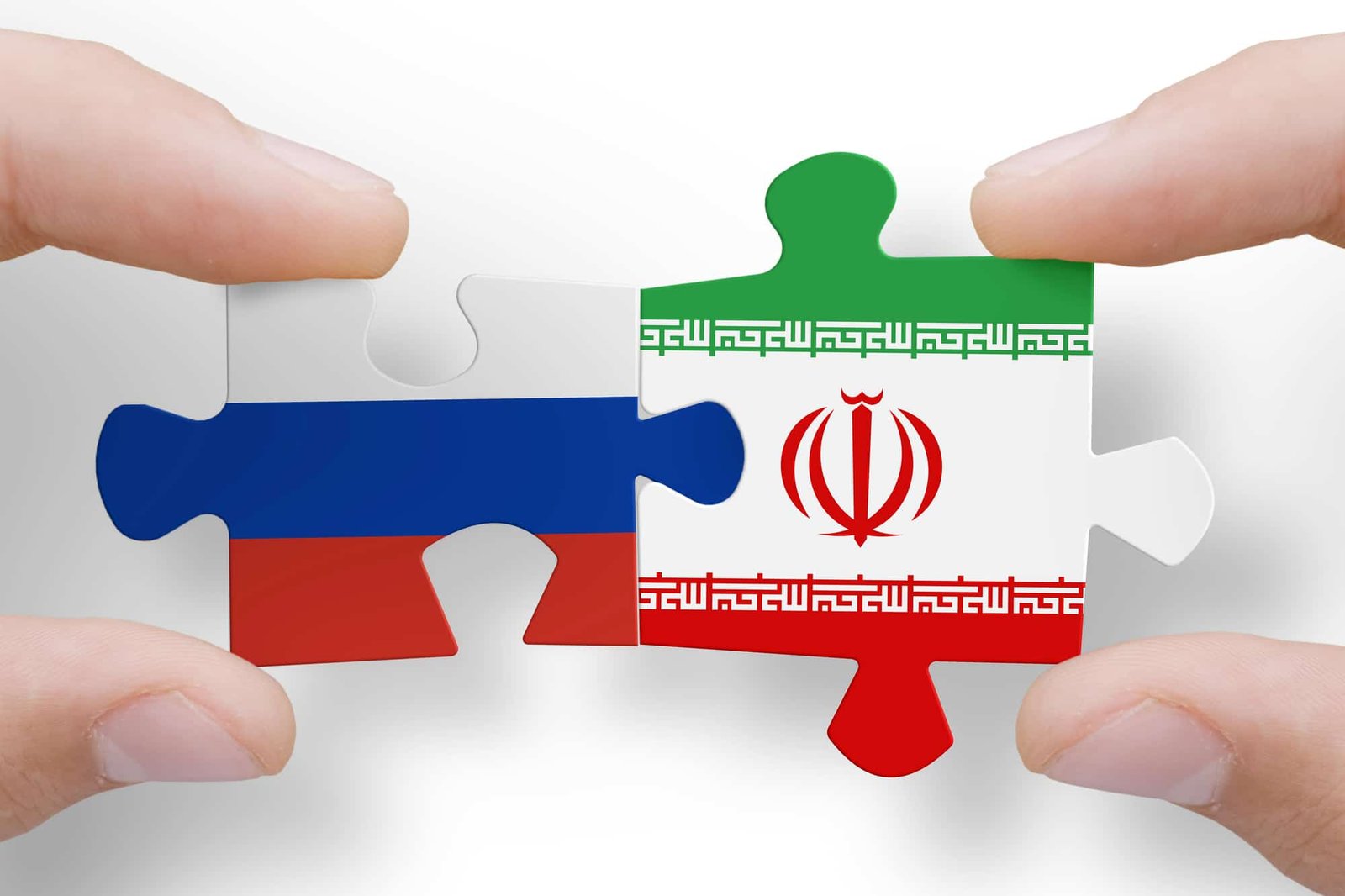
With the onset of the war in Iran, Moscow now has a new opportunity to retaliate against the United States and Ukraine’s other NATO sponsors. Russian leaders are not hesitant about tormenting Washington. Indeed, they are already taking tangible steps to do so. Russia immediately deepened its food and other economic ties with Iran, providing a potential lifeline for that beleaguered country. Evidence emerged in early March 2026 that Moscow was even assisting Tehran militarily by providing crucial intelligence data on U.S. troop movements and other maneuvers. That assistance apparently included giving Iranian units targeting data on U.S. bases in the Middle East. In early May, The Economist reported that Russia was providing highly sophisticated military drones to Iran, adding another phase to the growing partnership on drone technology between Moscow and Tehran.
If true, the reports of Russia giving intelligence data and specific targeting information to Iran would match the extensive level of assistance that the United States and other NATO powers have been giving Kiev in its war against Russia. Such a move could provide a double benefit to Moscow—helping Tehran cause more operational difficulties for the United States in the Middle East and interfering with NATO’s ability to continue assisting Ukraine with its war effort. Boosting Tehran’s ability to resist Washington’s onslaught already has helped drain the stock of weapons in the U.S. arsenal. Such a drain in turn has reduced Washington’s capacity to share those lethal items with other NATO members that have been the principal sources for Ukraine’s armaments. The seemingly endless cycle of waging proxy wars may be entering yet another stage.
The previous proxy wars over the decades have had one important feature in common. The two great power rivals have successfully exploited ill-advised military ventures that the other country pursued. Taking advantage of such folly enabled the opponent to score relatively rewarding victories with minimal risk and effort. The Soviet Union took advantage of the foolish decision by multiple U.S. administrations to intervene in Vietnam’s civil war. Moscow provided financial and military aid to North Vietnam’s communist government and communist insurgents trying to unseat Washington’s client regime in South Vietnam. However, that was the extent of Russia’s risk exposure. The ultimate victory of communist forces in Vietnam (along with similar results in Laos and Cambodia) humiliated the United States while boosting Moscow’s international prestige and influence. That success had taken place at very modest cost and risk to the Kremlin.
The roles of the feuding great powers were reversed in the next foreign arena, though. This time, Moscow committed the folly of making an unnecessary and unproductive commitment. In the late 1970s, the Kremlin helped topple Afghanistan’s royalist government and install a communist successor. That ill-advised power play gave Washington an opportunity to achieve revenge for Moscow’s geopolitical success in Southeast Asia.
President Jimmy Carter’s national security adviser Zbigniew Brzezinski pushed a plan to assist extreme Muslim insurgents, the mujahadeen, who hated the Soviet military occupation and the Kremlin’s entire secular political and social agenda. Washington’s financial and military assistance to Afghan rebel forces increased dramatically during Ronald Reagan’s presidency. The administration’s decision to provide the mujahadeen with Stinger anti-aircraft missiles was especially impactful. The Stingers soon downed numerous Soviet troop transport planes, and the Afghan war rapidly became highly unpopular throughout the USSR. Mikhail Gorbachev’s reformist government soon decided to bring the mission to an end, and the Soviet withdrawal from Afghanistan in 1989 was a mirror image of the humiliating 1974 American withdrawal from Vietnam.
It’s still too early to be certain about the ultimate results of the ongoing proxy wars in Ukraine and Iran. There are opportunities for geopolitical triumphs on either side, but the potential for spectacular failures also exists. Both the United States and Russia would be far better off working to achieve a mutually beneficial rapprochement instead of waging yet another round of proxy wars. But the restraint and wisdom needed to take such a sensible step seem to be lacking in either capital.
[ad_2]
Source link
