
[ad_1]
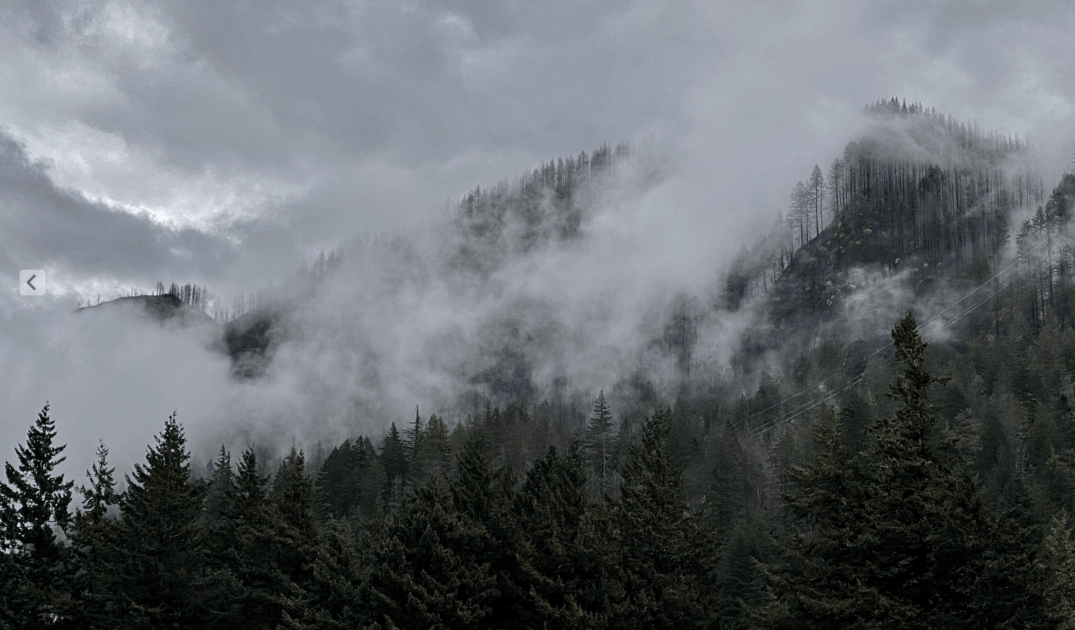
Old-growth forest in the Columbia Wilderness Area, Oregon. Photo: Jeffrey St. Clair.
In a letter to the Forest Service Chief, conservation organizations, trail groups, and retired agency wilderness specialists express strong opposition to requests from commercial outfitters and guides for chainsaw use in designated Wilderness
MISSOULA, MONTANA—Nearly 100 conservation organizations, trail groups, and respected U.S. Forest Service specialists with decades of wilderness administration expertise have written a letter to U.S. Forest Service Chief Tom Schultz expressing strong opposition to requests from commercial outfitters and guides for chainsaw use in designated Wilderness.
The letter comes on the heels of a Wilderness Watch Freedom of Information Act request revealing that the agency is considering nationwide chainsaw use in Wilderness, effectively letting commercial outfitters run chainsaws through Wilderness and the Wilderness Act.
“On behalf of our hundreds of thousands of members and supporters across the country, we write with growing concern over the Forest Service’s apparent consideration of commercial outfitters and guides’ request to use chainsaws for trail and camp clearing across much of the National Wilderness Preservation System….This is a precedent-setting consideration that could significantly impact the National Wilderness Preservation System, legally and practically, by systemically degrading wilderness character and outsourcing the Forest Service’s statutory duties of wilderness administration to third parties, including those with significant commercial conflicts of interest,” states the letter.
Wilderness Watch recently intercepted a letter from the Idaho Outfitters and Guides Association to Forest Service Chief Schultz requesting permission to use chainsaws in Wilderness in Idaho for trail maintenance. In response, Wilderness Watch reached out to the Salmon-Challis National Forest, but was effectively stonewalled. Meanwhile, Wilderness Watch members continued to reach out with tips that led the organization to believe that this effort is not limited to Idaho but has national implications.
Documents Wilderness Watch obtained through the Freedom of Information Act indicate the Forest Service wasn’t being forthright and the Idaho proposal is part of a nationwide effort to let commercial outfitters run chainsaws throughout protected Wilderness areas. According to internal emails, the agency is bringing in an outside contractor to “help address the chainsaws in wilderness issue at the national scale.”
“Chainsaws are prohibited in Wilderness because they represent, and effectuate, a level of domination and control over the landscape that has decimated so many other places. We hope the Forest Service Chief appreciates the seriousness of the authorization he is considering,” said Dana Johnson, Wilderness Watch’s policy director.
“Allowing commercial outfitters and guides to clear wilderness trails with chainsaws, particularly when the authorization is considered at a broad scale, is a foundational affront to wilderness protection on multiple levels,” said Wilderness Watch’s Dana Johnson. “It shows the Forest Service has abandoned its statutory duty to protect these special places from the tools of industrialization, and equally troubling, the Forest Service is putting the chainsaws in the hands of commercial interests. Motorized equipment and commercial enterprise are both prohibited in Wilderness for good reason.”
“Since the passage of the Wilderness Act in 1964 prohibiting the use of chainsaws in federally designated Wilderness, the Forest Service has developed and implemented an enduring national cross-cut saw program that has trained, certified, and supported thousands of highly skilled and dedicated crosscut sawyers—including employees, volunteers, and outfitters. This cadre of dedicated personnel has demonstrated that preservation of wilderness character, trail maintenance, and other wilderness work can all be efficiently and safely accomplished using non-motorized traditional tools. There is no reason for that to change now,” said Suzanne Cable, who retired in 2024 after a 30-year career with the Forest Service, finishing her career as the forest-wide program manager for Recreation, Trails, and Wilderness on the Okanogan-Wenatchee National Forest.
“Designated Wilderness was established to ensure we do not modify all lands and leave none in their natural condition, where only natural sounds abound and where outstanding opportunities for solitude may be cherished,” said Kevin Hood, executive director of Forest Service Employees for Environmental Ethics (FSEEE). “A chainsaw buzzing in a wilderness valley is as jarring as a chainsaw blazing in a church, library, museum or other place of reverence. It does not belong in an area defined as untrammeled, natural, undeveloped and with outstanding opportunities for solitude.”
“Here in the eastern mesophytic hardwood forest region, we have very few designated Wilderness areas compared to out west. We do get tornadoes and other events that drop trees on occasion. That is part of the ‘wilderness experience.’ If chainsaws are used to remove those trees, it is, by definition, no longer Wilderness. If chainsaws are allowed, how long will it be before ORVs are allowed in to facilitate easier access? Those of us who prefer Wilderness do not expect manicured trails. As always, the cheapest form of forest management is to just leave it alone,” said David Nickell, Chair, Heartwood Forest Council.
Additional quotes from the letter:
“Congress prohibited mechanized and motorized uses in Wilderness…Chainsaws, electric or gasoline powered, embody the attitude that human convenience, impatience, and demand come first, and that no place is beyond the reach of our appetite to dominate and control. Chainsaw use fundamentally undermines the goals of the Wilderness Act.”
“Part of the wilderness experience is meeting and experiencing Wilderness on its own terms—an experience that is increasingly rare in our tech-dominated, overly curated world. Visitors may not be able to access everywhere they desire as easily as they desire due to blowdown on trails, but that, too, is part of a wilderness experience.”
“To the extent the Forest Service wants to clear trails for access but is understaffed to do so, the lack of non-motorized trail crews is a problem of the Forest Service’s own making. The Forest Service has been using trail crews with crosscut saws in Wilderness for as long as the National Wilderness Preservation System has existed, and even before that. However, over the last decade or two, the agency has been systematically abandoning and defunding its wilderness program and increasingly outsourcing wilderness administration to volunteers and third parties…..The solution to this problem is to recommit to Forest Service wilderness programs and wilderness-compatible stewardship rather than resorting to chainsaws and other prohibited activities that degrade wilderness character.”
“If the Forest Service is seriously considering authorizing chainsaws for trail clearing, either by agency crews or private entities—a precedent setting decision with significant implications for our Wilderness System—the decision should not be made behind closed doors. The public must be properly notified and given the opportunity to comment.”
A copy of the letter to U.S. Forest Service Chief Tom Schultz is available here.
Contacts
Dana Johnson,
Wilderness Watch,
(208) 310-7003,
danajohnson@wildernesswatch.org
Kevin Hood,
Forest Service Employees for Environmental Ethics,
(541) 484-2692,
kevin@fseee.org
Suzanne Cable,
retired U.S. Forest Service,
Wilderness program manager,
suzcablewild@outlook.com
David Nickell,
Heartwood Forest Council
(270) 816-0837,
dnickell57@gmail.com
[ad_2]
Source link
