
[ad_1]
Had Thomas Sankara not been assassinated in 1987 and been allowed to advance Burkina Faso’s development, perhaps the Sahel would have followed his example a generation ago – and things might look very different today.
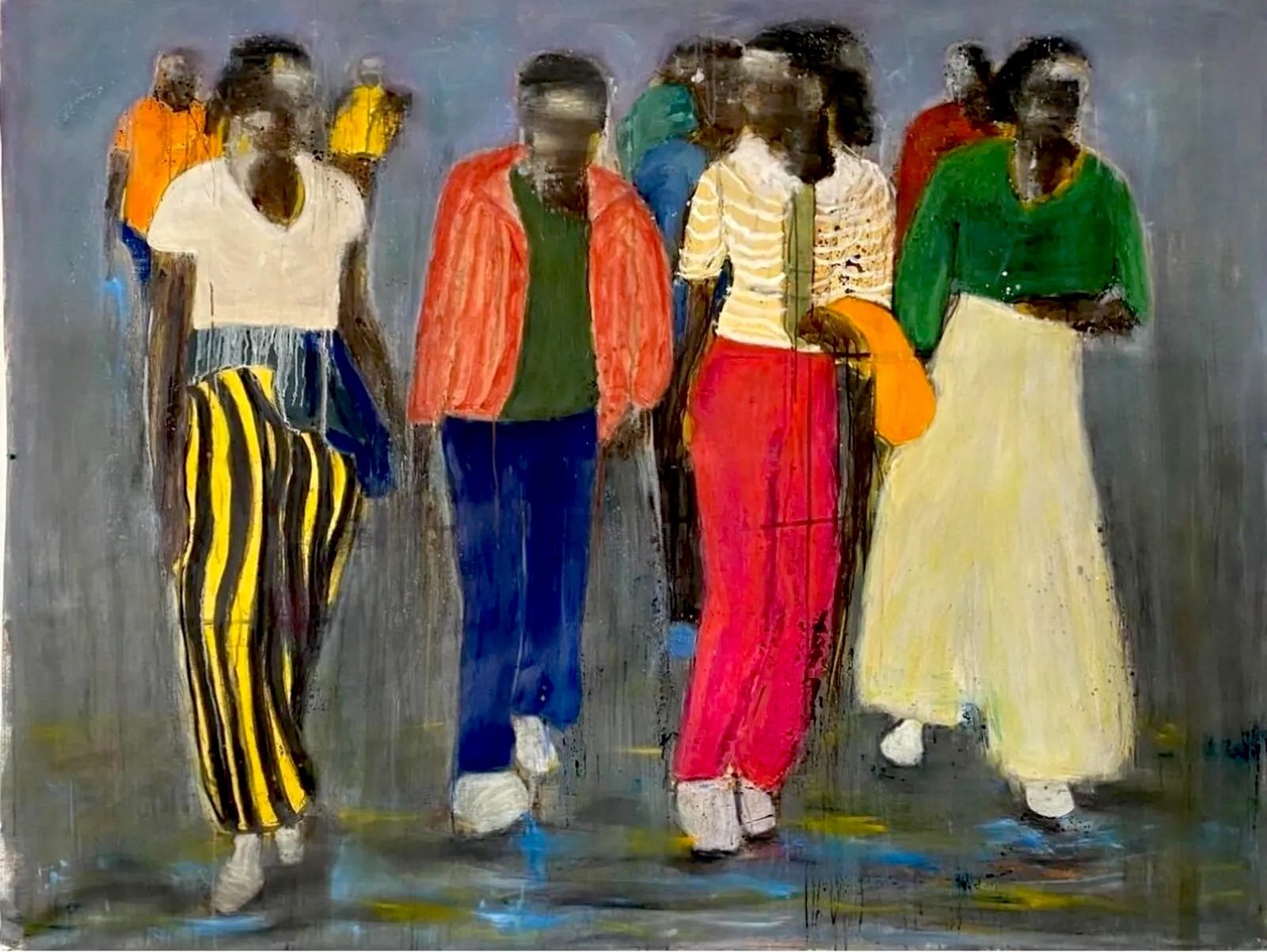
Olga Yaméogo, Burkina Faso, Le soleil est dans vos pieds or The Sun Is at Your Feet, 2023. (Via Tricontinental Institute)
By Vijay Prashad
Tricontinental: Institute for Social Research
 On Oct. 15, 1987, Thomas Sankara, the leader of Burkina Faso, was assassinated alongside 12 of his senior officials.
At the time, which I remember well, there was great confusion as to who had carried out this unforgivable act.
The assassins, too afraid to face Sankara, shot him from behind, hitting him multiple times before targeting those who were at the meeting with him.
Shortly after, one of Sankara’s associates, Blaise Compaoré, defended the coup by claiming that Sankara had endangered relations with France and Côte d’Ivoire, a close French ally.
Thirty-five years later, after a popular rebellion ousted Compaoré, he was found guilty of complicity in the murder, although there was no serious investigation of the role of foreign intelligence agencies (such as France’s).
Yet one question still hangs over the event: why was Sankara really killed?
Communist Officers’ Group
Thomas Sankara (1949–1987) was appointed as prime minister of what was then known as the Republic of Upper Volta in January 1983 under President Jean-Baptiste Ouédraogo, whose government had come to power after the overthrow of Saye Zerbo in November 1982.
After Zerbo’s attempt to crush the trade unions, young military officers associated with the Communist Officers’ Group (Regroupement des officiers communistes, ROC), of which Sankara was a part, helped bring Ouédraogo to power.
Ouédraogo then chose Sankara as his prime minister. Both men cultivated an austere public image, with the young prime minister even bicycling to work.
Uncomfortable with the authoritative presence of the ROC, whom the French wanted removed, Ouédraogo had Sankara put under house arrest and tried to dismiss the other members of the ROC.
In response, a young Compaoré led the Aug. 4, 1983, coup that freed Sankara and brought him to power. Sankara and Compaoré took charge of the Republic of Upper Volta, which Sankara quickly renamed Burkina Faso (the Land of Upright People).
Lost Progress
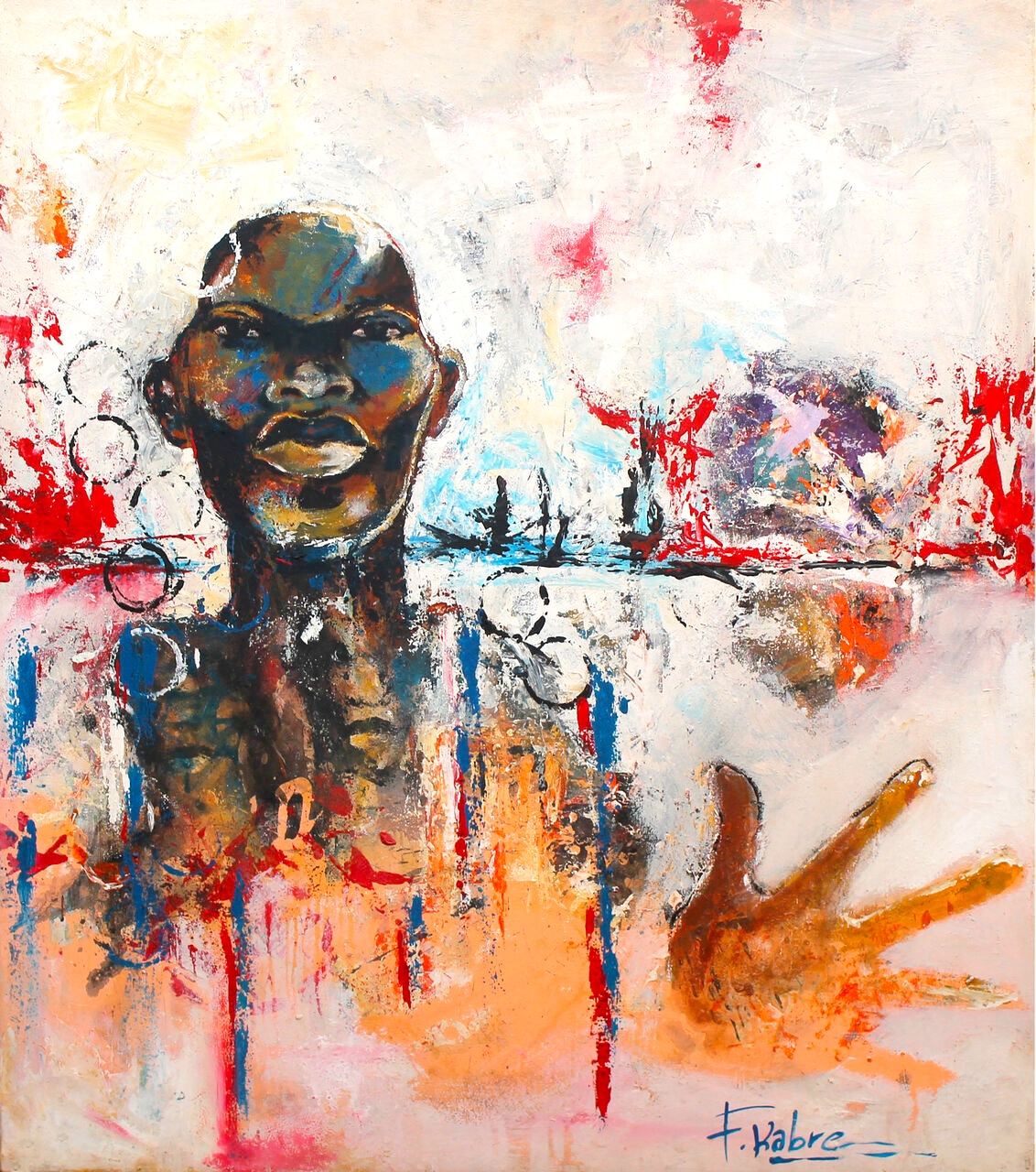
Fidèle Kabre, Burkina Faso, Bouba, 2018. (Via Tricontinental Institute)
A brief glance at Sankara’s agenda for governance shows how much could have been gained by the Burkinabé people had he not been overthrown and killed in 1987.
The most important aspect of the Burkinabé Revolution was the need to mobilise the people into total activity to build their country through the Committees for the Defence of the Revolution (Comités de Défense de la Révolution, CDRs), a concept adopted from the Cuban experience.
It was through the CDRs that Sankara’s government learned what the people needed, developed projects to address these needs and then implemented them.
The main issues on the table were, of course, the same as they were for all peoples of the Global South: education, health, food sovereignty, electricity, shelter, clean water and sanitation infrastructure, decent livelihoods, cultural opportunities and transportation (what are listed in the United Nations’ Sustainable Development Goals).
How to emancipate the people from deprivation was a question that Sankara had asked as a young man, when he had first been attracted to Marxism.
The answer came to him through his practical work in the military and in government:
Burkina Faso had to exercise national sovereignty over its raw materials (above all gold); use that national wealth to build the infrastructure needed for modern life for all Burkinabé (such as transportation, electricity, education, health and water and sanitation infrastructure); and create regional, continental and international linkages that enhanced the people’s sense of self rather than diminished it.
This was the basis of the democratic and popular revolution initiated by Sankara, the Sankarist approach as it began to be known after his assassination.
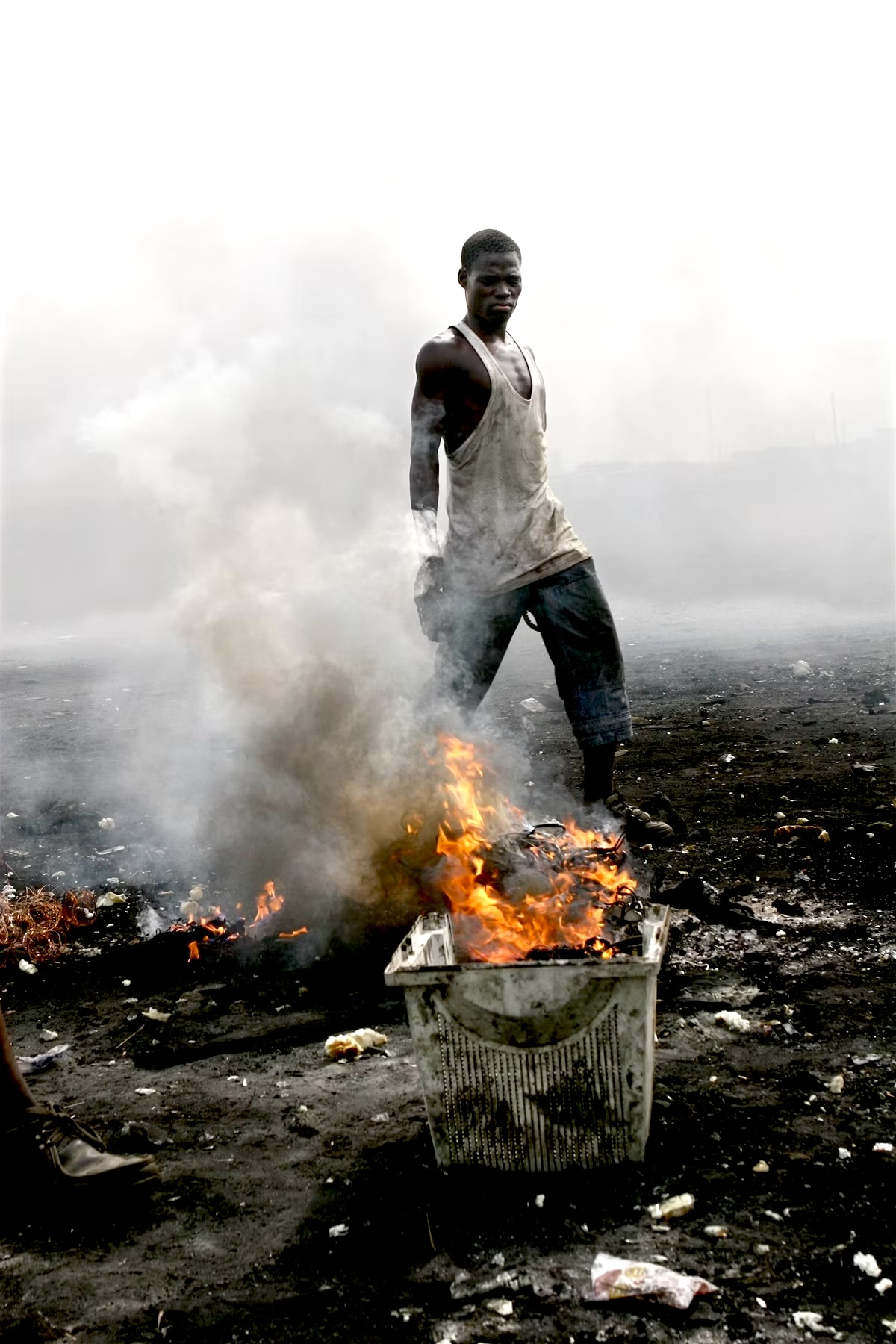
Nyaba Léon Ouédraogo, Burkina Faso, L’enfer du Cuivre or Hell of Copper, 2008. (Via Tricontinental Institute)
Tricontinental‘s most recent dossier, “Class Struggle and Climate Catastrophe in the Sahel” (April 2026), shows how the Sahara Desert and the Sahel, which stretches below it and includes Burkina Faso, are in the grip of climate catastrophe, with turbulent weather patterns disrupting pastoralism, agriculture and trade routes in an area already wracked by violent secessionist conflicts and extremist religious insurgencies.
The detritus of the U.S.-French-NATO destruction of Libya in 2011 has inflamed all the political contradictions across the Sahara-Sahel belt, from Algeria down to Nigeria.
Older conflicts over resources, intensified by climate disasters, have now been augmented by the entry of Jama’at Nusrat ul-Islam wa al-Muslimin (Group for the Support of Islam and Muslims) and the Islamic State in the Greater Sahara.
Large sections of the Sahel region, from Mali to Chad, are in the grip of these groups, which are often brutal to those who do not agree with them.
One of the main reasons for the recent coups in Burkina Faso (2022), Mali (2020 and 2021) and Niger (2023) is that the governments in charge had been far too aligned with the French and had failed to bring basic order and development for the people.
The coups were led by military formations with strikingly similar names: the Mouvement patriotique pour la sauvegarde et la restauration (Patriotic Movement for Safeguard and Restoration) in Burkina Faso, the Comité national pour le salut du peuple (National Committee for the Salvation of the People) in Mali and the Conseil national pour la sauvegarde de la patrie (National Council for the Safeguard of the Homeland) in Niger.
In September 2023, the governments in these three countries came together to form the Alliance of Sahel States. They are navigating a series of overlapping contradictions: imperialism and its regional allies, the climate catastrophe, and the class struggles in their own societies.
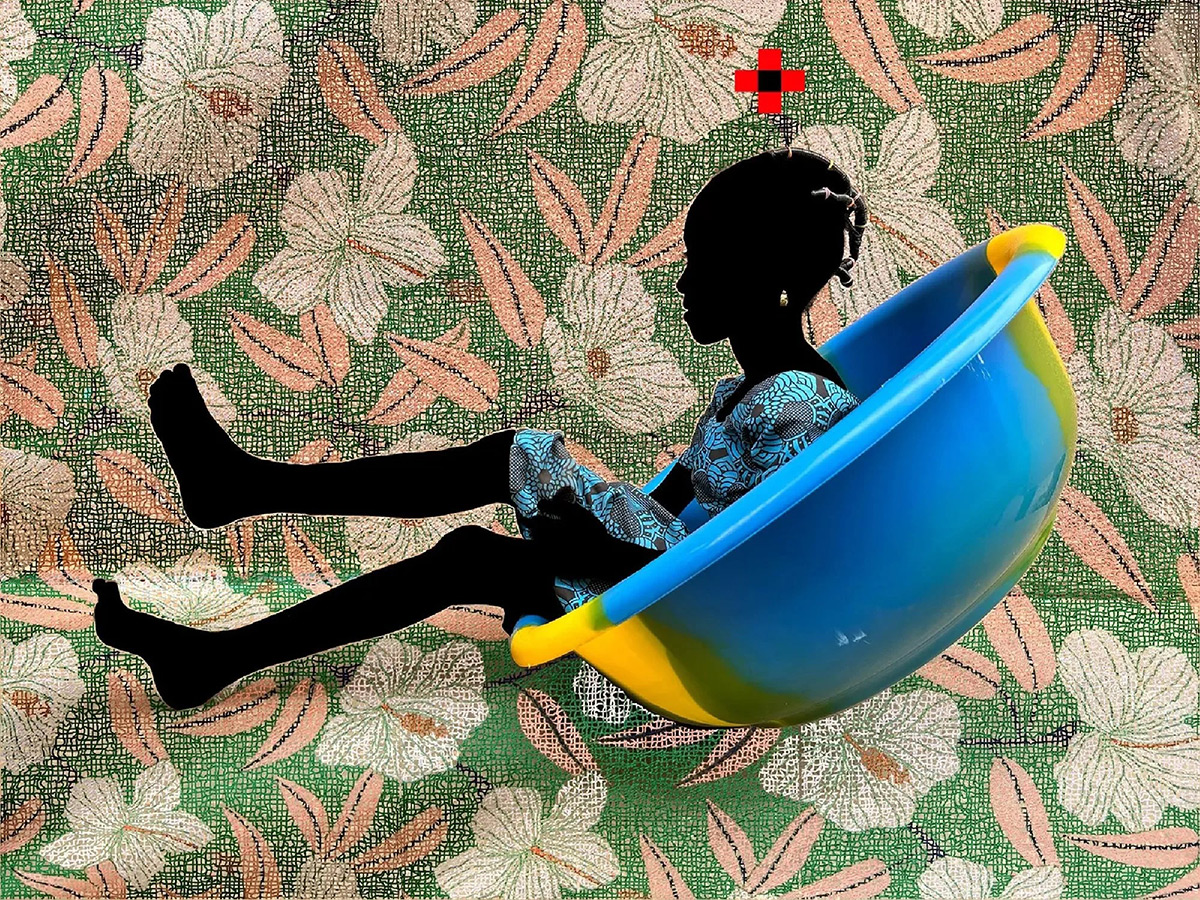
Saidou Dicko, Burkina Faso, Recycling Princess, 2022. (Via Tricontinental Institute)
Tricontinental‘s dossier studies the impact of the climate catastrophe on the states of the Sahel, examining Mali and Sudan in particular through an assessment of the class contradictions in the region.
As the dossier was being put together, I began to think about Sankara’s environmentalism and what it would have done for his country, the region and Africa had he and the Burkinabé had a chance to implement his agenda.
Here, in précis, is Sankara’s agenda.
For Sankara, environmental destruction was a product of the colonial devastation of the land, and so the antidote had to be national and regional environmental stewardship. Nature was not to be treated as a raw material that could be ravaged without care for its own existence.
To that end, Sankara initiated the “Three Struggles” (Les trois luttes) in 1985 against brush fires, uncontrolled logging and stray domesticated animals. Each of these targeted a specific form of ecological degradation.
Brush fires and logging accelerated deforestation, while uncontrolled grazing — the result of the breakdown of communal land management systems under colonial and postcolonial rule — contributed to soil erosion and desertification.
These measures were meant to reverse forms of ecological degradation produced and deepened by colonial rule, which had treated the land as an extractive resource rather than as the basis of collective life.
Meanwhile, the tree planting campaigns “Un village, un bosquet” (One Village, One Grove) and “Une école, un bosquet” (One School, One Grove) were designed to restore tree cover, halt desertification and cultivate environmental responsibility at the village and school level.
The One Village, One Grove project inspired the Landless Workers’ Movement of Brazil to chart out its own National Tree Planting Plan in 2019, with the goal of plating 100 million trees in a decade.
Hunger is produced by reliance upon the market for food and by the lack of resources to produce it (such as land). Sankara argued for agrarian reform and for rural development rather than food aid.
The Sankarist agrarian reform aimed to increase labour productivity through better organisation and modern techniques, develop diversified agriculture with regional specialisation, abolish socio-economic barriers that oppressed the peasantry and make agriculture the mainstay of industrial development.
The revolutionary government also moved to nationalise land and mineral wealth, weaken chiefly control over land allocation, abolish tribute labour and expand irrigation.
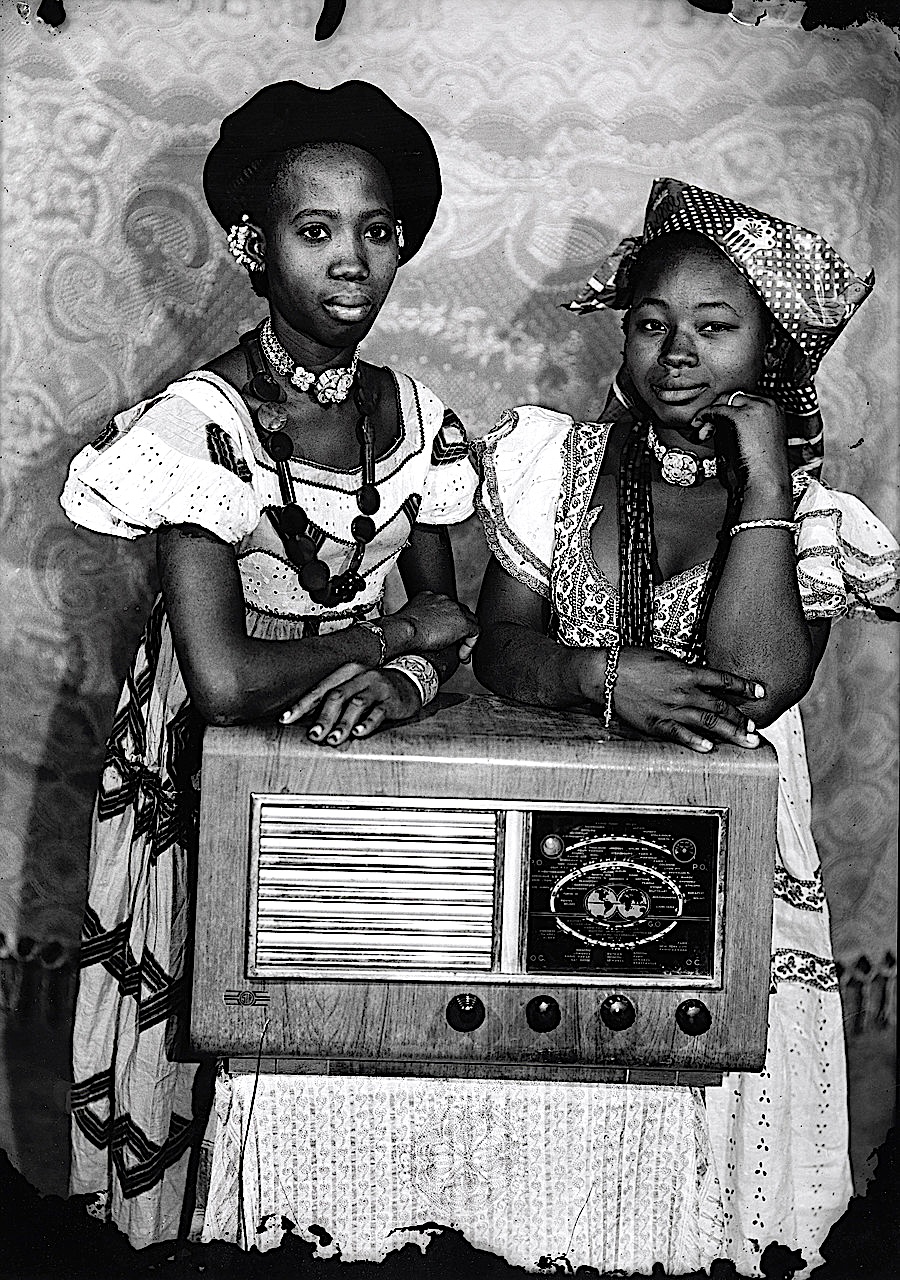
Seydou Keïta, Mali, Untitled, 1948–1954. (Via Tricontinental Institute)
The lack of infrastructure in rural areas forced the peasantry into forms of survival that exhausted the countryside’s resilience. Sankara wanted to increase electrification in the countryside not only to improve living conditions but also to reduce dependence on firewood, such as by providing better cooking stoves to prevent the ruthless exploitation of trees for fuel.
This remains an unresolved question in a country where rural access to electricity was only 5.49 percent in 2023–2024. Sankara was also interested in the development of regional irrigation systems to allow for better canalisation of rainwater into reservoirs and then through water channels.
Finally, the entire process of the CDRs and the Sankarist method was to devolve decision-making to local communities and to allow for resources to be managed by the people rather than by international non-governmental organisations or even the central government.
If these elementary aspects of the Sankarist agenda had been put into place, it is likely that the Sahel region’s agriculturalists and pastoralists would not be facing such deep problems today.
It would have been possible to manage some of the contradictions that have been inflamed into conflicts — particularly in the northern sections of Burkina Faso. Lessons from Burkina Faso could have been drawn by Mali and Niger, and then later by northern Nigeria and Ghana.
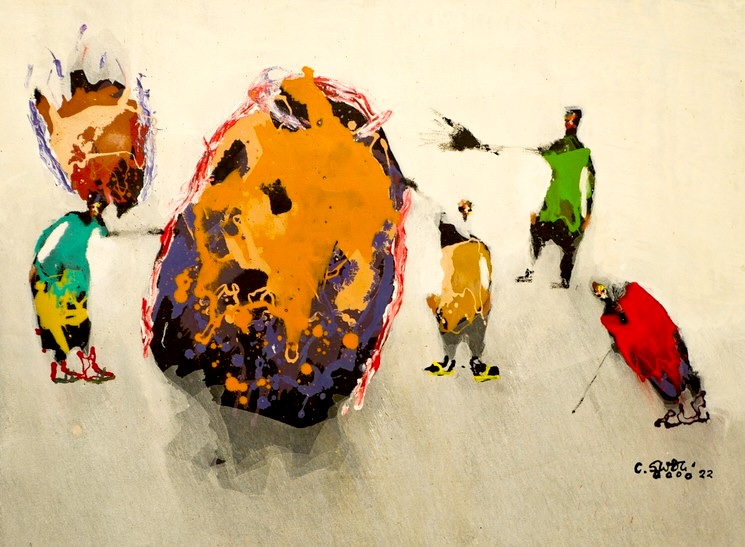
Christophe Sawadogo, Burkina Faso, Le Grenier or The Granary), 2023. (Via Tricontinental Institute)
In 1999, the Ivorian reggae star Alpha Blondy released a song called “Journalistes en danger” (Journalists in Danger). It was about the Burkinabé journalist Norbert Zongo (1949–1998), who had just been assassinated with three others in Ziro Province, Burkina Faso.
He had been investigating the death of David Ouédraogo, the driver of Blaise Compaoré’s brother, François. Twenty thousand people came to Zongo’s funeral.
He was a true believer in journalism and democracy and one of the founders of the Burkinabé Movement for Human and Peoples’ Rights (Mouvement Burkinabè des Droits de l’Homme et des Peuples) in 1989, which was inspired by Sankara’s ideas.
I had visited the organisation on my last trip to Ouagadougou, Burkina Faso’s capital, and felt the weight of Zongo’s legacy. It continues to reverberate, as does that of Sankara, in the Burkina Faso that is being built now.
So, here is Alpha Blondy, telling us about those who want to kill decency and about the need to build something better:
La démocratie du plus fort est toujours la meilleure
C’est comme ça
Au clair de la lune mon ami Zongo.
…
The democracy of the strongest is always the best
That’s how it goes
In the moonlight, my friend Zongo.
Vijay Prashad is an Indian historian, editor and journalist. He is a writing fellow and chief correspondent at Globetrotter. He is an editor of LeftWord Books and the director of Tricontinental: Institute for Social Research. He is a senior non-resident fellow at Chongyang Institute for Financial Studies, Renmin University of China. He has written more than 20 books, including The Darker Nations and The Poorer Nations. His latest books are Struggle Makes Us Human: Learning from Movements for Socialism and, with Noam Chomsky, The Withdrawal: Iraq, Libya, Afghanistan and the Fragility of U.S. Power.
This article is from Tricontinental: Institute for Social Research.
Views expressed in this article may or may not reflect those of Consortium News.
[ad_2]
Source link
