
Federal workers missed paychecks for over 60 days. Congress missed none.
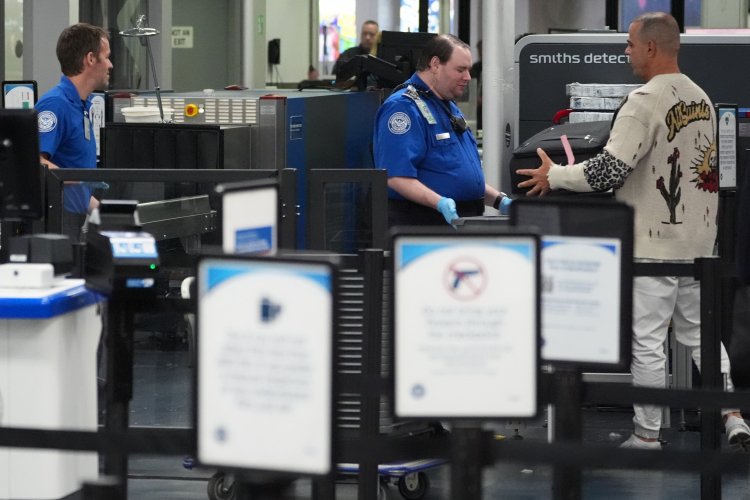
TSA officers screened 3 million passengers a day this spring. They did it without paychecks. Some sold plasma to pay their bills. Others slept in their cars. Some just quit. Sixty days into the longest partial shutdown in American history, Congress returned from its two-week recess and still has not fixed it.
The Senate did try – passing a funding bill by unanimous consent before recess even began. The House went home anyway. Congress eventually returned, and DHS is now recalling furloughed workers on redirected funds that have no congressional appropriation behind them. The executive branch is essentially running a federal agency on financial improvisation because the legislative branch will not do its job. If that does not alarm you, it should.
This is not a partisan problem. A November NBC News poll found that 52% of voters blamed Trump and congressional Republicans for the 2025 shutdown, while 42% blamed congressional Democrats – the highest share of Democratic blame in NBC polling in over 30 years. Both sides have blocked proposals. Both sides have pointed fingers. Both sides have taken a recess while government employees were working without pay. This is a modern Congress problem, and the pattern predates any single party or president.
To understand why it keeps happening, consider how rare it once was. Between 1995 and 2013, the government did not shut down once. An 18-year stretch of Congress doing the bare minimum. Then came the 16-day shutdown in 2013, the 35-day shutdown in 2018 to 2019, the 43-day shutdown in the fall of 2025, and now this. Each one was treated as an extraordinary crisis. Each one became a template for the next. What was once a last resort is now a governing strategy, and a remarkably consequence-free one at that.
The Congressional Budget Office estimated the 2018 to 2019 shutdown shaved 11 billion dollars off the GDP, 3 billion of which was never recovered. The 2013 shutdown cost taxpayers an estimated $2.5 billion dollars in pay for work that never got done. Shutdowns do not save money – they burn it. The bill lands on everyone except the people who caused it: Congress.
That’s the real problem. Article I of the Constitution gives Congress one unambiguous duty: fund the government. Not negotiate forever. Not leverage essential workers as bargaining chips. Fund it. Yet only about 4% of Americans express great confidence in how Congress is being run. Despite the lack of results and confidence, incumbents keep winning reelection, and not a single institutional mechanism exists to track whether Congress performed its most fundamental obligation. We measure GDP, unemployment, and even judicial efficiency. We do not measure whether the people in charge of keeping the lights on actually did. We should. And we should make it public. Only then will accountability follow.
This is why shutdowns continue to happen and are increasing in duration and frequency. The system charges lawmakers nothing for failure. Two changes would fix that immediately. First, automatically delay congressional pay the moment a shutdown begins; members would then collect back pay only once a budget is signed. Next, implement a standing rule in each chamber requiring the session to continue until funding is restored – no new bureaucracy or constitutional amendment required, just a simple rule that says if government workers don’t get paid, then neither does Congress. No one goes home until it’s fixed.
The TSA officer who screened your bags without a paycheck deserved better. So did the Coast Guard servicemember, the FEMA staffer, and the cybersecurity analyst who kept working anyway. They held up their end of the deal. It’s past time Congress held up theirs.
