
[ad_1]
On a recent episode of “The Pitt,” a jaundiced patient learned her liver problems were likely caused by what she’d assumed was a healthy habit — taking a turmeric supplement five times a day.
“With doses that large of turmeric, there have been cases of liver failure,” medical resident Trinity Santos told her.
“From eating a spice?” the yellow-skinned patient exclaimed.
Behind this fictional exchange is a factual concern: The cooking spice turmeric has become a popular anti-inflammatory supplement, but in some cases, it can cause liver injury. It’s a risk posed by a number of supplements marketed as being “natural” or “herbal.”
According to the Drug Induced Liver Injury Network, around 20% of drug-induced liver injury cases are caused by dietary or herbal supplements.
Besides turmeric, some of the biggest “herbal” culprits include green tea extract; the shrub ashwagandha, sometimes referred to as Indian ginseng; the fruit Garcinia Cambogia, from Southeast Asia; and the North American woodland herb known as black cohosh.
Fortunately, cases of liver toxicity from these supplements are rare. People who take them at high doses or who possess certain genetic factors are at greater risk of becoming seriously sick.
Why are these “natural” supplements toxic to the liver?
Unlike over-the-counter and prescription medications, supplements can be sold without any formal government testing for safety and efficacy. A supplement bottle may say its contents are “all-natural,” but the human body can’t tell the difference; the liver metabolizes a supplement just as it would a pharmaceutical.
Store-bought supplements are rarely just ground-up roots and herbs.
“Most are purified concentrates of the herbal extract of the suspected active ingredient,” said Dr. Jay Hoofnagle, National Institutes of Health director of liver disease research. “They are sold in concentrations far higher than can be achieved by ingestion of the unaltered herb.”
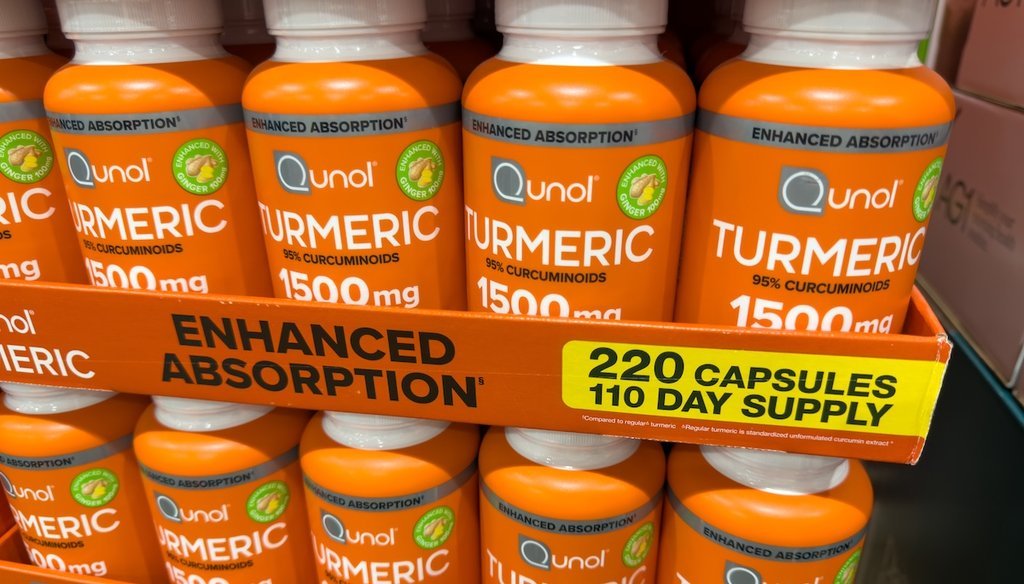
Turmeric used in curry, for example, is different from what is sold in supplements. Such over-the-counter wellness products often contain high concentrations of the active ingredient curcumin, known for its anti-inflammatory and antioxidative properties. Other ingredients, such as black pepper, help accelerate its absorption, making it even more potent.
This version of turmeric is more intense than what people have been using in food and medicinally for centuries. In recent years, it has become one of the most common herbal causes of acute liver injury in the U.S., Hoofnagle said.
Similarly, green tea extract capsules contain about three to eight times more green tea than is in a cup of green tea, Hoofnagle said.
These supplements are frequently mislabeled as well. A 2019 study found that of 272 different herbal and dietary supplements suspected to have caused acute liver injury, more than half either contained ingredients that weren’t listed or lacked ingredients that were.
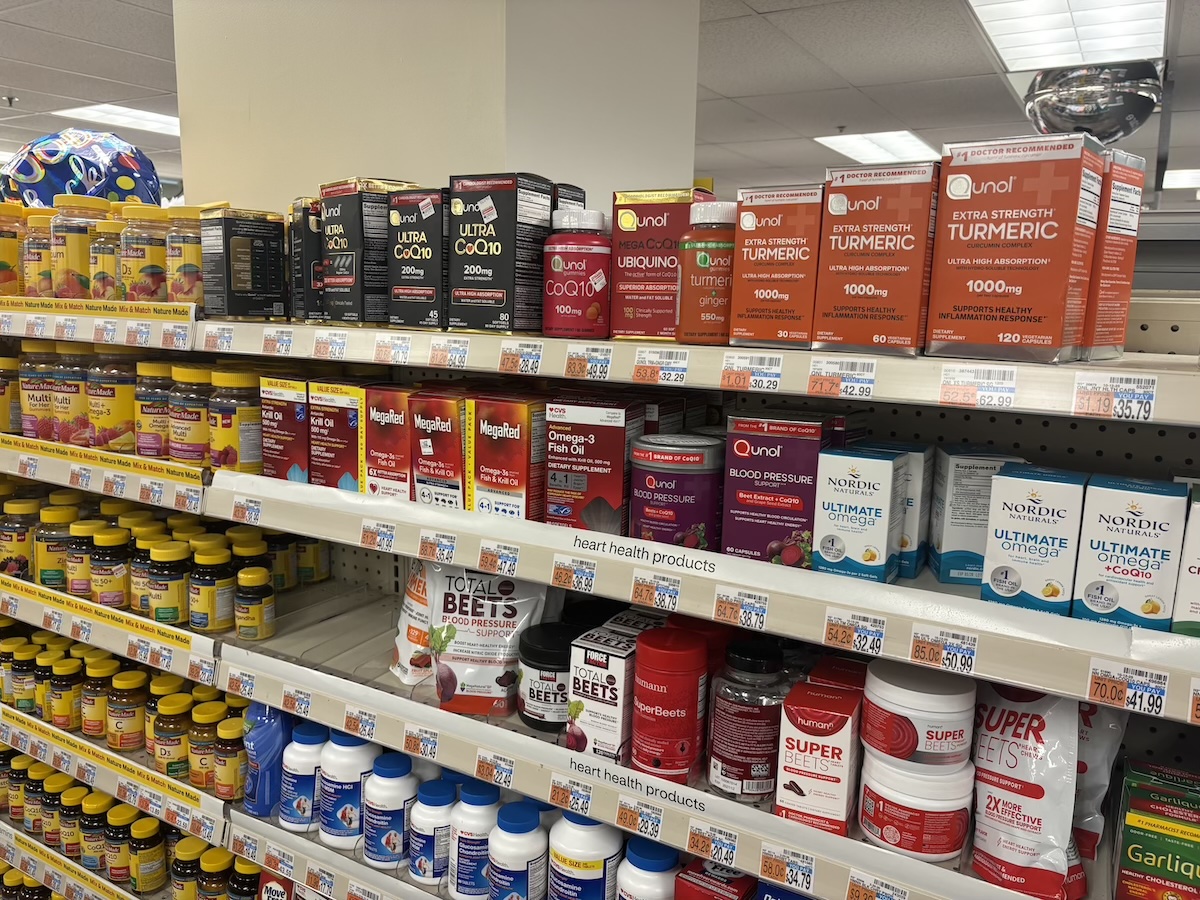
Supplement aisle in CVS store in Washington, D.C. (Grace Abels)
How can you know if a supplement has been linked to liver problems?
A National Institutes of Health searchable database called LiverTox collects information about the toxicity of various medications and supplements.
It shows that chamomile extract and oregano, for example, have not been linked to liver injury, but other herbs like kava, ashwagandha and black cohosh have.
Don’t stop at this online search, though. It’s important to consult your doctor about any supplement before you take it.
Be mindful of the dose
Supplements can be harmful in large doses.
That was the case on “The Pitt.” The World Health Organization recommends no more than 1.4 mg of curcumin per pound daily — around 200 milligrams for a 150-pound person. But the patient was taking 2,500 milligrams a day.
That sounds excessive, but it’s not far from the daily doses some manufacturers sell to U.S. customers. Just because a supplement advertises a pill as “daily dose,” that doesn’t mean it’s been scientifically determined to be a safe or advisable dose.
Figuring out a safe amount isn’t so simple. Because herbal supplements don’t require safety testing, dosing recommendations can vary widely without clear upper limits.
Online recommendations for ashwagandha, taken for sleep and anxiety, range from 60 to 600 milligrams a day, for example.
Talk to your doctor about what a safe dose entails, and to ensure the supplement won’t interact with other medications.
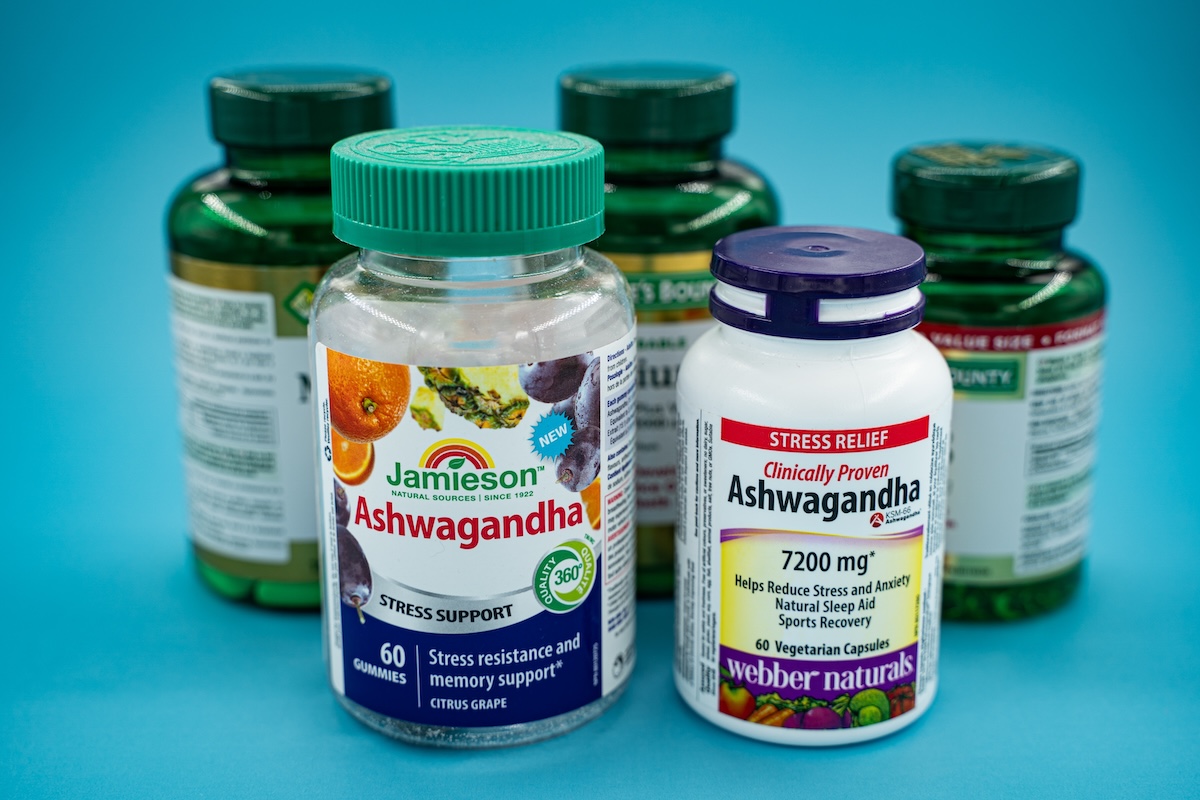
Assorted ashwagandha supplement bottles in Toronto, Canada. (Shutterstock)
Certain people may be more susceptible
Even when taking a reasonable dose, an unlucky few may have dangerous reactions to certain supplements.
Recent research hints that specific genes could predispose some people who take herbal supplements to experience extreme reactions — almost like allergies.
What are the symptoms?
Routine bloodwork from your doctor may be the first sign that your liver is inflamed, as symptoms can take months to show up.
The first symptoms of acute liver injury are loss of appetite, nausea, vomiting, fatigue, and upper abdominal pain. If this is happening, see a doctor right away.
More severe symptoms are jaundice — yellowing of the skin and eyes — dark urine, pale stools, and whole body itching. At this stage, your liver is in dire trouble.
“People with acute liver injury due to drugs or supplements who become jaundiced have about a 10% risk of dying or needing liver transplant,” said Dr. Herbert Bonkovsky, Wake Forest University hepatologist and professor.
In most cases, the liver injury is short-term and the body recovers once a person stops taking the supplement.
[ad_2]
Source link
