
[ad_1]
Q: Skeptics seem to spend a lot of time debunking conspiracies, but for the most part aren’t they harmless? Most people I know just share them for a laugh. Lighten up!
—Karl T.
A: In previous columns, I’ve tackled the harm in believing in psychics and ghosts, and it was inevitable that this question would come up regarding conspiracy theories. Everyone holds mistaken beliefs; it’s just part of being human. We can’t fact-check everything we’re told. Normally this is fine because most of the information we encounter is truthful, or at least accurate for practical purposes. If we’re asking directions and are told our destination is five miles away when in fact it’s seven, that’s not generally a problem (unless we’re very low on gas).
Misinformation is generally only harmful if acted upon; it doesn’t matter what we’re told if it doesn’t influence our decisions or behaviors. Privately held doubts about the safety of vaccines, for example, are harmless as long as they don’t result in anyone refusing vaccinations. Belief in Bigfoot harms no one—unless people act on that belief and spend resources searching for the beast (or die in the process; see the May/June 2025 issue). And so on.
Unlike any given generic false belief, however, conspiracies have an inherently dangerous element: an enemy embedded in the narrative. Conspiracies, after all, are grounded in the assumption that hidden cabals are controlling the world. These powerful, shadowy groups—such as Satanists or the Illuminati—are the enemy, and their evil influences are there for all to see (if you just know how to read the signs, recognizing, for example, that what appears to be a tragic school shooting is instead a devious false flag operation).
Conspiracy beliefs are linked to personality characteristics such as low interpersonal trust; acceptance of other unusual or related beliefs; paranoia; feelings of personal, social, and political alienation; and feelings of victimization. This last aspect is especially important; people who feel victimized tend to feel justified in retaliation against their real or perceived enemies. (For more on conspiracies in the context of “enemy” drone reports, see Mick West’s column in this issue.)
It is undeniably true, as Karl noted in the original question, that for many people sharing and discussing conspiracies and urban legends, it’s harmless social media fun. Not everyone—in fact, arguably, few people—necessarily read or believe all the clickbait misinformation they see or share. But some small percentage does, and in some cases belief in conspiracies can provoke violence.
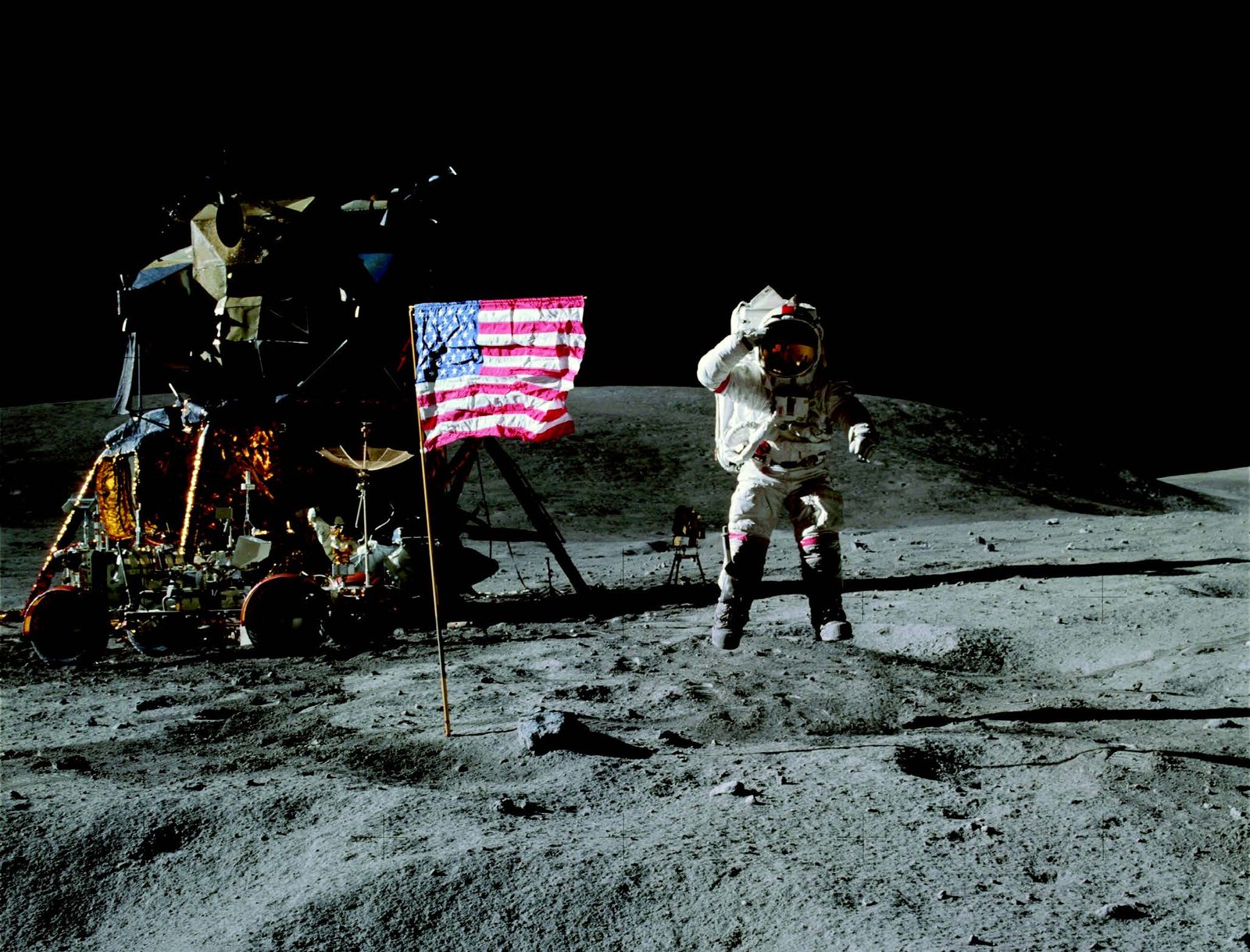
Jared Loughner, the gunman who killed six people and injured fourteen others, including Rep. Gabrielle Giffords, in a 2011 Tucson shooting, advocated conspiracy theories. Laughner endorsed conspiracy theories about the September 11 attacks, faked NASA programs, and that the New World Order is enslaving citizens through central banking systems. Aaron Alexis, a government contractor who killed a dozen people and injured eight others at the Washington Navy Yard in September 2013, believed he had been harassed through a government mind control program. On Christmas morning 2020, a bomb inside a motor home detonated in downtown Nashville, Tennessee. Inside was Anthony Warner, age sixty-three, who embraced many wild conspiracy theories, including that the world is run by a secret cabal of Reptilians, a race of lizard people. The QAnon “Pizzagate” conspiracies that Alex Jones and others promoted resulted in a man shooting a gun in a pizza shop rumored to have been involved in child sex trafficking. And so on.
Of course, most violent people are not conspiracy theorists, most mentally ill people are not violent, and most conspiracy believers are not violent. Though conspiracy beliefs themselves do not cause violence, they can give a name and form to otherwise generalized rage and helplessness and set the stage for violent actions.
Another facet is that conspiracy theories tend to come in clusters, as the examples above illustrate. If a person believes one or two conspiracies, they are far more likely to not only endorse others but accept new ones as well. This has implications for behavior, because the false beliefs are not compartmentalized; for example, belief in astrology likely would have no effect on the way a doctor treats her patients, but belief in a Big Pharma conspiracy likely would.
Conspiracy theories can easily be used as the stated or implicit basis for making both personal and policy decisions. If you believe that vaccines are part of a secret plot to sterilize certain segments of society, that can have very real consequences for you, your family, and your community. If you are in a position of power and believe that global warming is a hoax and that the world’s scientists are part of a conspiracy to perpetuate that myth, that will likely influence your policy decisions.
The real problem is conspiracy belief combined with the will and ability to make decisions for others based on those beliefs. This is one reason the many conspiracist appointments to high-level positions in the Trump administration is particularly concerning. The most obvious example is Robert F. Kennedy Jr.’s ardent promotion of anti-vaccination conspiracy theories, considering he holds the office of the secretary of the Department of Health and Human Services. In that capacity, he has demonstrated his willingness to set official policy based on his beliefs. Donald Trump appointed prominent election fraud conspiracy promoter Gregg Phillips to the Federal Emergency Management Agency’s powerful Office of Response and Recovery; in that capacity, Phillips makes recommendations on whether federal disaster declarations and aid are warranted.
The common cognitive bias toward confirmation bias is amplified in conspiracy believers. People who are inherently suspicious of most of what they’re told tend to embrace conspiracy theories; they typically cherry-pick their trusted sources; they believe government sources are engaging in perpetual cover-ups unless of course they claim to be whistleblowers that echo their beliefs, in which case they’re bravely telling the unvarnished Truth. This can lead to people in positions of power dismissing valid information that could be used to inform policy as misinformation by the “deep state” simply because it doesn’t comport with their beliefs and assumptions.
Yes, many conspiracies are harmless. Those aren’t the ones skeptics are worried about—and if skeptics come off as humorless debunking wet blankets when you share them, it’s in service of encouraging critical thinking about all of them. No matter how silly or obviously implausible a given conspiracy theory or meme is to you, it’s a statistical likelihood—given the reach of social media platforms—that someone, somewhere will see what you shared and believe it.
[ad_2]
Source link
