
[ad_1]
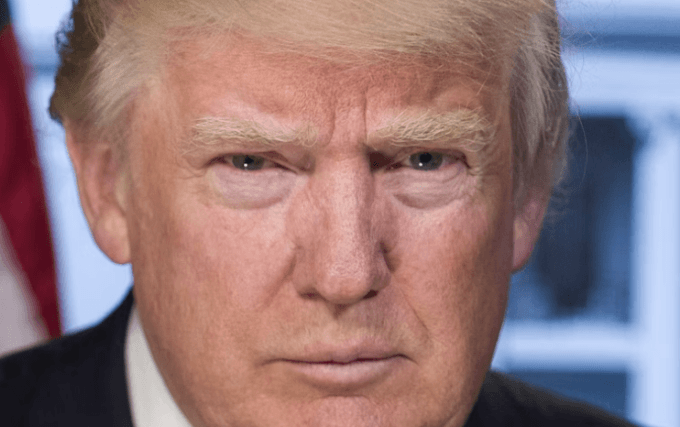
Image Library of Congress.
As I close out another school year as a US History and Government teacher on the 250th anniversary of the signing of the Declaration of Independence, I thought it would be appropriate to reflect on our nation’s founding ideals within the context of where we are as a country politically. The 13 colonies revolted against a monarchy, with the aspiration to establish a government devoted to Enlightenment principles of human rights. This fledgling country was founded on the ideals of protecting “life, liberty, and the pursuit of happiness.” Essential to this ideal, the framers based the idea of government on the consent of the governed, establishing that governments derive their power to rule from the people, not from a king or despot.
The colonists despised monarchy, having risked their lives fighting for independence and autonomy. Consequently, when the newly independent states created their first constitution, the Articles of Confederation, there was no executive branch. The people feared that a strong central government would threaten citizens’ rights. That weak government failed, so a new framework of government was created that included a President. Under the Constitution, this executive would be constrained by Congress. Congress issues orders, and the President executes them.
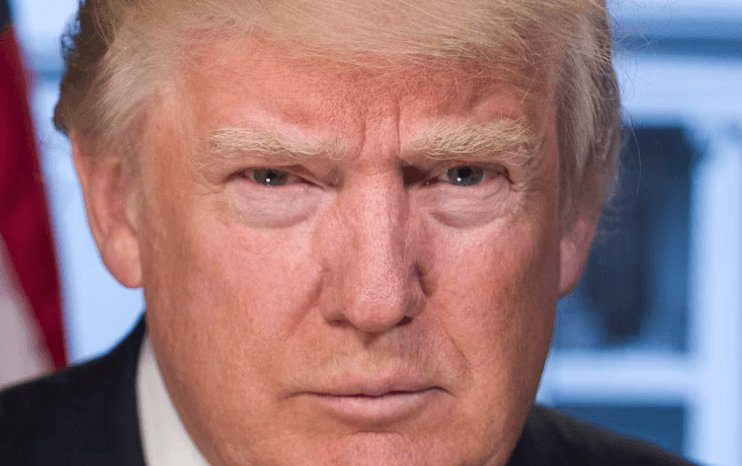
Two hundred and fifty years later, our country is facing a crisis. Donald J. Trump is acting more like a monarch than an elected executive. Three examples of this include: keeping standing armies on the streets during peacetime, the President’s attempts at taxation without representation, and interfering with the judicial system.
One of the many grievances the colonists had against King George was their accusation that he was maintaining standing armies in their streets to enforce British law, intimidate the colonists, and infringe on their liberty. The king imposed this without the consent of colonial legislatures. President Trump has engaged in similar acts. For example, last year, Mr. Trump deployed the National Guard in several states, including California, Oregon, and Illinois, against the governors’ wishes. More recently, he has used armed federal agents in Minneapolis, Minnesota, to enforce an immigration crackdown that resulted in the deaths of two Americans.
Another grievance that colonists had was the imposition of taxes without consent and the cutting off of their trade. The colonists had no colonial representatives in the British Parliament but were forced to pay taxes to the Crown. Last April, when the President announced his “Liberation Day” and unilaterally applied tariffs on imports from almost 100 countries, he usurped congressional authority and imposed what is essentially a national sales tax. The Constitution clearly gives Congress alone the power to tax.
Finally, the last example of Mr. Trump acting more like a king than an elected president is his interference in the courts. According to the Declaration of Independence, the colonists accused the King of destroying the rule of law and obstructing judicial powers. Mr. Trump has repeatedly undermined the judicial system by granting pardons to convicted felons, including the perpetrators involved in the January 6th insurrection, some of whom were serving lengthy sentences for assaulting police officers. The most controversial abuse of this power occurred when he pardoned Honduran President Juan Orlando Hernández, who was convicted in federal court and sentenced to 45 years in prison for running Honduras as a “narco-state.” Beyond these examples, the administration’s actions have further undermined the judicial branch; most tragically, the deportation of Kilmar Abrego Garcia, which was carried out against a 2019 court order barring his removal due to fears of persecution by MS-13. Garcia spent over three months in a prison in El Salvador while the administration claimed it could not retrieve him.
These are just a few examples of how the current president is acting more like a king than an elected executive. As Americans prepare to celebrate the nation’s 250th anniversary, we should be reminded of how many colonial grievances against King George III now apply to President Trump. In the context of the current state of the presidency, the Declaration of Independence reads more like articles of impeachment against Mr. Trump rather than a 250-year-old rebuke of King George III.
[ad_2]
Source link
