
[ad_1]
Even if you’re not typically averse to bugs, the idea of raising and then releasing thousands of insects into the wild might give you the heebie-jeebies.
But if it helps you rest easier, the mass release of sterile male insects is a long-standing means of insect population control, and it’s now being used to slow the spread of vector-borne diseases, including those carried by mosquitoes.
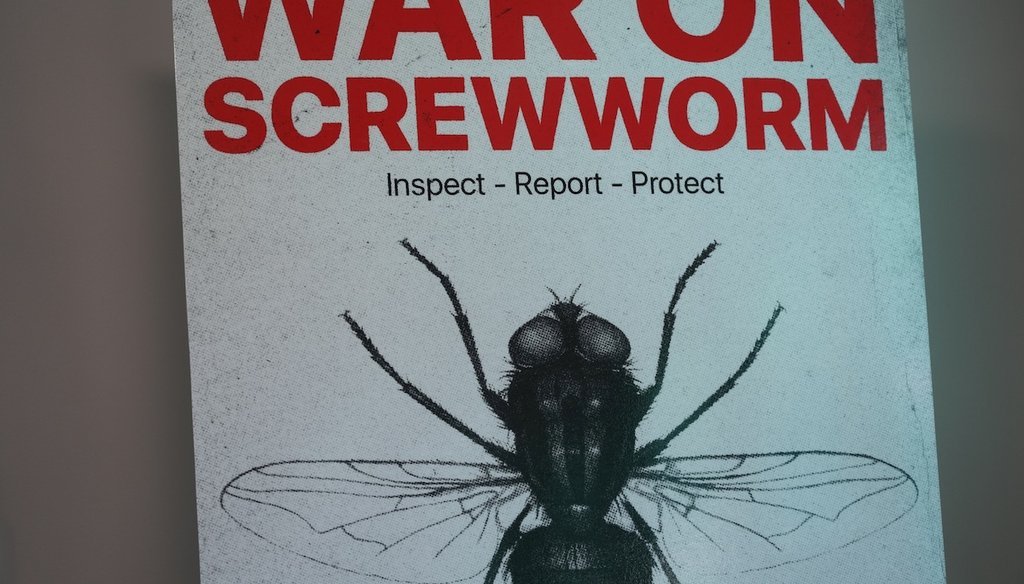
Screwworm — a harmful parasite once largely eradicated with the help of a successful sterile insect program — is back. Multiple reported U.S. cases have drawn news coverage, as has a request from researchers with Google’s Debug project asking to release millions of mosquitoes in Florida and California.
The concept raises questions: How does it work? Is it typically successful? Is it ecologically safe? Here’s what scientists want you to know.
How the sterile insect technique works
Let’s take the New World screwworm and the Aedes aegypti mosquito — two insect populations in the news.
Screwworm infestations are most common among livestock, but they can occur in humans and pets. The parasites lay eggs in warm-blooded animals’ open wounds or orifices, including the eyes, noses and mouths. After hatching, screwworm larvae burrow into skin and eat live flesh for about five to seven days, before falling off their host and burrowing underground to mature into adult flies. Left untreated, infestations can be deadly.
Aedes aegypti mosquitoes spread infectious diseases including dengue, chikungunya, yellow fever and Zika. Google’s Debug project, launched in 2016 to slow mosquito-borne disease spread, estimates 40% of people on Earth are at risk of contracting a disease spread by this species of mosquito, which is invasive outside of Africa. That’s in line with figures from the U.S. Centers for Disease Control and Prevention and the World Mosquito Program, which also hopes to reduce infectious disease spread by introducing wolbachia bacteria to weaken local mosquitoes’ ability to transmit diseases.
To thwart screwworm infestations, researchers typically raise a large group of screwworm flies and then expose the males to enough radiation to render them infertile, but not so much that it kills or hinders their ability to mate. These sterilized flies are released into an area with a screwworm infestation. When wild female screwworm flies mate with the sterilized males, the resulting eggs will never hatch.
Meanwhile, Google says it is testing ways to raise sterile male mosquitoes. One method includes using mosquitoes infected with wolbachia, a bacteria that prevents them from successfully breeding with wild mosquitoes. It’s different from the sterile insect technique’s typical radiation sterilization, but the result is the same: Mosquitoes that can’t produce viable offspring. The result is the same as radiation sterilization: Mosquitoes that can’t produce viable offspring. Google wants to then release millions of sterilized males so that when wild females mate with them, their eggs won’t hatch — just like the screwworms. The goal is to reduce each successive generation’s size as more sterilized males are released.
It can be difficult to raise mosquitoes in the massive quantities needed to actually decrease overall populations. They’re fragile, but Google says it is developing new technology to make that easier.
Is this an effective way to manage harmful pests or disease-spreading insects?
History and research show that it can be.
We’ve successfully combated agriculture pests such as screwworm for decades using sterile insects, said Greg Simmons, a retired entomologist in the U.S. Department of Agriculture’s Animal and Plant Health Inspection Service.
The technique was first developed in the U.S., and North America is among six continents that have successfully used radiation-induced sterile insects for more than 60 years. Scientists began studying the method in the 1930s and it was first widely used against screwworms in the late 1950s.
Sterile insects are also used to fight certain crop-damaging fruit flies, a method “so significant that it is now considered the cornerstone of fruit fly suppression programs,” said one 2025 study published in the entomology journal Insect Science.
It has successfully helped combat disease, too. Senegal used it to suppress tsetse fly populations, which can transmit trypanosomiasis, which can kill livestock.
When it comes to mosquitoes, wolbachia-infected mosquitoes have also shown promise. A 2026 New England Journal of Medicine study, for example, found that repeated releases of wolbachia-infected sterile male mosquitoes in Singapore reduced wild mosquito populations and ultimately reduced dengue risk.
Sterile mosquitoes have also been used to drive down populations in China, Singapore and Mexico, said Eric Caragata, a professor at the Florida Medical Entomology Laboratory at the University of Florida. In the United States, the technique has been used in some previous efforts, and Google is hoping to build on that.
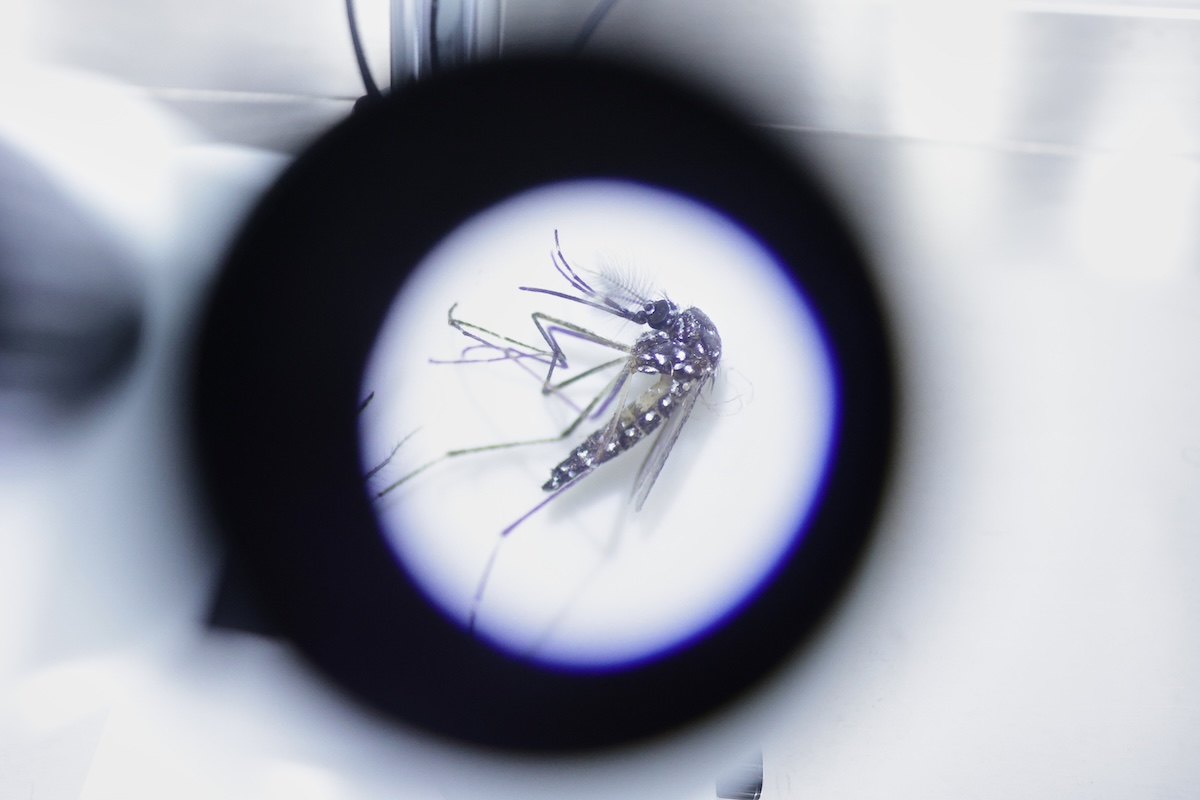
An Aedes aegypti mosquito carrying the wolbachia bacteria is seen through a microscope at the Oxitec facility during a press tour, in Campinas, Sao Paulo state, Oct. 1, 2025. (AP)
What are the limitations of this approach?
The technique is not highly useful against all insect populations, experts said.
Researchers need to be able to rear insects at a large scale and, in some cases, separate males from females. The larger an overall insect population is, the more sterilized males will be needed to drive down the population, Caragata said.
That can be expensive, and some insects don’t thrive if they’re reared in bug factories on artificial diets or if their biology isn’t well suited to certain methods of sterilization such as being exposed to radiation.
A sterile insect release program is also unlikely to be a one-and-done solution. The insect population can recover over time, like we’re seeing now with screwworms.
If researchers are releasing more adult insects, they also don’t want to risk increasing the spread of the problem or pathogen. In that way, mosquitoes are good candidates because male mosquitoes do not blood feed or bite humans, which is what spreads disease. Similarly, it’s the larval screwworms, not the adult flies, that pose the problem to livestock and other animals.
Screwworm and mosquito females typically mate just once, meaning a targeted release of sterile males can have a greater impact than it might with other insects.
Releasing sterilized insects works only as part of a multi-pronged approach, Simmons said. When industry and government officials in the U.S. and Mexico were working to stop occasional screwworm infestation outbreaks in the 1970s, they used sterilized releases alongside other tactics.
Simmons described “armies” of workers educating everyone from big ranchers to people in small villages about how the screwworm could impact their cattle herd or their family’s cow.
“They would teach people about screwworm, they would treat animals with wound treatments,” he said. “It wasn’t just sterile insects.”
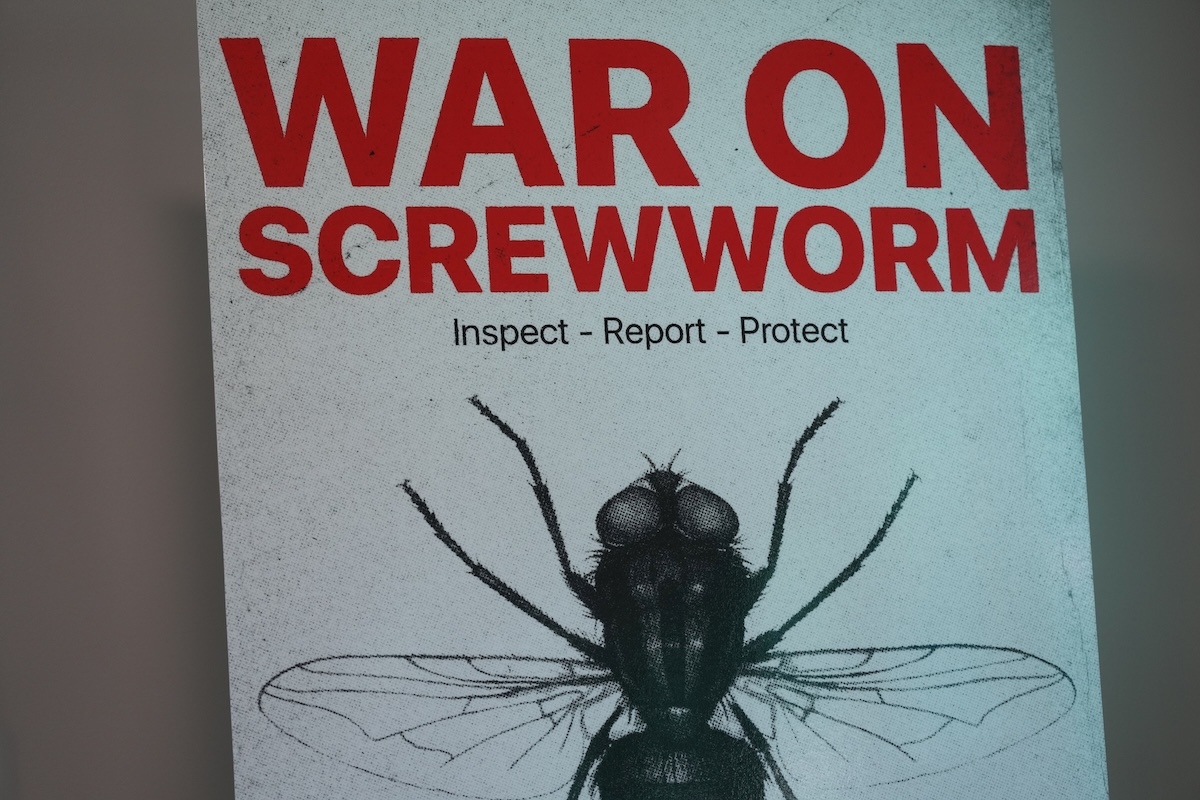
Signage is seen as U.S. Agriculture Secretary Brooke Rollins prepares to hold a news conference with ranchers, researchers and officials at the Knipling-Bushland U.S. Livestock Insects Research Laboratory in Kerrville, Texas, June 8, 2026. (AP)
Are there ecological ramifications?
Aedes aegypti mosquitoes are invasive to Florida and California, where Google has proposed releasing its millions of Wolbachia mosquitoes.
“There is no clear evidence of any ecological impacts,” Caragata said.
As invasive species, the aedes mosquitoes “are not naturally part of the food chain,” and there’s also no evidence that any natural predators that eat mosquitoes rely on them as an exclusive food source, he said.
PolitiFact Researcher Caryn Baird contributed to this report.
RELATED: Yes, a deadly flesh-eating worm was found in the US. No, you shouldn’t panic about screwworms
[ad_2]
Source link
