
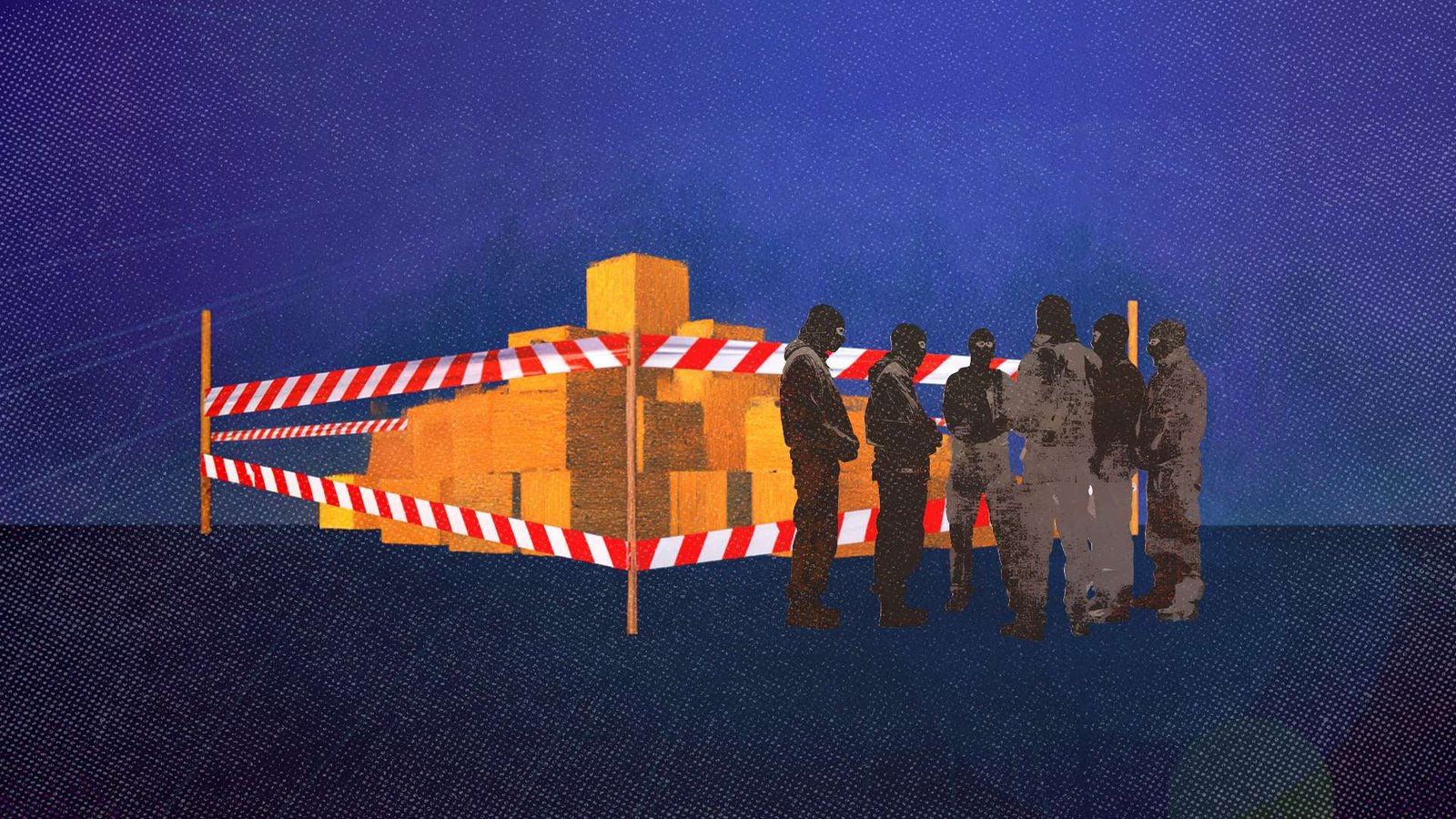
Right now, tens of thousands of Americans with end-stage kidney disease spend years waiting for a viable transplant, which are rare and mostly come from deceased organ donors or patients’ family members. But “there’s not really a shortage” of kidneys, Nobel laureate economist Alvin Roth told Reason‘s Nick Gillespie in a recent interview. “You have two. You only need one. There’s a failure of price mechanisms.”
If those in need of kidneys could buy the extra ones out of everyone else, interminable waitlists—and the associated deaths—would soon disappear. But they can’t, because the kidney trade is taboo and banned in the United States. It’s an example of what Roth calls a “repugnant market…which is made up of repugnant transactions,” exchanges “that some people would like to engage in, and other people who aren’t obviously harmed by [them] think they shouldn’t be allowed to.”
When those “who aren’t obviously harmed” get their way, governments intervene to shut down the market.
And once you’re looking for them, you can see repugnant markets everywhere. Gambling is one that has been the source of some controversy lately: Last Monday, Gov. Tim Walz (D–Minn.) signed a bill banning prediction markets like Kalshi and Polymarket in his state. Anyone caught hosting, advertising, or assisting in the operation of a prediction market could be charged with a felony under the new law.
While the law’s proponents might argue that gambling is a vice and an addiction that can destroy lives, efforts to shut down repugnant markets through bans often have unintended consequences. In the case of Minnesota, that might look like a former Polymarket user placing bets with a less-than-trustworthy, less-than-entirely-pacifistic bookie instead.
The war on drugs is another, perhaps more extreme, example. “I’d love to eliminate heroin entirely,” says Roth, “I’m happy to concede that heroin is immoral.” But after decades of harsh criminalization, expansive state power, and civil liberties violations, use of the drug continues, enabled by a violent black market. “There’s a lot of heroin. There’s a lot of overdose deaths. There’s lots of disruption of communities. There’s lost human welfare,” says Roth.
Banning the kidney trade results in “lost human welfare,” too. So how can we recover that welfare?
To legitimize a repugnant market requires not only legal support, says Roth, but broad “social support” as well, both to maintain its legal backing and to ensure the market has enough participants to operate. “Like a lot of things,” he says, the consensus-building process “moves slowly.”
But it’s certainly been done before: Social support for some forbidden practices has risen dramatically in recent years. For instance, gay marriage, once outlawed across the country, had favorability under 30 percent even into the 1990s. Today, it’s legal and recognized everywhere in the U.S., and Americans are broadly in favor—now, fewer than 30 percent stand in opposition, according to Gallup.
And the process is often helped along by new technologies: Abortion pills, for instance, have done a great deal to brighten the landscape for women in red states following Dobbs v. Jackson Women’s Health Organization.
While the state still limits many freedoms and cracks down on repugnant markets of all kinds, notable progress is being made in some areas. The march toward freeing repugnant markets tends to be long and grueling—but freedom can arrive “quickly at the end,” says Roth.
