
[ad_1]
The intelligence communities of all nations are marked by amateur blunders, misadventures, or clownishness yielding nothing of intelligence value. China’s spying on the United States is exemplary. A front page story in the May 11, 2026 issue of the New York Times disclosed a Chinese overture to pay modest sums to a staff member of the House Select Committee on Strategic Competition Between the United States and the Chinese Communist Party to share information or conjectures commonplace among reporters or scholars in the field.
Among other things, the Chinese spy sought the Trump administration’s plans for post-Maduro Venezuela. But any follower of President Trump’s nocturnal tweets knows, there are no plans. There are only daily, spasmodic improvisations as baffling as surprise O. Henry short story endings. Nobody knows who runs Venezuela. President Donald Trump has said that the United States is in control until he decides whether to hold elections at some indefinite time. But Trump is mainly a figurehead in Venezuela like King Charles III in Great Britain. Investment is paralyzed because nobody knows the rules of the game or the protection of private property. The vast Venezuelan diaspora has remained abroad clueless about Venezuela’s political future.
China also wasted money on spies in the offices of New York City Mayor Eric Adams and New York Governor Kathy Hochul, as if the two had any influence over United States foreign policy.
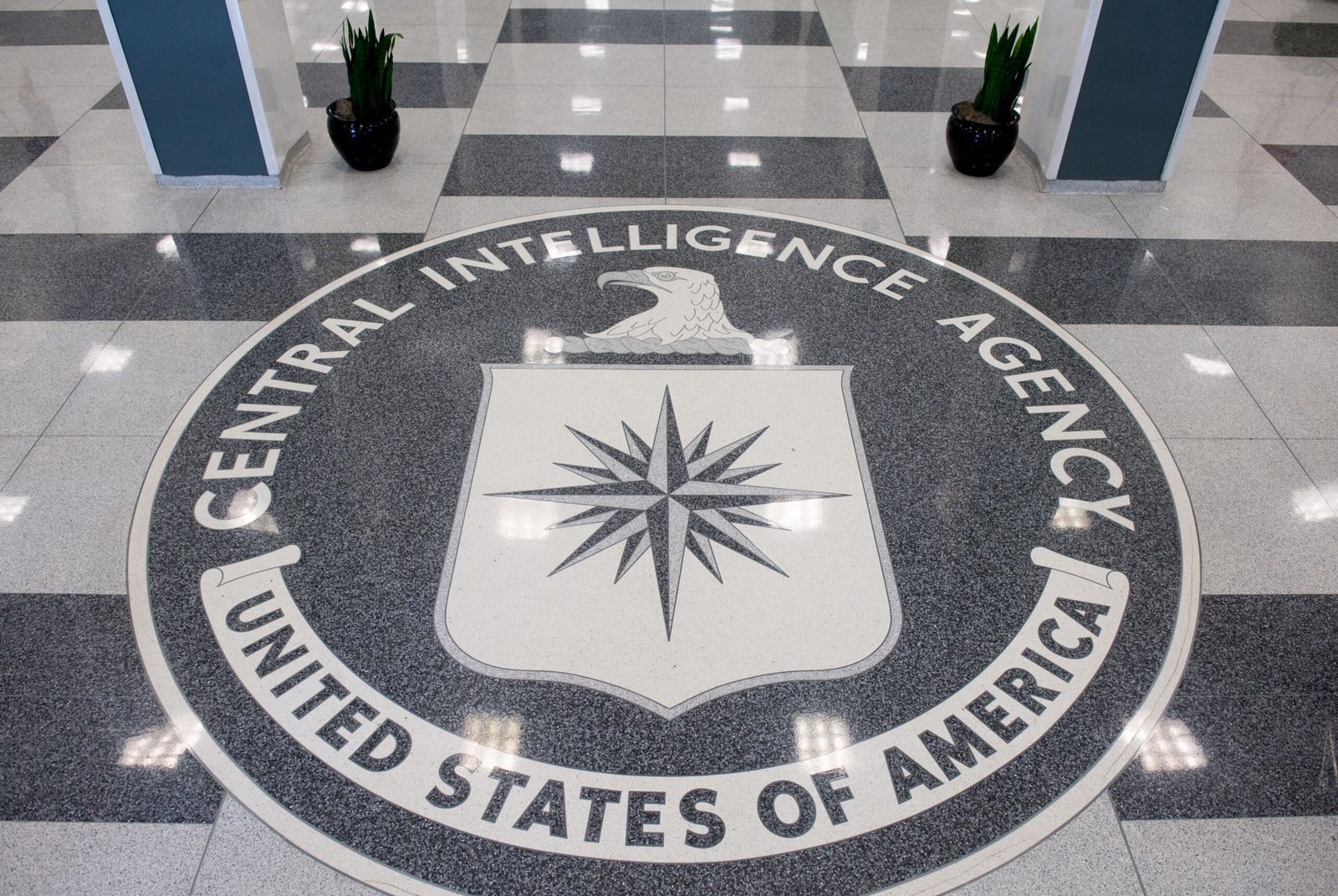
Amateur hour is similarly endemic to the United States intelligence community. Informants are characteristically presumed to be infallible about politics in their home countries without much cross-examination or track record of prognostication accuracy. The presumption is absurd. Politics is freakish and flukish even to insiders. Remember the infamous 1948 headline in the Chicago Daily Tribune, “Dewey Defeats Truman.” Donald Trump’s victory over Hillary Clinton in 2016 was a political shocker. The CIA often stupidly believes whatever a foreign informant says about the politics of their own country is gospel without properly vetting them or considering potential ulterior motives. Intelligence blunders are born of such folly.
Subscribe Today
Get daily emails in your inbox
The tip of the iceberg is Iraq’s Ahmed Chalabi. As leader of the Iraqi National Congress (INC), Chalabi pushed the twin falsehoods that Iraq’s President Saddam Hussein possessed weapons of mass destruction (WMD) and had ties to Al Qaeda, predicates for the calamitous 2003 invasion that turned Iraq into a satellite of Iran costing the United States billions of dollars. False assessments of Fidel Castro’s popularity from Cuban exiles gave birth to the CIA’s 1961 Bay of Pigs disaster which perversely strengthened his hold on power.
Foreign dissidents are notorious for vastly exaggerating the political vulnerability of their enemies and their own popular support. Yet the CIA often continues to take their fabrications or rosy projections at face value. Why the naivete and chronic misjudgments of informant reliability? First, CIA intelligence officers are not sufficiently trained to suspect their ulterior motives or unschooled assessments of the political landscape in their respective countries. The words of a taxi driver from Afghanistan, for instance, may be taken as definitive as the force of gravity. The stupidity is seldom exposed (because it is classified) and shielded from vetting by outside sources. Moreover, there is no professional incentive to doubt an informant’s word. Intelligence officers are frequently promoted within the CIA based largely on the number of putative reliable informants recruited and the volume of information they provide, no matter how flawed. Every intelligence agency in the world suffers from similar infirmity, incompetence, and amateurism.
Spy stories make for great entertainment and theater. They inflate dangers by many orders of magnitude to justify lavish spending on spy agencies. But the return on investment is often negative, like investing in pyrite. Only secrecy prevents exposure of the heavily subsidized intellectual fraud of the intelligence community.
[ad_2]
Source link
